
Who Are the Top Windows and Patio Doors Suppliers in China?
Choosing a supplier for windows and patio doors involves more than comparing catalog photos or factory prices. A well-made sliding door should move smoothly, seal evenly, and withstand repeated use. Frame material, glass specification, drainage design, and hardware all affect long-term performance. Small details matter.
The phrase “top suppliers” deserves careful attention. A large factory is not automatically the right partner, and online claims can be difficult to verify. Buyers should request current product specifications, quality-control records, project references, and clear details about warranties and delivery schedules. Where possible, inspect a sample or arrange an independent factory audit. Ask how the supplier handles custom dimensions, packaging, and replacement parts, too.
This guide examines prominent Chinese manufacturers and the practical questions that help distinguish a capable supplier from a risky choice. It considers product range, manufacturing experience, export support, and evidence of consistent quality, rather than treating popularity as proof. Standards and project requirements vary by destination, so confirm that proposed products suit the intended building and climate. Even a thorough review has limits: public information may be incomplete, and performance depends on installation as well as manufacture. Use the comparisons as a starting point, then verify each claim directly before making a purchasing decision.
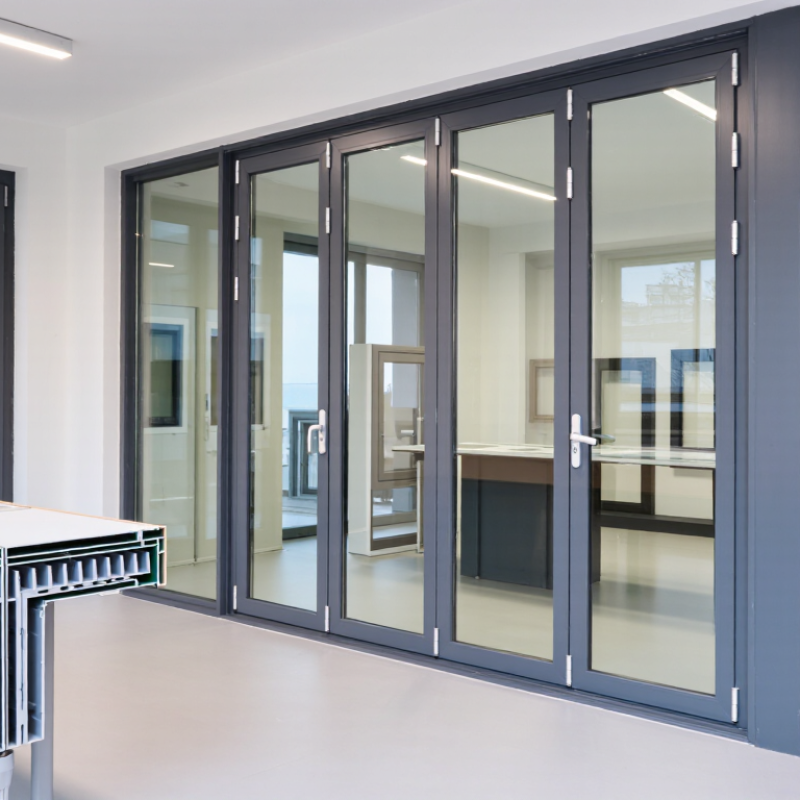
China’s Windows and Patio Doors Industry at a Glance
China’s windows and patio doors industry serves a wide range of projects, from apartment renovations to large commercial buildings. Manufacturers work with aluminum, uPVC, timber, and mixed-material frames. Product choices often depend on climate, building design, budget, and required insulation. Coastal production clusters support access to components and shipping, while suppliers differ in how much they customize each order. The market is not one uniform factory floor. That matters.
When comparing suppliers, look beyond product photos and headline prices. Ask for frame and glass specifications, hardware details, test documentation, and clear installation guidance. Check how a supplier handles measurements, packaging, replacement parts, and communication after delivery. These details can shape how a door slides and seals after months of daily use. A patio door may look impressive in a showroom, yet perform differently in a windy or humid home. This is harder to judge than brochures suggest. A careful comparison should weigh documented performance and project fit, not just output capacity or a polished catalog.
Who Are the Top Windows and Patio Doors Suppliers in China? - China’s Windows and Patio Doors Industry at a Glance
| Industry Dimension | Common Product or Practice | What Buyers Should Check |
|---|---|---|
| Product categories | Residential and commercial windows; sliding, hinged, folding, and lift-and-slide patio doors. | Confirm the opening style, dimensions, installation conditions, and intended use before comparing quotations. |
| Frame materials | Aluminum alloy, uPVC, timber, and combinations such as aluminum-clad timber are used in window and door systems. | Compare structural design, finish, maintenance requirements, and suitability for the project environment. |
| Glazing | Options include single, double, or triple glazing; insulated glass units can incorporate Low-E coatings or gas-filled cavities. | Check the glass build-up, safety requirements, spacer details, and documented thermal or acoustic performance. |
| Thermal performance | Frame design, glass selection, seals, and installation all affect the thermal performance of the complete unit. | Request performance data for the specified assembly; glass-only figures do not describe the whole window or door. |
| Weather resistance | Seals, drainage paths, joints, and installation details help manage air leakage and water exposure. | Ask for test reports or project specifications covering air permeability, water tightness, and wind-load resistance. |
| Hardware and operation | Systems may use hinges, rollers, locks, handles, and multipoint locking components suited to the opening type. | Confirm hardware compatibility, corrosion resistance, operating cycle requirements, and replacement availability. |
| Surface finishes | Aluminum products may use powder coating or anodizing; other frame materials have their own coating or finishing systems. | Specify color, finish, exposure conditions, and any required finish-quality documentation. |
| Customization | Manufacturers commonly configure products to project dimensions, colors, glazing choices, and opening arrangements. | Approve shop drawings and samples, and verify tolerances and interface details before production. |
| Quality control | Production checks can cover profiles, dimensions, glass, hardware, assembly, and finished-product operation. | Agree on inspection criteria, sampling, packaging, and pre-shipment inspection arrangements in the purchase contract. |
| Standards and documentation | Applicable requirements depend on the destination market, building type, product configuration, and project specification. | Identify required local codes, test methods, certificates, and labeling before ordering; confirm that documents match the supplied configuration. |
| Delivery and installation | Large glazed units require appropriate packing, handling, transport planning, and coordinated site installation. | Clarify packaging, delivery terms, installation scope, site measurements, warranty coverage, and after-sales responsibilities. |
Product configurations and performance vary by system and project. Compare suppliers using the same drawings, specifications, test requirements, and delivery scope.
Related Posts
-
Why Choose Patio Doors With Windows for Your Home?
-
Top Patio Doors with Windows for Global Buyers
-
How to Choose the Best Front Entry Doors for Your Home?
-

2026 Best Aluminum Clad Wood Windows for Global Buyers?
-
What Are the Top Types of Aluminum Doors?
-
Top 10 Benefits of Using Aluminum Windows for Your Home