How to Choose the Best Front Entry Doors for Your Home?
Choosing the right front entry doors is crucial for your home's first impression. Data shows that approximately 70% of homeowners prioritize aesthetics when selecting doors. This makes sense, as your front entry door reflects your style and enhances curb appeal. High-quality doors also offer security and energy efficiency.
A report by the National Association of Realtors found that replacing your front entry door can yield a return on investment exceeding 70%. Still, many homeowners overlook the importance of material, style, and insulation. Options range from classic wood to modern fiberglass, each with unique benefits. Researching these options is essential before making a decision.
Many homeowners may feel overwhelmed by choices. It's easy to rush the process. Reflect on how each door aligns with your home's overall design. Consider practicality and long-term value. Ultimately, your front entry door should combine beauty with functionality, tailored to your specific needs.
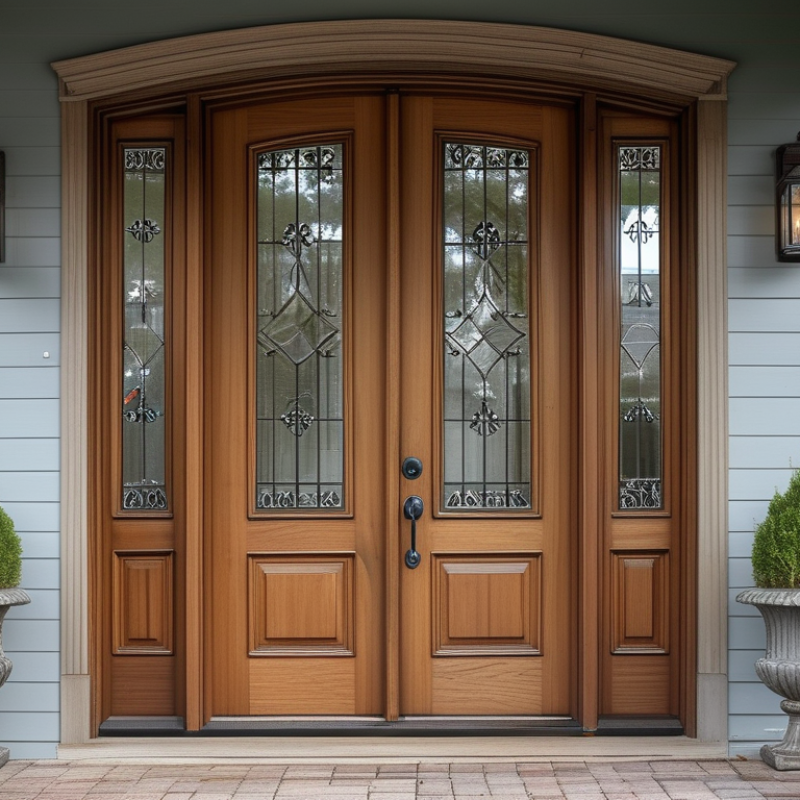
Types of Front Entry Doors: Material Options and Their Benefits
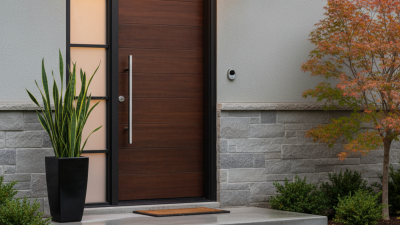
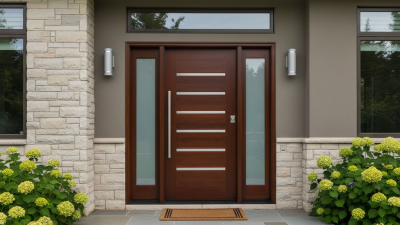
Choosing the right front entry door is crucial for your home’s aesthetic and security. Different materials offer unique benefits that can cater to your needs and style preferences. Wood, for example, provides a classic look and can be customized easily. However, it may require regular maintenance to prevent warping or rotting over time.
Steel doors are known for their strength and security features. They are also energy efficient, helping to maintain comfortable indoor temperatures. However, they can be prone to dents and may need repainting if scratched. Fiberglass doors are another popular choice. They mimic the appearance of wood but require less maintenance and are more resistant to weather conditions.
Each material has its pros and cons. Think about your climate, your personal style, and the amount of upkeep you’re willing to manage. Don't rush this decision; it's worth investing time in finding the right fit for your home. A door is more than just an entry point; it's part of your home’s identity.
Types of Front Entry Door Materials and Their Benefits
Key Features to Consider When Selecting a Front Entry Door
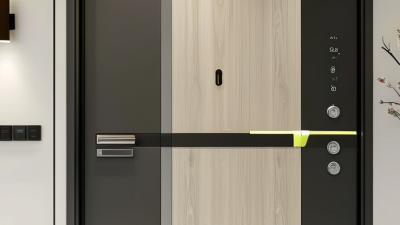
Choosing the best front entry door for your home involves several important features. Security is the top priority. A solid core door offers better protection than hollow options. Look for deadbolts and high-quality locks. Consult with a locksmith for advice on the best locking mechanisms available.
Energy efficiency is another factor. Insulated doors help maintain a comfortable temperature indoors. This not only saves energy but also reduces utility bills. For maximum insulation, consider doors with a high Energy Star rating. Remember to check the U-value and R-value specifications when evaluating options.
Aesthetic appeal shouldn’t be overlooked. The door should complement your home's style. Whether it's modern or traditional, the right door enhances curb appeal. Reflect on the color and finish that harmonizes with your exterior design. Different textures can create distinct impressions. Don't hesitate to mix materials for a unique look. Balancing security, efficiency, and style can be challenging but rewarding.
Aesthetic Factors: Choosing a Door that Matches Your Home's Style
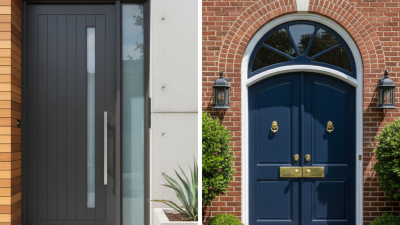
Choosing the right front entry door can significantly enhance your home's curb appeal. Aesthetic factors play an essential role in this decision. Consider your home's architectural style. A contemporary home might benefit from sleek, minimalist designs. Conversely, a traditional home may look best with a classic wooden door that features intricate carvings.
Color also matters. A bold, vibrant hue can make a statement, while subtle tones may create a sense of harmony with your surroundings. Think about the materials too. Steel doors offer modern durability, while fiberglass can mimic wood's warmth without the maintenance. Each choice impacts not just the look but also the feel of your home.
Some homeowners struggle with choosing the right style. There’s often a disconnect between the door's design and the rest of the house. Taking time to reflect on this can lead to better choices. Consult local architectural styles for inspiration. Explore your neighborhood. Notice how different doors enhance or detract from overall beauty. Sometimes, the perfect door isn’t the most popular choice, but the one that truly resonates with you.
Energy Efficiency: Insulation and Weather Resistance in Door Selection
When selecting front entry doors, energy efficiency is crucial. Insulation and weather resistance play significant roles. A well-insulated door helps to maintain your home's temperature. This means reduced energy bills and increased comfort year-round.
Consider door materials carefully. Solid wood, fiberglass, and steel provide good insulation. However, each material has its strengths and weaknesses. For instance, while wood can be beautiful, it may require more maintenance. Fiberglass doors are durable but can vary in performance.
Don't overlook the weather stripping. Quality weather resistance components can prevent drafts. Look for doors with tight seals to enhance energy efficiency. An imperfect seal can lead to energy loss, potentially increasing your utility costs. Take time to evaluate each option thoroughly. This approach can lead to better choices.
Security Features: Ensuring Your Front Entry Door Protects Your Home
When selecting the best front entry doors, security must be a primary focus. A door serves as the first line of defense against intruders. According to a 2021 survey by the Bureau of Justice Statistics, approximately 2.5 million home burglaries occur in the U.S. each year. Installing a sturdy door with adequate security features can significantly reduce this risk.
Consider doors made from solid materials, such as steel or reinforced fiberglass. These materials tend to withstand force better than traditional wooden doors. In fact, a study conducted by the National Association of Home Builders found that doors made from fiberglass or steel can deter up to 80% of attempted break-ins. Look for doors equipped with high-quality deadbolt locks, as they are significantly more secure than standard spring bolt locks. Additional features like reinforced frames and impact-resistant glass can bolster your home’s security further.
However, many homeowners often overlook other factors. For instance, proper installation is crucial; a poorly fitted door can become an easy target. Moreover, maintaining door hardware is essential. Regularly check the locking mechanisms and hinges for signs of wear. Neglecting these details can undermine even the most advanced security features, leaving your home vulnerable. Remember, a door is not just an entry point; it’s a significant security asset that requires thoughtful selection and ongoing attention.