
What Are the Top Types of Aluminum Doors?
Choosing the right aluminum doors begins with understanding how each design performs in real spaces. A slim sliding door can open a room toward a garden, while a hinged entry door may provide a stronger sense of arrival. Bifold systems create wide openings, but their hardware needs careful alignment and regular maintenance. French-style aluminum doors offer symmetry and daylight, although their central meeting point can reduce usable clearance.
Performance matters as much as appearance. Experienced installers examine frame depth, thermal breaks, glass specifications, drainage, and local weather exposure before recommending a system. Coastal homes may require durable powder coatings and corrosion-resistant hardware. Busy commercial entrances often need reinforced frames, reliable closers, and accessible thresholds. These details are easy to overlook.
Not every door suits every building.
This guide compares the top types of aluminum doors through practical strengths, limitations, and typical applications. It considers ventilation, security, energy performance, maintenance, and installation complexity rather than relying on appearance alone. A well-made door should close smoothly, remain stable, and protect the interior from drafts and rain. Still, product quality varies widely between manufacturers, and published performance figures deserve careful verification. Professional measurements remain essential, because a beautiful door can perform poorly when the opening is uneven or incorrectly prepared.
The best choice depends on the building, budget, and daily use. Careful comparison prevents expensive disappointment.
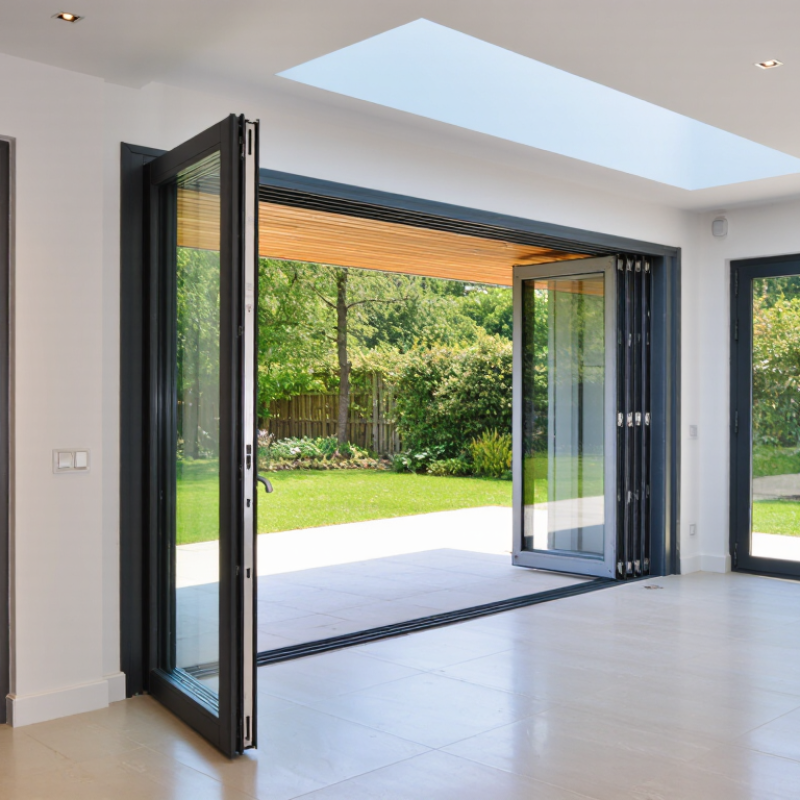
Aluminum Doors: Definition, Structure, and Key Features
Aluminum doors are entrance or interior door systems built with lightweight, corrosion-resistant aluminum frames. Their structure usually includes extruded profiles, glass or solid panels, hinges, rollers, seals, and locking hardware. The frame carries the load, while thermal breaks can reduce heat transfer through the metal.
Common types include hinged, sliding, folding, and pivot aluminum doors. Hinged doors suit homes and offices with traditional openings. Sliding doors save floor space and provide wide views through glass panels. Folding doors create larger openings, although their tracks need careful alignment. Pivot doors offer a bold appearance, but they require strong floor and head support. In practical installation work, small measurement errors often cause noticeable gaps or difficult movement. No door is perfect.
Tips: Check wall dimensions before ordering. Choose double glazing for better insulation. Inspect drainage paths around exterior frames. Ask installers how seals and rollers will be replaced. A smooth finish matters, but hardware quality often determines daily comfort. Also, darker frames may become hotter in direct sunlight. This detail is easy to overlook. Regular cleaning prevents grit from damaging tracks and seals. For coastal buildings, select suitable surface protection and schedule more frequent inspections.
What Are the Top Types of Aluminum Doors? — Aluminum Doors: Definition, Structure, and Key Features
| Door Type | Definition and Operation | Typical Structure | Key Features | Common Applications | Main Advantages | Important Considerations |
|---|---|---|---|---|---|---|
| Sliding Aluminum Doors | One or more panels move horizontally along tracks instead of swinging into the room. | Aluminum frame, rollers, guide tracks, glazing panels, interlocks, and locking hardware. | Space-saving operation; large glass areas; configurations may include two, three, or more panels. | Patios, balconies, terraces, living rooms, offices, and storefronts. | Does not require swing clearance and can create wide views and access openings. | Tracks need regular cleaning; the opening is limited by the number of sliding panels and the fixed sections. |
| Hinged Aluminum Doors | A door leaf rotates on hinges attached to a side jamb and usually opens inward or outward. | Aluminum stiles and rails, hinges, lockset, weather seals, threshold, and glass or panel infill. | Available as single or double doors; supports many hardware and glazing options. | Main entrances, balconies, interior partitions, offices, and residential rooms. | Simple operation, direct access, and generally effective perimeter sealing when correctly installed. | Requires sufficient clearance for the door leaf and careful alignment of hinges and locks. |
| Folding or Bi-Fold Aluminum Doors | Several connected panels fold and stack to one or both sides of an opening. | Linked aluminum-framed panels, top or bottom rollers, hinges, tracks, seals, and locking hardware. | Large clear opening; multiple folding leaves; inward- or outward-opening layouts are possible. | Outdoor dining areas, garden rooms, patios, hospitality spaces, and wide commercial openings. | Connects indoor and outdoor areas and provides a wider opening than most conventional hinged doors. | More moving parts require accurate installation, regular adjustment, and cleaning of tracks and hardware. |
| French Aluminum Doors | A pair of hinged doors opens from the center, often with glazed leaves. | Two aluminum-framed leaves, center meeting stile, hinges, handles, locks, and glazing or panels. | Symmetrical appearance; can provide a broad passage; available with active and inactive leaves. | Balconies, dining rooms, offices, gardens, and formal interior or exterior entrances. | Improves daylight and ventilation potential while offering a balanced architectural appearance. | Needs swing space on both leaves; the meeting stile and seals must be properly aligned. |
| Pivot Aluminum Doors | The door rotates around pivot hardware positioned at the top and bottom, rather than conventional side hinges. | Large framed or partially glazed leaf, floor and overhead pivots, pivot box, seals, handle, and lock. | Suitable for tall or wide leaves; can produce a strong architectural focal point. | Modern residential entrances, galleries, offices, hotels, and high-end commercial interiors. | Supports distinctive designs and large door leaves with smooth, controlled movement. | Requires precise structural support and floor preparation; the swing path can be different from a hinged door. |
| Automatic Aluminum Doors | A powered operator opens and closes a sliding, swinging, or telescopic door after receiving a sensor or access-control signal. | Aluminum door frame, powered operator, sensors, control unit, safety devices, guide system, and locking components. | Hands-free access; can integrate with push plates, card readers, motion sensors, and emergency systems. | Retail entrances, hospitals, airports, offices, public buildings, and accessible routes. | Improves convenience, traffic flow, and accessibility when designed and maintained correctly. | Needs a reliable power supply, safety testing, periodic servicing, and compliance with applicable local regulations. |
| Thermally Broken Aluminum Doors | An aluminum door system containing a low-conductivity insulating barrier between the interior and exterior metal sections. | Aluminum profiles separated by a polyamide or similar thermal isolator, plus seals, glazing, hardware, and threshold. | Reduces direct heat transfer through the frame and helps limit interior-surface condensation risk. | Energy-conscious homes, offices, schools, apartments, and buildings in hot or cold climates. | Better thermal performance than non-thermally broken aluminum framing, especially when paired with suitable glazing. | Usually costs more and performance depends on the complete door assembly, glazing, seals, installation, and local climate. |
| Fire-Rated Aluminum Doors | A tested and certified door assembly designed to resist the spread of fire for a specified period under defined conditions. | Fire-rated frame, approved infill or glazing, intumescent seals, compatible hardware, and compliant anchoring details. | Performance is based on the complete tested assembly, not the aluminum material alone. | Stairwells, corridors, plant rooms, public buildings, commercial properties, and required fire compartments. | Can combine regulated fire protection with the corrosion resistance and design flexibility of aluminum systems. | Must match the required fire rating and be installed with approved components; field modifications can invalidate certification. |
Related Posts
-
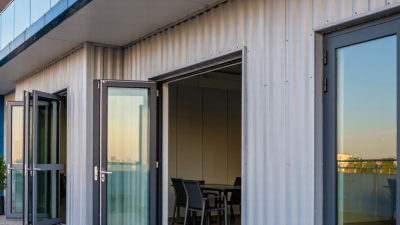
2026 Best Types of Aluminum Doors for Global Buyers
-
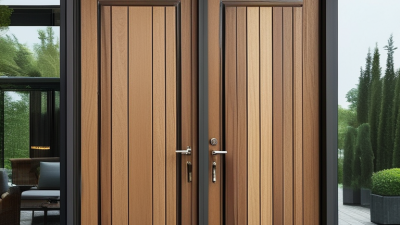
Best Aluminum Clad Doors for Global Buyers in 2026?
-
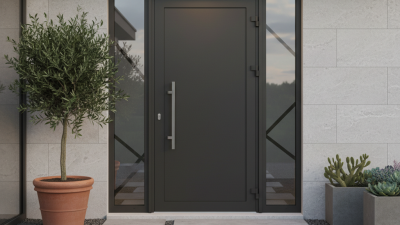
Why Choose Aluminum Doors for Your Home Security and Style?
-

2026 Top Trends in Aluminum Doors for Modern Homes and Businesses?
-
How to Choose the Best Sliding Doors for Your Space?
-
How to Choose the Right Sliding Doors?