Login

Skyview  >  Login

Why Choose Patio Doors With Windows for Your Home?

Why Choose Patio Doors With Windows for Your Home?

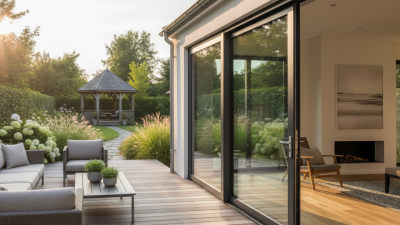
Patio doors with windows can change how a room feels within minutes. Morning light reaches the sofa. The garden becomes part of the daily view. Even a narrow dining area may appear more open.

Fenestration specialist Mark McCoy explains, “Good patio doors should connect rooms to nature without sacrificing comfort or privacy.” His point is practical. Large glass panels can brighten a dark interior, but they must perform well. Look for insulated glazing, low-emissivity coatings, and durable weather seals. These details help reduce drafts beside the threshold. They also support steadier indoor temperatures during hot afternoons and cold nights.

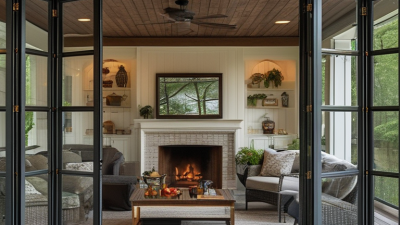
The door style matters, too. Sliding models save floor space. French designs create a wider, more traditional opening. Folding systems can produce a dramatic connection to the terrace, although their hardware may require more care. That trade-off deserves honest consideration.

Imagine standing barefoot on cool tile near the glass. You should notice the view first, not a cold draft. A secure lock, smooth rollers, and a low-maintenance frame matter every day. Vinyl may simplify upkeep, while aluminum offers slim sightlines and a modern appearance. Wood feels warmer, but it needs regular protection.

There is no perfect choice. Oversized glass can also reveal clutter, glare, or fingerprints. I sometimes think homeowners focus too heavily on appearance. A beautiful door that leaks air will quickly lose its charm. The right patio doors with windows balance daylight, access, security, insulation, and the way your household actually lives.
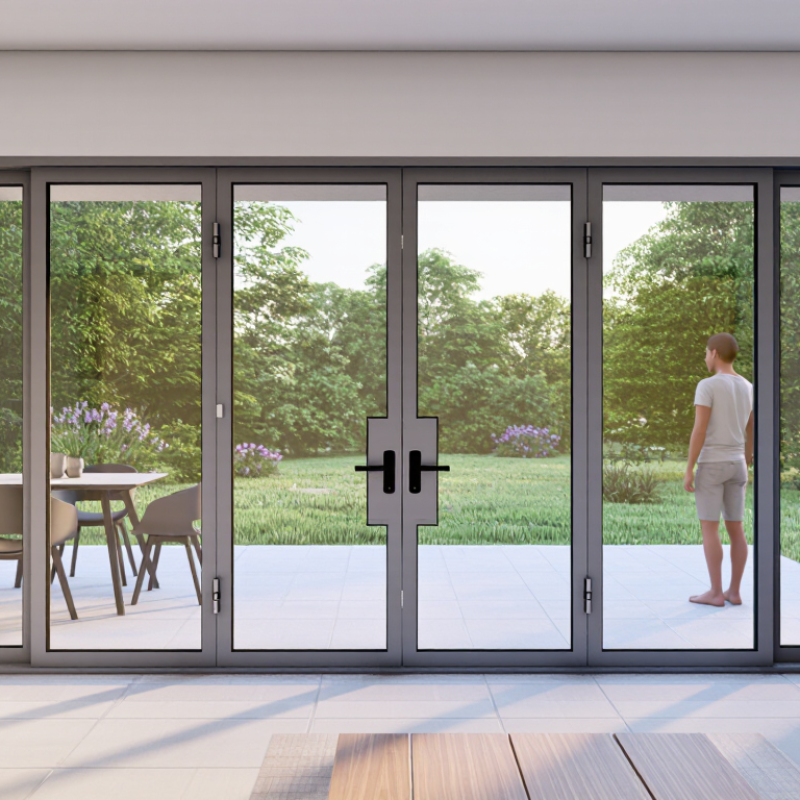
Why Choose Patio Doors With Windows for Your Home?

What Are Patio Doors With Windows?

Patio doors with windows are exterior doors designed to connect indoor rooms with a patio, deck, or garden. Their large glass panels allow daylight to enter while giving occupants a clear outdoor view. Unlike a small window, the entire unit provides a practical passage for people, furniture, and fresh air.

Common designs include sliding doors, hinged French-style doors, and folding panels. Sliding doors move along a track, which saves space in compact rooms. Hinged doors open like traditional entry doors and may provide a wider opening. Each unit usually includes insulated glass, a frame, weather seals, a locking system, and a threshold that helps prevent water from entering.

During home improvement projects, accurate measurements matter more than attractive pictures. The wall opening, floor level, drainage, and surrounding trim must all be checked before installation. Low-emissivity glass can reduce heat transfer, while laminated or tempered glass can improve safety. However, patio doors with windows are not automatically the best choice. Large glass areas may increase glare, heat gain, cleaning work, and privacy concerns. I would also inspect the track after heavy rain, because small debris can affect smooth operation. The view is appealing, but performance depends on careful installation and regular maintenance.

How Do Patio Door Windows Improve Natural Light and Views?

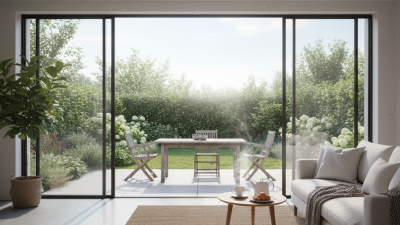
Patio doors with windows can change how a room feels during ordinary daylight. In practical home assessments, clear glass often brings more useful light than a small wall window. Sunlight reaches the floor, pale rugs, and nearby shelves. Views also become more open, especially toward a garden, balcony, or courtyard. A wider sightline can make a compact living area feel less enclosed. It is not always perfect. Direct afternoon glare may fade fabrics and warm the room quickly. Low winter sun can reveal fingerprints, dust, and neglected glass.

Good patio door windows should balance light, visibility, and comfort. Double glazing can reduce heat transfer, while low-emissivity coatings help manage solar energy. Frame placement matters too. A narrow frame leaves more glass, but a sturdy frame supports smooth, secure operation. In practical planning, sightlines matter as much as glass size. A beautiful view is less helpful when furniture blocks the lower panel. Consider where people sit, how the door opens, and whether evening lighting creates reflections.

Tips: Keep seating perpendicular to the glass for clearer views. Use adjustable shades instead of heavy curtains. Clean the tracks every few months. Check seals for drafts before colder weather. These details sound minor. They are not.

Why Choose Patio Doors With Windows?

Patio door windows create a larger glazed area, helping bring daylight into living spaces while providing clear outdoor views. Visible transmittance indicates how much visible light can pass through the glazing.

Representative visible transmittance values for common residential glazing types. Higher values generally allow more daylight, although the final result also depends on door size, room orientation, shading, glass coating, and frame design.

Which Materials and Styles Suit Different Home Designs?

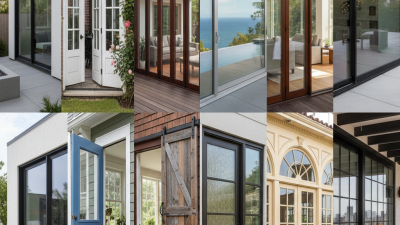
Patio doors with windows bring daylight, ventilation, and a wider view of the garden. Their material should match the home’s structure, climate, and maintenance habits. Vinyl frames suit practical suburban homes because they resist moisture and require little upkeep. However, dark vinyl can absorb heat in strong sunlight. It is not a perfect choice everywhere.

Wood frames complement cottages, craftsman houses, and traditional interiors. Their natural grain adds warmth beside brick, stone, or painted siding. Wood also needs regular sealing, especially near wet climates. Fiberglass offers a steadier balance. It can resemble painted wood, resist warping, and support larger glass panels. This material often works well in modern or transitional homes, though its higher cost may challenge a tight renovation budget.

Aluminum frames create slim lines for contemporary houses and urban apartments. They look clean around large windows, but ordinary aluminum can transfer heat quickly. Thermal breaks and quality installation matter. Sliding doors save interior space, while French patio doors create a more formal appearance. Folding styles open wide, yet they need careful alignment and more hardware maintenance. Installers should check the threshold, drainage path, weather seals, and wall condition before fitting any style. A beautiful door can still leak if the sill is poorly detailed. Homeowners should compare glass ratings, frame strength, local weather exposure, and repair access rather than choosing by appearance alone. The right design feels natural, but no option removes every compromise.

Why Choose Patio Doors With Windows for Your Home? - Which Materials and Styles Suit Different Home Designs?

Material Common Door Style Best-Suited Home Design Window and Glazing Options Main Advantages Considerations Typical Maintenance
Vinyl Sliding or hinged patio door Contemporary, suburban, and budget-conscious homes Double-pane insulated glass; low-emissivity coatings are widely available Good thermal performance, low maintenance, moisture resistance, and generally lower purchase cost Color choices can be more limited; large frames may have less visual refinement than wood or aluminum Clean frames and tracks periodically; inspect weather seals
Fiberglass Sliding, hinged, or folding patio door Modern, transitional, and high-performance homes Double- or triple-pane glass; clear, tinted, obscure, and low-emissivity options Strong, dimensionally stable, energy-efficient, and resistant to warping and corrosion Usually costs more than vinyl; availability and customization vary by design Routine washing and hardware inspection; repainting is infrequent
Wood French, hinged, or traditional sliding door Traditional, craftsman, farmhouse, and historic-style homes Divided-light, decorative, clear, or low-emissivity insulated glass Natural appearance, strong design flexibility, and good insulation when properly finished More vulnerable to moisture, sunlight, and temperature changes if finishes are neglected Check finish and joints regularly; reseal or repaint as needed
Aluminum Large sliding, stacking, or folding door Minimalist, industrial, coastal, and mid-century modern homes Large insulated glass panels; thermally broken frames improve insulation Slim sightlines, high structural strength, wide openings, and strong resistance to rot Non-thermally broken frames can transfer heat; coastal air may accelerate corrosion of unsuitable finishes Wash surfaces and tracks; check drainage holes and hardware
Wood-Clad Hinged, French, or premium sliding door Upscale traditional, transitional, and custom-designed homes Insulated low-emissivity glass with interior grids or decorative patterns Warm interior appearance with an exterior cladding layer that reduces exposure to weather Higher cost and greater weight; the interior wood still requires periodic care Inspect exterior cladding, interior finish, seals, and operating hardware
Selection Notes: Choose low-emissivity double-pane glass for a balance of insulation, daylight, and cost. Triple-pane glass can provide greater thermal performance in colder climates, while laminated glass improves safety and noise control. Sliding doors are space-efficient, hinged doors provide a wider everyday passage, and folding systems can create the broadest connection between indoor and outdoor areas.

What Should You Consider Before Choosing Patio Doors With Windows?

Patio doors with windows can brighten a room and connect it with a garden or balcony. Before choosing them, examine how the space is used every day. A south-facing opening may receive intense summer heat, while a shaded side may need more daylight. Low-emissivity glass can reduce heat transfer, but the best option depends on your climate and window orientation.

I once focused too much on appearance and overlooked the door’s threshold height. That mistake can affect cleaning, accessibility, and water protection. Measure twice. Check the frame material, drainage design, and weather seals carefully.

A qualified installer should inspect the wall opening before recommending a door size. Poor fitting can cause drafts, condensation, or difficult operation. Local building requirements may also affect safety glass, ventilation, and emergency access.

Think about privacy and security as well. Clear glass looks open, but frosted or textured glass may suit bedrooms and close neighbors better. Tempered glass helps reduce injury if broken, while laminated glass can provide additional protection.

Test the handle height and locking action in person. Small details matter. Ask how often the tracks, seals, and rollers need maintenance.

I would also question any promise of “maintenance-free” performance, because every exterior door eventually faces dust, moisture, and changing temperatures. A written installation scope and clear warranty terms can prevent confusion later.

How Can You Maintain Patio Doors With Windows?

Patio doors with windows need regular care to remain secure, bright, and easy to operate. I inspect mine monthly, especially after heavy rain or windy days. I look for cracked seals, loose handles, and water marks around the frame. A soft brush removes grit from the lower track. Then I vacuum the remaining dust.

Never force a panel. Dirt can damage rollers and make the door sit unevenly. I used to ignore tiny grains of sand. That mistake made opening the door noticeably harder.

Clean the glass with warm water and a mild, non-abrasive cleaner. Use a microfiber cloth to reduce scratches and cloudy streaks. Keep cleaner away from weather seals and drainage openings. Check the drainage holes outside the frame after storms.

A blocked opening can trap water against the sill. Wipe metal or vinyl frames with diluted soap, then dry them fully. Harsh solvents may weaken finishes or seals, so follow the manufacturer’s care instructions.

If the glass feels loose, stop using the door and arrange a qualified inspection. Do not adjust hardware blindly.

Apply only the lubricant recommended for the rollers or locking hardware. Too much oil attracts dust. Test the lock, latch, and handle several times after cleaning. The panel should move smoothly without scraping or sudden resistance.

I sometimes postpone this check when the door appears fine. That is not ideal, because small alignment problems can become expensive repairs. Record the inspection date and any changes in movement or drafts.

Photos of damaged seals can help a technician diagnose the problem accurately. Replace worn seals promptly, particularly when indoor condensation appears around the glass.