How to Choose the Best Aluminum Clad Doors?
Choosing aluminum clad doors is not just a matter of matching a frame to your exterior. The right choice can affect comfort, upkeep, durability, and the feel of a room. A warm wood interior paired with a weather-resistant aluminum exterior may suit a busy entryway, but details matter. A door that looks ideal in a showroom can behave differently in a damp coastal climate or a sunny west-facing opening.
Start with the conditions the door must handle. Consider exposure to rain, strong sunlight, temperature changes, and everyday use. Then compare frame construction, glass options, thermal performance, hardware, finishes, and warranty terms. Ask how the aluminum cladding is joined to the inner frame, and whether replacement parts are available. These questions are practical, not fussy. They can reveal differences hidden beneath similar finishes.
There is no single best specification for every home. A large glazed door may bring in welcome daylight, yet it can also affect heat gain and privacy. And maintenance still matters. Even durable materials benefit from sensible cleaning and periodic inspection. Product claims should be checked against published performance data and installation guidance, rather than accepted at face value. Exact ratings and suitable configurations vary by manufacturer and project, so confirm them with a qualified supplier or installer. The best choice balances appearance with real site conditions, budget, and long-term service needs. Some trade-offs are easy to miss. A careful comparison helps you choose aluminum clad doors with confidence, while leaving room to reconsider assumptions before ordering.
What Are Aluminum Clad Doors and How Do They Work?
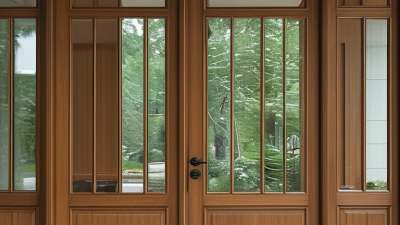
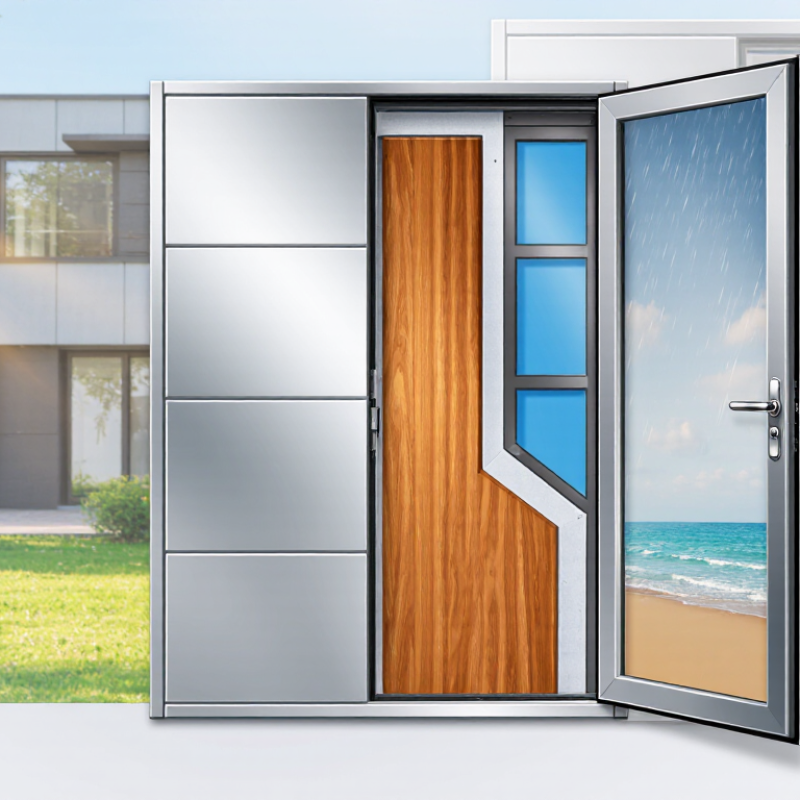
Aluminum-clad doors combine a timber core with a protective aluminum exterior. The wood provides warmth, structure, and interior appeal. The aluminum shell resists rain, sunlight, insects, and surface damage. Not just metal.
These doors work through layered performance. A weather-resistant coating protects the outer face, while seals block wind-driven rain around the frame. Inside, wood offers useful insulation, but poorly fitted joints can still create cold spots. In practice, installation quality often matters as much as the material choice. Small gaps can reduce comfort and increase air leakage.
The U.S. Department of Energy reports that windows account for about 25%–30% of residential heating and cooling energy use. Doors are smaller openings, yet their glass, frames, and thresholds still influence indoor energy performance. The National Fenestration Rating Council evaluates U-factor and solar heat gain coefficient, or SHGC. A lower U-factor generally means slower heat transfer. SHGC shows how much solar radiation enters through the door assembly. Check the complete rating, not only the aluminum finish.
Aluminum-clad doors are durable, but they are not maintenance-free. Coatings can fade, seals can age, and timber may respond to indoor humidity. A common mistake is choosing a beautiful door without checking drainage, sill design, and local weather exposure. Those details deserve more attention. Reliable selection depends on tested ratings, careful measurement, and an installer who follows the manufacturer’s installation requirements.
Which Materials and Cladding Types Best Match Your Needs?
Aluminum-clad doors pair a wood or composite interior with an exterior aluminum skin. The core affects insulation, weight, and feel; the cladding helps shield the door from rain and sun. Choose the combination for your climate and daily use, not appearance alone.
Wood cores offer a warm finish and can be repaired, but they need suitable upkeep, especially in damp rooms. Composite or insulated cores may resist moisture better and improve thermal performance.
Check the door’s tested energy ratings rather than assuming a thicker panel is more efficient. Small details matter.
Aluminum cladding varies in thickness, finish, and installation method. A durable powder-coated surface can help resist fading and corrosion, while well-designed drainage and sealed edges limit water entry.
In coastal or wet areas, ask how the finish performs in salt and moisture. Compare warranties, but read their exclusions carefully. That part is easy to miss.
Also inspect samples in daylight: dark finishes can show dust, scratches, and heat more readily than expected.
How Should You Compare Energy Efficiency and Weather Resistance?
When comparing aluminum clad doors, start with the full performance label, not just the frame material. Aluminum is strong, but it conducts heat readily. Look for a continuous thermal break between the exterior aluminum and interior frame. Compare the whole-door U-factor, where a lower value generally indicates less heat transfer. Check the test conditions too; ratings can vary by size, glazing, and configuration. A number without context is less useful.
Weather resistance needs equal attention. Review tested air leakage and water penetration results, then ask whether they apply to the door’s size and operating style. A sliding door and a hinged door do not face identical sealing challenges. Inspect the sill design, compression seals, corner joints, and drainage paths. On a rainy day, water should drain outward rather than collect against the interior threshold. Small details matter. A well-rated door can still leak if it is installed out of square or its flashing is poorly connected to the wall. I sometimes find it tempting to choose the strongest headline rating, but that can overlook local exposure. Wind-driven rain, coastal air, and freeze-thaw cycles place different demands on materials and installation. Compare independent test documentation, and ask how the proposed assembly handles your actual opening and climate.
How to Choose the Best Aluminum-Clad Doors?
Compare Energy Efficiency and Weather Resistance
Lower U-factor means less heat transfer. The values shown are illustrative examples, not ratings for specific products; actual performance depends on the complete door assembly and its NFRC-certified rating. For weather resistance, compare the product’s tested air-leakage and water-penetration ratings, and check that they suit your climate and exposure.
What Door Design, Operation, and Security Features Should You Choose?
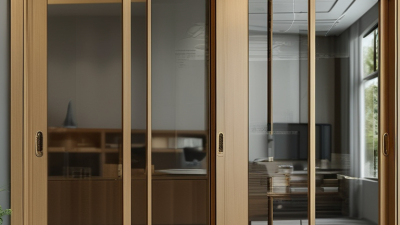
Choose an aluminum-clad door by matching its design to the opening and daily use. A wide patio opening may suit a sliding door, while a hinged door needs clear swing space. Aluminum cladding protects the exterior, but check the inner frame, finish, and drainage details too. For glazed doors, compare the National Fenestration Rating Council (NFRC) label: its certified U-factor and Solar Heat Gain Coefficient help you assess insulation and sunlight control. The U.S. Department of Energy notes that windows can account for 25–30% of home heating and cooling energy use, making glazing performance worth checking.
Operation matters in real weather. Ask for tested air, water, and structural performance under the North American Fenestration Standard (NAFS), and choose ratings suited to your exposure. In a windy coastal area, a low-rated unit may be a poor fit. For security, look for a multipoint lock, a reinforced strike area, and laminated or appropriately rated impact-resistant glass where needed. A sturdy lock cannot compensate for weak installation. Details matter.
Tips: Test the handle and lock before purchase. Check that the threshold is low enough for access but still sheds water. Ask the installer how the frame will be anchored and sealed. One choice may still feel imperfect: prioritize the feature you will use most, then verify the product’s documented performance rather than relying on appearance alone.