7 Best Front Doors With Windows for Your Home
A front door does more than mark the entrance. It frames the home, admits daylight, and helps manage drafts near the threshold. The right front doors with windows can brighten a dim hallway while keeping privacy and insulation in view. Still, glass changes the door’s performance. A clear pane may look welcoming, but it can expose the entry and feel less private after dark.
Energy guidance offers a practical place to start. The U.S. Department of Energy recommends considering a door’s climate suitability, weatherstripping, and air leakage—not appearance alone. For glazed doors, check the National Fenestration Rating Council label. Its ratings help compare factors such as U-factor and solar heat gain coefficient. Small details matter. A low threshold, tight seals, and properly fitted glass can shape everyday comfort.
Value deserves a careful reading, too. Remodeling magazine’s 2024 Cost vs. Value report estimated a 188.1% cost recoup for a steel entry-door replacement. That figure is a national project estimate, not a promise, and it does not measure every glass-panel design. A beautiful door is not automatically a better investment. That’s easy to forget.
This guide looks at seven front-door styles with windows, from narrow sidelights to larger glazed panels. We’ll consider light, privacy, materials, upkeep, and energy ratings. The best choice depends on your entry’s exposure and your tolerance for maintenance. One honest limitation: no style works equally well for every house.
Understanding the Benefits and Trade-Offs of Front Doors With Windows
A front door with glass can bring daylight into a dim entry and make a narrow hallway feel more open. Clear panels offer a view outside, while frosted or textured glass softens the view without blocking much light. Sidelights can brighten the doorway too, but they need careful sizing so the entrance still feels balanced. On a north-facing porch, the light may be gentle; on a sunny west-facing one, glare and heat can be more noticeable.
The trade-off is privacy. At night, interior lights can make clear glass surprisingly revealing. Test it at dusk. Stand outside and check what is visible before choosing a panel style. Laminated or reinforced glazing can offer added resistance to impact, though the door’s frame, lock, and installation matter as well. Glass also affects insulation: look for well-sealed construction and glazing suited to your climate, and check for drafts around the threshold.
Maintenance is another practical consideration. Fingerprints show quickly on clear glass, and decorative panes may take longer to clean. I would not choose a door by appearance alone; measure the opening and consider the porch’s exposure first. A beautiful glass panel can still feel like the wrong choice if it faces a close neighbor or gets harsh afternoon sun. For privacy, frosted glass helps, but it can reduce the clear view some homeowners expect.
Comparing Glass Types, Frame Materials, Privacy, and Security
Glass choice shapes daylight, privacy, and security. Clear glass brightens a dim entry, but it also exposes the hallway. Frosted or patterned glass softens views; laminated glass holds together when cracked, while tempered glass is designed to break into smaller pieces. For better insulation, compare insulated glass units and low-emissivity coatings. Check the National Fenestration Rating Council label for U-factor and solar heat gain coefficient rather than relying on vague “energy-efficient” claims.
Frame material matters, too. Fiberglass resists moisture and needs little upkeep; steel offers a sturdy feel but can dent or scratch. Wood brings warmth, yet needs regular attention to paint or finish, especially near a wet threshold. Security depends on the whole assembly: look for reinforced hinges, a solid frame, and a properly installed deadbolt. A small glass panel beside the lock may still create a weak point. Honestly, window placement can be a trade-off, not a simple upgrade.
Tips: Stand outside after dark and check what the glass reveals. Add a privacy film or choose textured glazing where sightlines feel too open. Zonda’s 2024 Cost vs. Value report estimated a national average cost of $2,355 for a steel entry-door replacement and a $4,430 resale value. That benchmark is not specific to doors with windows, so compare local quotes and glass options before using it to set a budget.
Exploring Seven Popular Front Door Styles With Windows
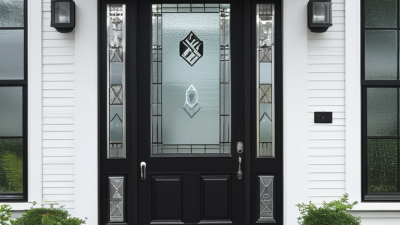
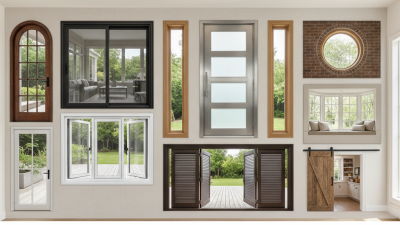
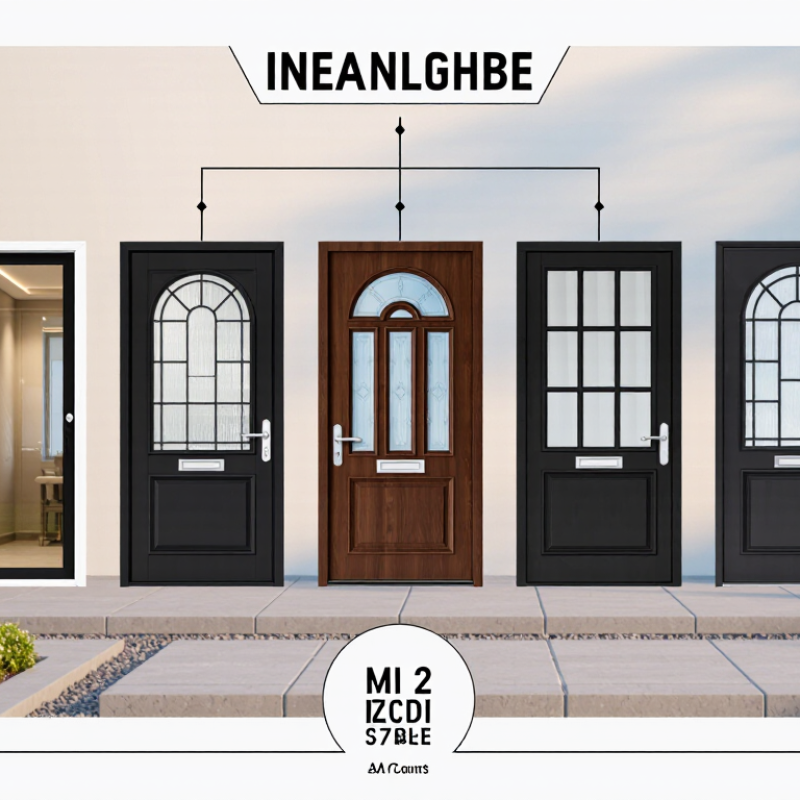
Front doors with windows can brighten an entryway, but each layout balances daylight, privacy, and upkeep differently. A full-lite door has glass across most of its surface and suits a shaded porch. It also gives passersby a clearer view inside. A half-lite design places glass in the upper section, leaving more solid material below for a calmer, more private look. The three-quarter-lite style sits between them, offering a broad glass panel without filling the entire door.
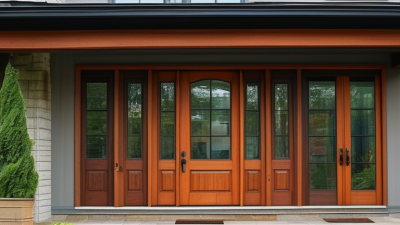
Small details matter. A divided-lite door uses bars or simulated muntins to create a classic grid; check that the divisions are easy to clean. Sidelights add narrow glass panels beside the door, making a tight foyer feel wider. A transom window above the frame draws daylight downward and can make a low entry feel taller. That changes the feel. An arched-top door brings a softer, traditional shape, though its custom fit may add complexity and cost.
For any style, consider where the sun hits and whether the glass faces a busy walkway. Textured or frosted glazing can soften views while still admitting light. Look for well-sealed glazing and weatherstripping, and ask how the door handles your local climate. A striking window pattern can be tempting, but it should not make everyday cleaning or privacy an afterthought.
Matching a Windowed Door to Your Home’s Architecture and Climate
A windowed front door should feel connected to the home’s architecture, not like an afterthought.
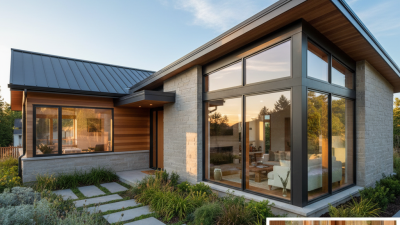
Craftsman houses often suit divided lights that echo porch details and nearby trim. A modern facade may look more balanced with a broad, simple pane and minimal framing. On older homes, matching the window pattern can matter more than adding decorative glass. Small details count.
Climate affects comfort and durability. In sunny locations, low-emissivity glass and a shaded entry can help limit heat gain. Cold regions benefit from insulated glazing, tight weatherstripping, and a properly sealed threshold. For rainy or coastal conditions, choose durable finishes and make sure water drains away from the sill. Check the door’s energy information and installation details, not just how the glass looks.
Think about privacy and the direction your entry faces. Clear glass can brighten a dim hallway, but it may reveal more than you want at night. Frosted or textured panes soften views while still bringing in daylight. There is no perfect formula; a door that suits the facade may need added shade or privacy film. It is easy to focus on appearance and overlook the draft at ankle level.
Planning for Installation, Maintenance, and Long-Term Performance
Before choosing among the 7 best front doors with windows, plan around the opening, not just the door slab. Measure width, height, and jamb depth at several points; older frames can be uneven. A small mismatch can leave drafts or complicate locking. Get the installer to check the sill, flashing, and water drainage before fitting the unit. Details matter.
The U.S. Department of Energy’s Energy Saver guidance estimates that windows account for 25–30% of residential heating and cooling energy use. That figure covers windows broadly, not the savings from one glazed front door. Still, it makes glass area and installation worth considering. Compare the door’s National Fenestration Rating Council label: it lists U-factor and solar heat gain coefficient, useful measures for comparing rated products. A lower U-factor generally means less heat transfer.
Maintenance is plain, but easy to postpone. Wash glass with a soft cloth, clear grit from the threshold, and inspect weatherstripping for flattened spots or gaps. Check the bottom corners after heavy rain; trapped water can damage finishes over time. Indoor condensation may signal high humidity, not a failed door. I would not judge performance by appearance alone. Recheck the seal after the first cold season, when small drafts become easier to notice.
Front Doors With Windows: A Practical Maintenance Schedule
Plan routine care to help preserve glazing, seals, finishes, and hardware over time.
Suggested homeowner planning intervals: clean glass and clear drainage channels every 3 months; inspect weatherstripping every 6 months; inspect the finish, sealant, and hardware every 12 months. Adjust for local weather and follow the door and hardware manufacturers’ care instructions.