Best Windows for Your Home Choosing the Right Windows?
Choosing the right windows for your home is a crucial decision. Windows impact aesthetics, energy efficiency, and comfort. Renowned window expert, David Smith, emphasizes, “The right windows can transform your living space.” This statement underlines the importance of making informed choices.
When considering windows, many factors must be evaluated. Style, material, and energy ratings are essential. For instance, double-pane windows offer better insulation compared to single-pane options. Yet, some may overlook the significance of window placement and size. These aspects can dramatically influence natural light and ventilation.
Homeowners often grapple with the myriad of choices. It’s easy to feel overwhelmed. Taking time to understand your needs is vital. Assessing your home’s architecture can help narrow options. Remember, the right windows not only enhance beauty but also functionality.
Types of Windows: Understanding the Main Options for Homeowners
When considering the right windows for your home, understanding the various types available is crucial. Homeowners can choose from options like double-hung, casement, sliding, and bay windows. According to the National Association of Home Builders, about 75% of homeowners prioritize energy efficiency when selecting windows. This makes it vital to not only know the styles but also their functional benefits.
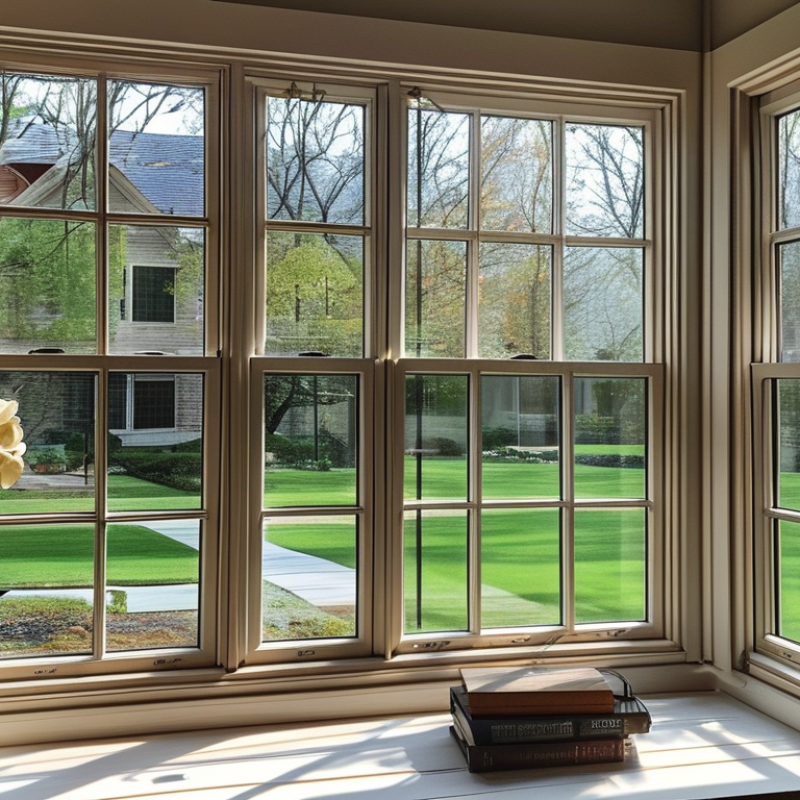
Double-hung windows, for instance, allow for easy cleaning and enhanced ventilation. Their ability to open from both the top and bottom can reduce energy costs when used effectively. On the other hand, casement windows are praised for their modern look and superior sealing performance. A report from the U.S. Department of Energy highlights that well-sealed windows can reduce energy costs by 10% to 25%.
However, the decision can lead to dilemmas. Aesthetic preferences may clash with the need for efficiency. Some homeowners feel overwhelmed by the available options. Factors like cost and maintenance often lead to indecision. It’s beneficial to conduct thorough research and seek expert advice, as varying climates may further influence the window type you eventually choose.
Energy Efficiency Ratings: Choosing Windows that Save You Money
Energy efficiency is a crucial factor when choosing windows for your home. An estimated 30% of a household's heating and cooling costs can be attributed to heat gain and loss through windows. Prioritizing windows with high energy efficiency ratings can lead to significant savings over time. Look for products with the Energy Star label, which indicates compliance with strict energy efficiency guidelines. Windows rated by the National Fenestration Rating Council (NFRC) provide clear insights into performance metrics.
To enhance your home's energy efficiency, consider double or triple-pane windows with low-E coatings. These windows minimize heat transfer and often come with a better warranty. According to the U.S. Department of Energy, replacing single-pane windows with double-glazed options can save homeowners between $126 and $465 per year. Remember, while the upfront cost may be higher, the long-term benefits often outweigh the initial investment.
Evaluating the solar heat gain coefficient (SHGC) is another essential factor. Regions with colder climates benefit from higher SHGC windows, while hot climates require lower ratings. Reflect on your local climate and energy bills. Conducting an energy audit can also pinpoint areas where your home may be losing heat. Investing in the right windows can be a game-changer for energy savings and comfort in your home.
Window Materials: Comparing Vinyl, Wood, and Aluminum Choices
When choosing the right windows for your home, material selection is crucial. Vinyl, wood, and aluminum each have unique characteristics affecting both appearance and performance.
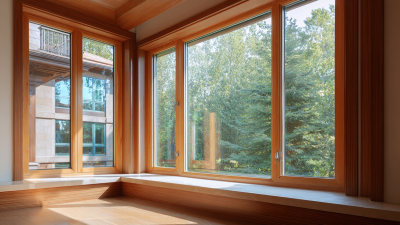
Vinyl windows are popular due to their low maintenance and energy efficiency. They resist fading and don’t need painting. However, they can lack the aesthetic warmth of wood. If you're aiming for a classic look with charm and elegance, wood windows are ideal. They provide excellent insulation and can be painted or stained. On the downside, they require regular maintenance to prevent rot and warping.
Aluminum windows offer durability and a sleek modern appearance. They are resistant to rust and corrosion, making them suitable for a variety of climates. Yet, they are less energy-efficient compared to vinyl and wood. Consider your region and weather conditions when making this choice.
When selecting window materials, think about your lifestyle. For busy households, vinyl may be the best. If you enjoy DIY projects, wood can be rewarding. Balance aesthetics with practical considerations to find a suitable option for your home.
Installation and Maintenance: Ensuring Longevity of Your Windows
When installing windows, proper techniques are crucial. Ensure a watertight seal to prevent drafts. An improper seal can lead to costly repairs down the line. Always use weather-resistant materials to protect against moisture damage. Small oversights during installation may seem harmless but can lead to significant issues in the future.
Maintenance is just as vital. Regularly check for signs of wear. Look for cracks, rot, or gaps. Addressing these issues promptly can extend the life of your windows. Cleaning the frames and sills every few months will keep them looking fresh. Avoid harsh chemicals that could damage surfaces. Simple soap and water are often enough.
Consider professional inspections every few years. A trained eye can spot potential problems before they escalate. Budgeting for maintenance can save you money in the long run. Think about DIY upkeep versus hiring experts. While tackling repairs yourself may seem cost-effective, some tasks require professional expertise. Balancing cost and quality is essential for ensuring your windows serve you well.
Best Windows for Your Home - Installation and Maintenance: Ensuring Longevity of Your Windows
| Window Type |
Energy Efficiency Rating |
Average Lifespan (Years) |
Maintenance Level |
Installation Complexity |
| Vinyl Windows |
A+ |
20-40 |
Low |
Easy |
| Wood Windows |
B |
15-30 |
Medium |
Moderate |
| Aluminum Windows |
C |
20-30 |
Low |
Easy |
| Fiberglass Windows |
A |
30-50 |
Low |
Moderate |
| Composite Windows |
A |
25-35 |
Medium |
Moderate |
Cost vs. Value: Analyzing the Investment in Quality Windows
Choosing the right windows for your home involves considering both cost and value. Quality windows may have a higher upfront cost, but they often lead to long-term savings. Energy-efficient models can significantly reduce heating and cooling bills. The investment pays off over time through reduced utility expenses.
It's essential to evaluate the materials and features. Frames made of vinyl or fiberglass offer durability and insulation. However, these options can come with a higher price tag. Homeowners must reflect on their priorities. Are aesthetics more important than energy savings? This decision can impact both comfort and budget.
Installation quality also plays a crucial role in the overall value. Poorly installed windows can lead to air leaks, negating energy savings. Consider hiring experienced professionals. Their expertise can ensure long-lasting performance. Take time to research and consult with experts to make an informed choice. This can help avoid costly mistakes later on.