How to Choose Wooden Windows in 2026?
Choosing wooden windows in 2026 requires more than comparing frame colors and price tags. Timber species, glazing performance, joint quality, maintenance access, and local weather all matter. A beautiful oak frame may struggle in a wet coastal climate without proper protection. A cheaper softwood frame may perform well when factory-treated and carefully installed. The details decide the result.
Carl Elefante, FAIA, a respected preservation architect, said, “The greenest building is the one that is already built.” His principle fits wooden windows closely. Repairable timber can preserve an older home’s character and reduce unnecessary replacement waste. However, sustainability should not become a vague promise. Ask about certified timber, coating ingredients, expected service life, and repair procedures. Request documented U-values, air-leakage results, and warranty terms. Trust evidence.
Look closely at the sample corner. Are the joints tight? Does the sill shed water? Can damaged paint be renewed without removing the whole window? These practical questions often reveal more than polished brochures. Modern wooden windows can combine slim sightlines with double or triple glazing, improved seals, and discreet hardware. Yet more glass layers are not automatically better. Weight, ventilation, solar gain, and installation quality still affect comfort.
I would not pretend there is one perfect window. My own preference can change after seeing the building’s orientation and moisture exposure. Even experienced buyers miss something. This guide examines the choices carefully, including timber types, energy ratings, finishes, costs, maintenance, and common design mistakes. The goal is simple: select wooden windows that feel right today and remain repairable years later.
Define Your Wooden Window Needs and Project Requirements
Choosing wooden windows in 2026 starts with defining the project, not browsing styles. Measure each opening, including uneven masonry, sill depth, and interior trim. Record room orientation, local climate, noise exposure, and ventilation habits. A south-facing bedroom needs different glass from a shaded hallway.
The U.S. Department of Energy reports that windows can cause 25–30% of residential heating and cooling energy use. Therefore, compare U-factor, solar heat gain coefficient, air leakage, and visible transmittance. The National Fenestration Rating Council explains these ratings through standardized window labels. Lower U-factor generally improves insulation. However, excessive solar control may make a winter room feel dull.
Think about maintenance before ordering. Wood needs protected joints, durable exterior finishing, and a practical repainting plan. Check drainage paths with your installer. Small defects become expensive later. I once focused too heavily on frame appearance and underestimated opening direction. That mistake affected furniture placement and emergency access.
Define the required operation clearly: casement, tilt-and-turn, sash, or fixed glazing. Confirm cleaning access, child safety, security hardware, and applicable egress rules. Request certified performance data, installation drawings, warranty terms, and moisture-management details. A beautiful window can still fail when the wall interface is poorly sealed. Record every decision before production begins.
How to Choose Wooden Windows in 2026?
Define your wooden window needs and project requirements by comparing glazing performance first. Lower U-values indicate better thermal insulation and can help reduce heating and cooling demand.
Representative center-of-glazing U-values are shown in W/m²·K. Actual whole-window performance depends on the timber frame, spacer, installation quality, window size, and local climate requirements. Confirm certified Uw values before specifying the final product.
Compare Wood Species, Window Styles, and Frame Construction
In 2026, choosing wooden windows starts with the wood species, not the paint color. Oak offers dense grain and strong impact resistance, but it can be heavy and expensive. Pine is lighter and more affordable, although it needs careful sealing against moisture. Larch performs well in damp climates, yet seasonal movement still requires attention. No species wins every test. A local professional should assess humidity, sun exposure, rainfall, and drainage before making a recommendation. That practical inspection is often missed.
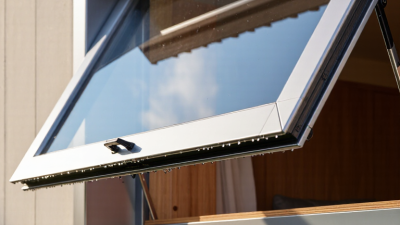
Window style should match both ventilation needs and daily habits. Casement windows open wide and catch breezes effectively. Awning windows help ventilate rooms during light rain. Sliding styles save space, but their tracks need regular cleaning. Frame construction matters just as much. Solid timber provides a warm, traditional appearance. Laminated timber can improve stability by reducing warping. Wood-clad frames add exterior protection, but repairs may become more complex. I would not choose a frame from a showroom sample alone. Small corner joints and drainage channels reveal more than polished finishes.
Tips: Check end grain for exposed moisture paths. Ask how joints are sealed and repaired. Compare glass weight with hinge strength. Request written maintenance intervals. If the frame feels damp, pause the purchase. A cheaper window can become costly after repeated repainting, and even expert advice can be imperfect when local weather data is missing.
How to Choose Wooden Windows in 2026? – Compare Wood Species, Window Styles, and Frame Construction
| Category | Option | Key Characteristics | Typical Thermal Performance | Durability and Maintenance | Best Use | Important Considerations |
|---|---|---|---|---|---|---|
| Wood Species | ||||||
| Wood Species | Pine | Lightweight softwood with a relatively low cost, straight grain, and good workability. Often used for painted or stained interior surfaces. | Good insulating potential because softwoods generally have lower thermal conductivity than dense hardwoods. | Medium Requires thorough exterior protection and regular inspection, especially in wet climates. |
Budget-conscious projects, painted windows, and many traditional residential applications. | Use properly kiln-dried, finger-jointed, laminated, or clear-grade material to reduce movement and defects. |
| Wood Species | Douglas Fir | Strong softwood with a prominent grain, good screw-holding ability, and a warm reddish-brown appearance. | Good insulation potential and suitable structural strength for large or heavily glazed frames. | Medium to High Performs well when protected from prolonged moisture exposure. |
Large windows, architectural designs, stained finishes, and areas where strength is important. | Clear finishes require more frequent renewal than opaque paint because ultraviolet exposure is visible on the surface. |
| Wood Species | Western Red Cedar | Lightweight softwood with natural resistance to decay, low density, and distinctive reddish-brown color. | Very good insulating potential due to its low density. | High Naturally decay-resistant, but exposed coatings and end grain still require maintenance. |
Humid or coastal environments, rustic designs, and projects prioritizing low weight. | Softer than many other species, so it can dent more easily and may require careful hardware installation. |
| Wood Species | European Oak | Dense hardwood with prominent grain, high stiffness, and a traditional premium appearance. | Good overall performance, although denser wood is not automatically a better insulator than softwood. | High Strong and durable when correctly detailed, sealed, and protected. |
Premium heritage-style windows, large sections, and natural stained finishes. | Heavier and usually more expensive than softwood. Moisture management is essential to limit movement and staining. |
| Wood Species | Accoya-Modified Wood | Wood that has been chemically modified to improve dimensional stability and resistance to decay; it is not a separate tree species. | Good frame insulation potential, with reduced swelling and shrinkage compared with untreated wood. | High Designed for demanding exposure conditions, but coatings, joints, and drainage details still need maintenance. |
High-moisture locations, painted exterior frames, and projects requiring long service life. | Check compatibility between the modified wood, adhesives, coatings, fasteners, and hardware. |
| Window Operating Styles | ||||||
| Window Style | Casement | Side-hinged sash that opens outward, usually operated with a handle and friction stay or multipoint hardware. | High potential Compression seals can provide a strong airtight closure when correctly installed. |
Medium Inspect hinges, handles, seals, and exterior drainage paths. |
Energy-efficient homes, ventilation-focused rooms, and unobstructed views. | Requires exterior clearance for opening and should be checked for wind exposure and safe operation. |
| Window Style | Awning | Top-hinged sash that opens outward, allowing ventilation while helping shed light rain. | High potential Typically benefits from compression seals and a continuous frame contact area. |
Medium Hardware and hinges should be kept clean and periodically adjusted. |
Bathrooms, kitchens, basements, and openings located below other windows. | Do not rely on the open sash as a substitute for proper flashing or water management. |
| Window Style | Double-Hung | Both upper and lower sashes slide vertically, often using balances or counterweights. | Medium to High potential Performance depends heavily on interlocking meeting rails, weatherstripping, and installation quality. |
Medium More moving parts require periodic cleaning, lubrication, and seal replacement. |
Traditional façades, controlled ventilation, and rooms where outward opening is restricted. | Look for tight sash tolerances, durable balances, and accessible drainage channels. |
| Window Style | Single-Hung | The lower sash moves vertically while the upper sash remains fixed. | Medium potential One fewer moving sash can simplify sealing and operation. |
Low to Medium maintenance Fewer operating components than a double-hung window. |
Cost-sensitive projects and traditional designs requiring limited ventilation. | Ventilation is less flexible than with a double-hung window, particularly on upper floors. |
| Window Style | Tilt-and-Turn | A multiposition window that tilts inward for ventilation and turns inward for cleaning or full opening. | High potential Usually uses a continuous compression seal around the sash. |
Medium Multipoint hardware benefits from periodic lubrication and alignment checks. |
Modern homes, upper floors, and rooms where safe ventilation and easy cleaning are priorities. | Requires careful operation because the handle position controls different opening modes. |
| Window Style | Fixed | Non-opening window designed only for daylight and views. | Highest potential Fewer joints and no operating hardware can reduce air leakage. |
Low Maintenance is mainly limited to coatings, glazing seals, and exterior drainage. |
Picture windows, stairwells, façades, and areas where ventilation is not required. | Pair with operable windows when natural ventilation or emergency egress is needed. |
| Frame Construction | ||||||
| Frame Construction | Solid Timber Frame | Made from solid wood sections, offering a natural appearance and traditional joinery options. | Good insulation potential, subject to wood species, frame depth, glazing, and air sealing. | Medium Stable moisture content, sound joinery, and regular coating maintenance are essential. |
Authentic restoration work, traditional architecture, and visible natural wood interiors. | Wide solid sections can move more with changes in humidity than engineered wood. |
| Frame Construction | Laminated Timber | Multiple wood layers are bonded with grain orientation and joints selected to improve stability and reduce defects. | High potential Stable sections can support consistent seals and deeper insulated frame profiles. |
High Quality depends on adhesive durability, joint design, and moisture protection. |
High-performance windows, large units, and projects requiring dimensional stability. | Confirm that the adhesive and manufacturing process are suitable for exterior exposure. |
| Frame Construction | Wood-Aluminum Clad | Wood is visible on the interior while an exterior aluminum layer shields the frame from much of the weather. | High potential Thermal breaks and insulated frame design are important to reduce conductive heat loss. |
Low to Medium Exterior coating maintenance is generally reduced, but joints, seals, and drainage must still be inspected. |
Exposed locations, contemporary homes, and owners seeking lower exterior maintenance. | Check that the cladding includes drainage and ventilation gaps rather than trapping moisture against the wood. |
| Frame Construction | Wood-PVC Composite | Combines a wood interior or structural core with a PVC exterior component intended to limit weather exposure. | High potential Performance depends on frame geometry, glazing, seals, and thermal bridging control. |
Low to Medium Usually less exterior painting is required, but plastic components can age differently from wood. |
Projects seeking a balance between a wood interior appearance and reduced exterior upkeep. | Review expansion differences, fastener design, drainage, and long-term color stability. |
| Frame Construction | Traditional Box Frame | Deep frame construction often used with vertically sliding sashes; it can accommodate counterweights and layered trim. | Medium potential Air leakage depends on the meeting rails, pulley pockets, and weatherstripping. |
Medium to High Accessible components make repair possible, but maintenance can be detailed. |
Historic buildings and period-style renovations. | Use sympathetic upgrades such as discreet seals and improved glazing where permitted by the building design. |
| Frame Construction | Insulated Deep-Section Frame | A thicker frame profile designed to accept deeper glazing units and additional insulation zones. | High potential Can reduce frame heat loss when paired with low-emissivity insulating glass. |
Medium More complex profiles require careful coating, drainage, and seal maintenance. |
Cold climates, high-performance new construction, and low-energy renovation projects. | Compare whole-window performance rather than glass-only values, including frame and installation effects. |
| Selection Factors to Check Before Purchase | ||||||
| Performance Metric | Whole-Window U-Factor | Measures heat transfer through the complete window, including glazing, frame, sash, and spacers. Lower values indicate better insulation. | Use the certified whole-window value rather than estimating performance from the glass alone. | Long-term performance depends on airtight installation and intact seals. | Comparing windows for heating-dominated or mixed climates. | Ask for the tested value for the exact size, glazing package, and frame configuration. |
| Performance Metric | Solar Heat Gain Coefficient | Indicates how much solar energy enters through the window. Lower values reduce solar heat gain; higher values can provide useful passive heat. | Choose according to orientation, climate, shading, and cooling demand. | Exterior shading can improve summer comfort without changing the frame. | Optimizing comfort and energy use by façade orientation. | South-, east-, and west-facing windows may require different specifications. |
| Installation | Flashing and Drainage | Water-shedding details direct rain away from the frame, wall assembly, and interior finishes. | Proper installation protects insulation and reduces moisture-related performance loss. | Essential Inspect sill pans, end dams, head flashing, sealants, and exterior clearances. |
All climates, especially wind-driven rain and coastal environments. | Even a durable species can decay if the sill and surrounding wall are unable to drain. |
| Maintenance | Exterior Coating System | Paint or exterior stain protects wood from ultraviolet radiation and moisture cycling. | A well-maintained coating helps preserve the frame’s dimensional stability and airtight seals. | Essential Inspect high-exposure elevations more often and renew coatings before bare wood appears. |
Every wood window, regardless of species or frame style. | Keep drainage paths clear and pay special attention to end grain, joints, glazing beads, and lower rails. |

Evaluate Energy Efficiency, Glass Options, and Weather Resistance
Choosing wooden windows in 2026 starts with measurable performance, not appearance alone. The U.S. Department of Energy reports that windows can cause 25–30% of a home’s heating and cooling energy use. Check the whole-window U-factor, not only the glass rating. A lower U-factor means better insulation. The solar heat gain coefficient, or SHGC, also matters. Low SHGC can reduce summer overheating, while moderate SHGC may help colder rooms. Climate changes the answer.
Glass selection needs practical judgment. Double glazing suits many mild regions, but triple glazing can improve comfort in colder climates. Low-emissivity coatings reduce radiant heat transfer. Warm-edge spacers can limit heat loss around the glass perimeter. The National Fenestration Rating Council explains that certified ratings allow fair comparisons between complete window units. Still, a high rating cannot repair poor installation. Air leaks around the frame may create a cold strip beside the wall.
Tips: Ask for NFRC-certified U-factor, SHGC, visible transmittance, and air-leakage data. Examine the sill and corner joints carefully. Weather resistance depends on drainage, flashing, seals, and finish quality. The American Architectural Manufacturers Association’s testing standards evaluate water penetration and wind performance, but real exposure varies by site. Coastal spray, driving rain, and strong sunlight demand more maintenance. Wood can swell or crack when neglected. I would not promise “maintenance-free” timber; that claim deserves skepticism. Inspect exposed finishes every year, especially after a wet winter.
Check Maintenance Needs, Durability, and Environmental Impact
Choosing wooden windows in 2026 requires more than admiring their warm appearance. Maintenance decides whether that beauty lasts. The NAHB Study of Life Expectancy of Home Components estimates that wood windows typically serve for about 30 years, but climate and upkeep can change that figure. Inspect frames and joints each spring. Look for peeling coating, soft timber, water stains, and failing sealant. Small defects are cheaper to repair than hidden rot.
Durability also depends on design. Deep exterior overhangs reduce direct rain exposure, while properly drained sills prevent water from sitting against the frame. A durable finish helps, but it is not permanent. Recoating may be needed every few years, depending on sunlight and moisture. This is inconvenient. Still, ignoring it can erase wood’s repairability advantage. Choose frames with replaceable seals and accessible hardware.
Environmental impact deserves equal attention. The International Energy Agency’s 2023 Global Status Report for Buildings and Construction states that buildings use about 30% of global final energy and create roughly 26% of energy-related emissions. Efficient windows can reduce heating and cooling demand, but the frame’s full life cycle matters too. Request an independently verified Environmental Product Declaration, or EPD. Check timber sourcing against credible forestry certification and ask about recycled content, coatings, transport, and end-of-life options. The University of Bath’s Inventory of Carbon and Energy shows that material impacts vary widely, so generic “natural” claims are not enough. Wood is renewable, but not automatically low-impact.
Review Installation Quality, Warranties, and Total Cost in 2026
How to Choose Wooden Windows in 2026?
Wooden windows deserve more than a beautiful showroom sample. Installation quality often determines comfort, durability, and repair costs. The U.S. Department of Energy estimates that windows account for about 25–30% of residential heating and cooling energy use. Poorly sealed frames can waste that performance quickly. Ask for written details about sill flashing, drainage paths, insulation, and interior air sealing. A small gap near the lower corner can invite moisture behind the trim.
Poorly sealed frames can waste that performance quickly.
Review the NFRC label before comparing prices. U-factor measures heat transfer, while SHGC indicates solar heat entering the room.
A lower U-factor is not always ideal for every climate. Orientation matters. A west-facing window may need a different SHGC than a shaded north-facing window. Installation should follow recognized fenestration guidance, not only the installer’s personal habit. Request photographs of hidden work. They are useful when problems appear later.
A west-facing window may need a different SHGC than a shaded north-facing window.
Warranty language deserves slow reading. Separate product coverage from labor and installation coverage. Check exclusions for paint, condensation, water entry, hardware, and glass breakage.
Some warranties require regular coating maintenance. That cost belongs in the estimate.
The 2024 Cost vs. Value Report shows replacement projects commonly recover only part of their investment at resale, so resale value cannot justify every upgrade.
Compare the full cost: window units, removal, disposal, interior repairs, exterior finishing, scaffolding, and future repainting.
The cheapest quote can become expensive. I would also leave a contingency budget, because older openings rarely behave perfectly.
Related Posts
-
How to Choose the Best Wooden Windows for Your Home?
-
2026 How to Choose Aluminum Clad Wood Windows for Your Home?
-
Why Choose Wooden Windows for Your Global Projects?
-
10 Best Tips for Choosing Wooden Windows and Doors for Your Home
-
What are the Benefits of Wooden Windows and Doors?
-
How to Choose Aluminum Clad Windows for Your Project?