Login

Skyview  >  Login

Why Choose Wooden Windows for Your Global Projects?

Choosing wooden windows for global projects is not merely an aesthetic decision. It is a practical response to comfort, durability, and environmental responsibility. Wood offers natural insulation, helping interiors remain warmer in winter and cooler during summer. Its surface also brings visible grain, softer reflections, and a warmer feeling than many synthetic alternatives.

“Wood is universally beautiful to man. It is the most humanly intimate of all materials.” Frank Lloyd Wright, the influential American architect, expressed this idea in The Natural House. His words still explain why wooden windows remain relevant across different architectural cultures. However, beauty alone is not enough. International projects must consider humidity, salt air, ultraviolet exposure, pests, maintenance access, and local building regulations. Properly engineered timber, protective coatings, drainage details, and accurate installation can greatly extend service life. The wrong specification can fail quickly.

That risk deserves honest attention. Wooden windows are not maintenance-free. They require thoughtful design and periodic care, especially in tropical or coastal environments. Yet damaged components can often be repaired instead of completely replaced. This practical advantage can reduce waste over a building’s lifetime. Responsible suppliers should provide traceable timber, tested performance data, installation guidance, and clear maintenance schedules. Certifications such as FSC or PEFC may support responsible sourcing, but documentation still needs careful review. Every climate tells a different story. A successful global project respects that difference. When designers combine local knowledge with proven manufacturing, wooden windows can deliver lasting performance, tactile quality, and a more human connection to architecture.
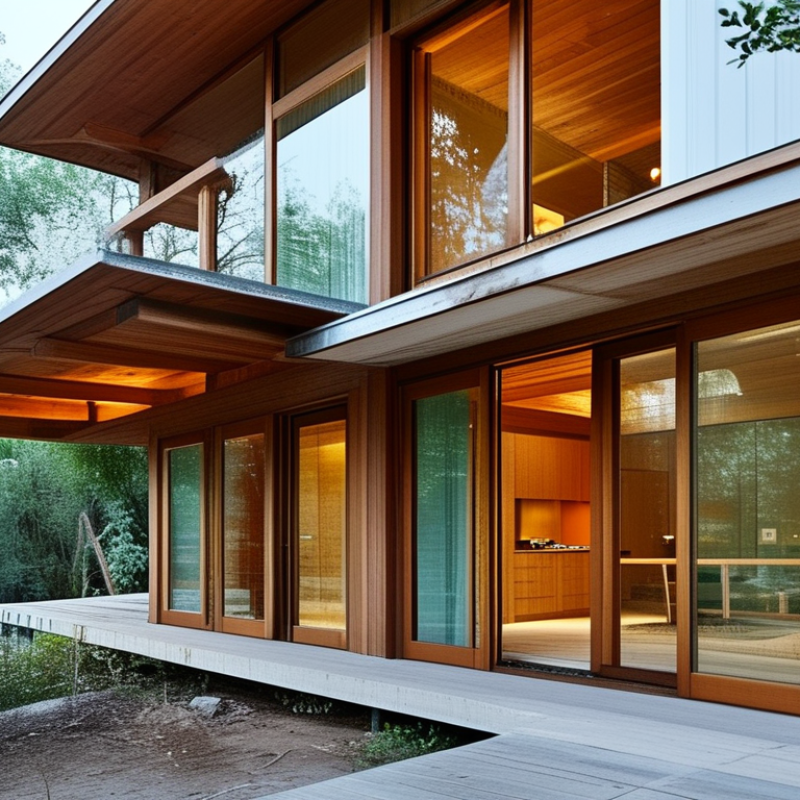
Why Choose Wooden Windows for Your Global Projects?

What Are Wooden Windows?

Wooden windows are window units made primarily from timber frames, sashes, and glazing supports. They are not simply glass set inside a decorative frame. Kiln-dried or engineered wood is shaped, joined, sealed, and finished to hold the glass securely. Depending on the design, the window may open inward, outward, or remain fixed. Common timber species differ in density, movement, and moisture resistance. That choice matters. In a humid coastal site, poorly protected wood can swell around the sash. In a cold region, careful detailing helps limit drafts and condensation. From project experience, the best results begin with moisture control, accurate installation, and compatible finishes, not appearance alone. A warm oak surface feels inviting, but it still needs inspection.

Wooden windows can combine thermal performance, repairability, and a natural visual character. Timber frames usually have lower thermal conductivity than many metal alternatives, although the complete window depends on glazing, seals, hardware, and installation quality. A small gap at the perimeter can undermine an otherwise excellent specification. That is easy to miss. Properly finished timber can be maintained through cleaning, repainting, and replacement of selected components. This can extend service life and reduce unnecessary material waste. Yet wood is not maintenance-free, and claims of zero upkeep deserve caution. Designers should review local weather, orientation, drainage, fire requirements, and available maintenance skills before selecting a system. Sample testing is useful, but real exposure can still reveal details that drawings overlooked.

How Wooden Windows Are Made and Finished

Wooden windows begin with carefully selected timber, not just attractive grain. Manufacturers check moisture content before cutting, because unstable wood can twist after installation. Kiln-dried sections are machined into frames, sashes, glazing beads, and drainage channels. Each joint must fit tightly. Small gaps can later invite water and air leakage.

Craft workers usually shape the components with precision tools, then sand every visible surface. Corners receive special attention. Sharp edges hold less coating, so a slight radius helps the finish stay even. Before glazing, the window may receive primer, stain, or paint in controlled layers. Coatings protect the timber from moisture and ultraviolet exposure. They also define the final appearance. In practical projects, I have found that a beautiful finish still fails when end grain is poorly sealed. That detail is easy to miss.

Tips: Ask for moisture readings, joint details, coating specifications, and sample sections before approval. Check whether the proposed finish suits your local climate. Coastal air, strong sunlight, and large temperature changes can affect maintenance needs. Allow the finished window to acclimatize before installation. It sounds minor. It is not. Site teams should also inspect corners, drainage paths, and glazing seals after fitting. Records of these checks improve quality control across international projects, although they cannot replace skilled workmanship.

Key Benefits of Wooden Windows for Global Projects

Why Choose Wooden Windows for Your Global Projects?

Wooden windows offer practical benefits for projects across different climates and building traditions. Their natural insulation helps reduce heat transfer through the frame. This can support indoor comfort in cold regions and warm climates. The material also provides a quieter interior near busy roads or dense urban areas. It feels warm to the touch. That detail matters in homes, hotels, and heritage buildings.

Wood can be shaped for custom dimensions, narrow profiles, and traditional openings. This flexibility helps architects respond to local design requirements. Properly selected timber can also support responsible material sourcing. Always verify regional certifications and supply records. Moisture control remains essential. Coatings, drainage paths, and accurate installation protect the frame from swelling or decay. Local building codes must guide every specification.

The choice is not flawless. Poor detailing can shorten service life. I have seen small gaps around frames cause drafts and water problems. Regular inspection is therefore part of reliable performance. Clean the surfaces, check joints, and renew protective finishes when needed. Maintenance varies with sunlight, rainfall, and humidity. A coastal project may need closer attention than an inland one. Some teams underestimate this workload. That mistake deserves honest discussion before construction begins. When designed, installed, and maintained carefully, wooden windows can combine thermal performance, repairability, and visual character across global projects.

Why Choose Wooden Windows for Your Global Projects? - Key Benefits of Wooden Windows for Global Projects

Project Consideration Key Benefit of Wooden Windows Relevant Performance or Fact Global Project Value
Thermal insulation Wood is naturally less thermally conductive than aluminium and can help reduce heat transfer through the frame. Whole-window thermal performance depends on the frame, glazing, spacer, seals, and installation. Low U-values are achievable with modern insulated glazing and properly designed timber frames. Supports energy-efficiency targets in cold, temperate, and mixed climates.
Durability Engineered timber, protective coatings, drainage details, and correct installation help protect windows from moisture and weather exposure. Service life varies significantly with wood species, design, coating system, exposure, and maintenance. Regular inspection and recoating are important. Allows specifications to be adapted to coastal, humid, dry, or cold environments.
Embodied carbon Timber is a renewable material that stores biogenic carbon during its service life when sourced and managed responsibly. Environmental impact depends on forestry practices, manufacturing, transport, coatings, glazing, and end-of-life treatment. Can contribute to lower embodied-carbon strategies when supported by credible sourcing and life-cycle data.
Indoor comfort Timber frames provide a warm, natural interior surface and can reduce the perception of cold around the window area. Comfort is influenced by surface temperature, air leakage, solar gain, glazing selection, and ventilation design. Useful for residential, hospitality, educational, and heritage projects focused on occupant comfort.
Acoustic performance Wooden frames can be combined with laminated, acoustic, or thicker insulating glass to improve sound reduction. Sound insulation is determined mainly by glazing composition, frame design, airtightness, and installation quality. Suitable for urban buildings, transport corridors, hotels, and mixed-use developments when acoustics are properly engineered.
Design flexibility Wood can be machined, stained, painted, laminated, and shaped for different architectural styles and opening formats. Available configurations include fixed, casement, tilt-and-turn, sliding, folding, and custom-shaped windows, subject to engineering limits. Helps coordinate contemporary façades, traditional buildings, renovations, and culturally sensitive projects.
Repairability Many timber components can be repaired, refinished, or replaced without removing the entire window unit. Repair options depend on the extent of damage, accessibility of components, moisture control, and availability of compatible materials. Can reduce replacement waste and support longer maintenance cycles in projects with reliable local service capacity.
Sustainability certification Documented timber origin and product transparency can support green-building assessment requirements. Evidence may include chain-of-custody documentation, environmental product declarations, life-cycle assessments, and responsible-sourcing certificates. Improves documentation readiness for international tenders and sustainability-focused developments.
Climate adaptability Wooden windows can be designed with suitable species, laminated sections, coatings, seals, ventilation details, and glazing for local conditions. Performance must be verified for local wind loads, rainfall, humidity, solar exposure, temperature variation, and building-code requirements. Supports consistent project standards while allowing region-specific technical adjustments.

Note: Actual performance depends on the complete window system, including timber species, frame construction, glazing, hardware, seals, coatings, installation, climate, and local regulations.

Design, Performance, and Compliance Considerations

Wooden windows bring warmth, depth, and tactile detail to global projects. Their frames can be stained, painted, or profiled for local architectural traditions. That flexibility matters when a hotel lobby, coastal residence, and heritage renovation share one specification. Design still needs discipline. Glazing size, frame section, drainage paths, and hardware must be coordinated early.

Performance depends on climate and detailing. The U.S. Department of Energy reports that windows can cause 25–30% of residential heating and cooling energy use. Low-emissivity glazing, insulated glass, thermally improved frames, and accurate installation can reduce this burden. Wood also offers useful insulation compared with many framing materials. Yet it is not maintenance-free. Moisture, ultraviolet exposure, and poor sill detailing can cause swelling or coating failure. I have seen attractive windows underperform because installers ignored water management.

Compliance requires documented evidence, not attractive claims. Designers should request Uw values, air-leakage results, water-penetration tests, and structural data under recognized standards. EN 14351-1, ASTM E283, ASTM E331, and ISO 10077 can support different regional approvals, but they are not interchangeable automatically. Environmental declarations should follow ISO 14025 and EN 15804 where required. The UNEP Global Status Report states that buildings and construction contribute about 37% of global energy-related and process emissions. Responsible timber sourcing and lifecycle assessment therefore deserve equal attention. A weakness remains: project teams often compare product labels, not equivalent test conditions. That mistake can distort both cost and carbon decisions.

Why Choose Wooden Windows for Your Global Projects?

Wooden window frames combine low thermal conductivity with design flexibility and can support energy-efficiency goals when the complete window assembly is correctly specified.

Approximate thermal conductivity of common frame materials at room temperature, measured in W/m·K. Lower values generally indicate better inherent insulation performance. Actual window U-values depend on the complete frame, glazing, spacers, seals, installation quality, and applicable regional building standards.

How to Select Wooden Windows for Different Project Needs

Wooden windows can bring warmth, insulation, and a strong connection to local architecture. However, global projects need more than attractive frames. Selection should begin with the building’s location, climate, and purpose.

In humid coastal areas, choose stable timber, sealed joints, and moisture-resistant coatings. In cold regions, prioritize insulated glazing, low thermal transmittance, and carefully designed weather seals. For hot climates, consider solar-control glass, external shading, and finishes that resist ultraviolet exposure. Public buildings may need stronger hardware and safer glazing. Residential projects often value ventilation, quiet operation, and interior comfort. Always check local fire, energy, wind-load, and accessibility requirements with qualified professionals. Standards differ, and a familiar specification may fail elsewhere.

Tips: Request timber moisture data, coating details, and test reports before approval. Compare samples outdoors, not only under showroom lights. Check how the frame opens, drains water, and handles cleaning. Confirm replacement parts and maintenance support in the project region. A small mock-up can reveal condensation, color changes, or difficult hardware before installation.

Experience also teaches caution. A beautiful wood species is not automatically suitable for every climate. Even a well-designed window can perform poorly after incorrect installation. I would review the sill slope, flashing, and connection details twice. Sometimes, the first specification needs revision. That is not failure; it is responsible project planning.