How to Choose Aluminum Clad Windows for Your Project?
Choosing aluminum clad windows is not simply a matter of comparing frame colors or glass packages. These windows combine an interior wood surface with a durable aluminum exterior, making them attractive for projects exposed to rain, sunlight, and changing temperatures. The right selection depends on climate, wall design, maintenance expectations, and installation quality.
Building-science expert Joseph Lstiburek is often associated with the practical reminder, “A window is a hole in the wall.” That simple statement deserves serious attention. Even premium aluminum clad windows can leak when flashing, drainage, or sealing is poorly designed. Look closely at the cladding joints, weep paths, thermal breaks, and manufacturer’s installation instructions. A coastal home may need stronger corrosion resistance. A cold climate may require better insulating glass and carefully controlled interior condensation.
Performance matters more than appearance alone. Check U-factor, solar heat gain coefficient, air leakage, water resistance, and tested operating cycles. Compare these values with your project’s energy targets and local conditions. A large south-facing window may need different glass from a shaded bedroom window. Small details matter.
There is no perfect window.
A beautifully finished frame cannot correct a weak opening, careless flashing, or unsuitable glass. I have seen product decisions change after reviewing mock-ups and real weather exposure. That is not failure; it is useful evidence. This guide explains how to evaluate aluminum clad windows with practical judgment, technical awareness, and room for honest reconsideration.
Set Whole-Window U-Factor Targets by Climate Zone Using NFRC 100
How to Choose Aluminum Clad Windows for Your Project?
Set Whole-Window U-Factor Targets by Climate Zone Using NFRC 100
Choosing aluminum clad windows should begin with the whole-window U-factor, not the center-of-glass value. NFRC 100 provides the recognized procedure for calculating this performance rating. It considers the glass, frame, sash, spacer, and edge conditions together. That matters because an attractive insulated glass unit can still lose heat through a weak frame.
Start with your project’s climate zone and local energy requirements. Cold climates usually demand lower U-factors to reduce winter heat loss. Warmer climates may place greater emphasis on solar heat gain and cooling loads. Set a whole-window target before comparing products. Then request certified NFRC ratings in both IP and metric units. Confirm that the rating applies to the exact size and configuration being specified.
Tips: Ask for the complete NFRC label. Check thermal breaks in the aluminum frame. Review corner details and operable sections. Fixed windows often perform better than opening units. Do not compare center-glass numbers with whole-window ratings. That mistake is common.
Real project experience shows that installation can weaken a good rating. Poorly insulated perimeter gaps, compressed shims, or continuous metal paths may increase heat flow. Review the sill, jamb, and head details with the window supplier and energy consultant. Recheck the target if the design changes. A lower U-factor may increase cost, weight, or frame depth, so the best choice is not always the lowest number.
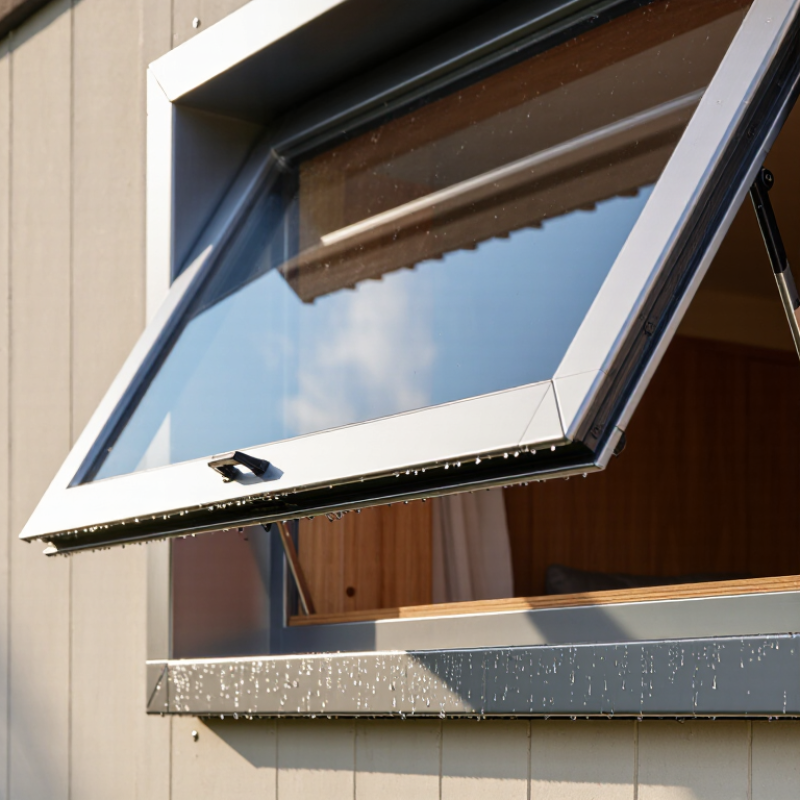
Use the whole-window U-factor reported under NFRC 100 when comparing aluminum-clad window assemblies. Lower U-factor means better resistance to heat flow. The chart shows commonly used 2021 IECC prescriptive maximum fenestration U-factor benchmarks by U.S. climate zone; confirm the applicable code edition, project exceptions, and local amendments before final specification.
Require Air Leakage ≤0.3 cfm/ft² Under AAMA/WDMA/CSA 101
How to Choose Aluminum Clad Windows for Your Project?
For aluminum clad windows, air leakage deserves more attention than appearance. Specify a maximum 0.30 cfm/ft² under AAMA/WDMA/CSA 101/I.S.2/A440. This test measures leakage at 1.57 psf, or approximately 75 Pa. The result reflects the complete window assembly, including sashes, seals, frames, and operating hardware.
The U.S. Department of Energy estimates that windows can represent 25%–30% of residential heating and cooling energy use. Poorly sealed units may create drafts near seating areas, bedrooms, or trim joints. Aluminum cladding protects the exterior, but it does not automatically improve air tightness. Check independent laboratory reports, product size limits, and tested operating types. A small awning window may perform differently from a large fixed unit. That difference matters.
Tips:
Ask for air-leakage results for the exact configuration. Confirm the pressure used during testing. Review corner seals, gasket continuity, and sill drainage details. Installation is equally important; an excellent laboratory result can weaken at a poorly prepared rough opening. I would not treat 0.30 as a magic guarantee. Site conditions are messier. Request a written installation method, compatible flashing materials, and field inspection points before approval.
Verify Water Resistance at 15% of Design Pressure Under ASTM E331
How to Choose Aluminum Clad Windows for Your Project?
Water resistance deserves more attention than frame color or visible hardware. ASTM E331 evaluates window leakage under controlled water exposure and pressure. The standard does not assign one universal pressure. Project documents usually define the design pressure, or DP. At 15% of a 40 psf DP, the required test pressure becomes 6 psf. That calculation should appear in the submittal, not remain a verbal assumption.
Check the aluminum cladding, corner joints, sill pan, end dams, and drainage paths. A thermally improved frame may reduce heat transfer, but it cannot correct poor flashing. The U.S. Department of Energy’s Energy Saver guidance estimates that windows can represent about 25% of residential heating and cooling energy use. Water damage can increase operating costs further by degrading insulation and interior finishes. Small details matter.
During review, request the ASTM E331 report, specimen size, pressure, exposure duration, and failure observations. Confirm that the tested configuration matches your project. Similar-looking windows may use different joints or drainage designs. A pass at 15% DP is useful evidence, not a guarantee against every installation error. That distinction is often missed. The 2023 Fenestration and Glazing Industry Alliance performance guidance also emphasizes proper integration with surrounding wall systems. Inspect the sill before the wall closes. Photograph every transition. There is no perfect shortcut.
Select Low-E IGUs with Argon Fill and Double or Triple-Pane Glazing
How to Choose Aluminum Clad Windows for Your Project?
When selecting aluminum clad windows, start with the glass package, not the frame color. Low-E insulated glass units reduce heat transfer and help control indoor glare. Argon fill improves insulation between panes, especially when the sealed unit is correctly manufactured and installed. Ask for documented U-factor, solar heat gain coefficient, and visible transmittance values. These figures matter more than broad claims like “energy efficient.”
Double-pane glazing suits many moderate climates and keeps costs predictable. Triple-pane glazing adds insulation and interior comfort, but increases weight, thickness, and hardware demands. In cold regions, triple panes may reduce cold spots near the glass. In sunny climates, the wrong Low-E coating can cause unwanted heat gain. I have seen attractive specifications fail when window orientation was ignored. North, south, east, and west exposures need different decisions. The calculation is not always neat.
Tips:
Compare the whole window, not glass alone. Request a sample corner and inspect the sightline, gasket fit, and frame finish in daylight. Check whether the installer understands shimming, flashing, and perimeter sealing. Small installation errors can undermine excellent IGUs. Do not assume argon remains perfect forever; seals age, and field handling can expose weaknesses. A careful site review may show that double-pane glass is adequate, or that triple-pane performance justifies its added cost.