Login

Skyview  >  Login

7 Tips for Choosing Front Doors With Windows?

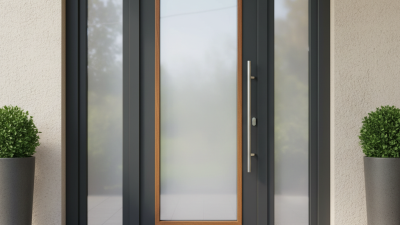
Front doors with windows can change an entry in a practical, visible way. Daylight falls across the foyer. A clear glass panel can also expose the hallway, so privacy deserves as much attention as appearance. The right choice depends on glass placement, frame material, climate, and how the door meets the threshold.

Architect Frank Lloyd Wright wrote, “The space within becomes the reality of the building.” His architectural perspective offers a useful lens: a glazed front door affects the experience inside, not just the facade outside. Still, it is not a one-size-fits-all solution. A bright, street-facing entry may need textured or privacy glass; a shaded porch may benefit from a larger glazed area.

Industry figures can help, with limits. The 2024 Cost vs. Value report estimated a national average resale value of $4,430 for a steel entry-door replacement costing $2,355, or about 188% cost recouped. That figure covers entry-door replacement broadly, not every design of front doors with windows. It is a benchmark, not a promise. The U.S. Department of Energy also advises choosing doors with energy performance suited to local climate and installation conditions. Check the product’s performance information and ask how the glazing, weatherstripping, and frame work together.

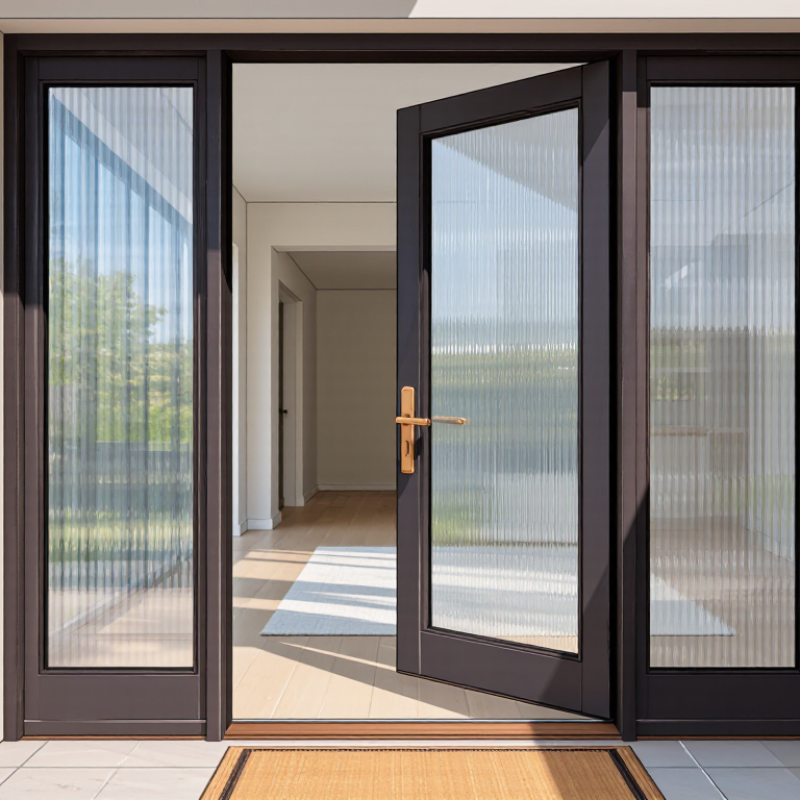
Small details count. A warm metal handle, a visible glass edge, and a tight seal can shape daily use. This guide shares seven practical tips for weighing light, privacy, efficiency, security, and style—without pretending one door suits every home.

7 Tips for Choosing Front Doors With Windows?

Understanding How Windows Affect a Front Door

Glazing changes more than a front door’s appearance. It brings daylight into a dim entryway, but it can also affect privacy, comfort, and heat flow. The U.S. Department of Energy’s Energy Saver guidance estimates that heat gain and loss through windows account for 25–30% of residential heating and cooling energy use. That figure covers household windows, not front-door glass alone, but it shows why glass choice deserves attention.

A clear panel beside a coat rack may feel bright by day and exposed at night. Light matters.

Compare the door’s National Fenestration Rating Council label, not just the glass pattern. U-factor indicates how readily heat passes through the product; lower values generally mean better insulation. Solar heat gain coefficient (SHGC) indicates how much solar heat enters, which can matter on a sunny, west-facing entrance.

Check the label. Frosted or textured glass can soften views, though it does not always provide complete privacy when interior lights are on. Look at samples in daylight and after dark, with the entry lights switched on.

I’d also check the frame, seals, and installation details; focusing only on the glass is an easy mistake. A small window may still brighten a narrow hall, while larger glazing calls for closer attention to comfort and sightlines.

Choosing Window Placement, Size, and Glass Type

Window placement affects both daylight and privacy. Before choosing a design, stand outside at the entry and check what someone can see from the path or street. A tall, narrow pane near the top can brighten the foyer while keeping faces and belongings less visible. Side panels bring in more light, but they also change the entry’s sightlines and may leave less wall space inside. Test the view. Consider where the door handle, lock, and frame sit, too; glass should not crowd the hardware or weaken the door’s construction. A qualified installer can confirm which layouts suit the opening.

Size is a trade-off, not a contest for the most glass. A broad pane can make a dim hall feel welcoming, yet it may expose more of the interior and affect insulation. Small details matter. Clear glass gives an open view, while frosted or textured glass softens visibility without blocking much light. Low-E or insulated glass can help limit heat transfer, which matters in rooms that get strong sun. In colder climates, ask about double-pane options and condensation. It is easy to focus on appearance and overlook glare at certain hours; checking the entry at different times of day can prevent that regret. The perfect balance may take a little adjusting.

Choosing Front Doors With Windows

Typical visible light transmission (VLT) ranges by glass type

Clear glass brings in the most daylight; frosted glass offers more visual privacy while still admitting light, and tinted glass reduces light and glare. Place glazing to balance daylight, privacy, and sightlines, and choose a size that suits the entry. These VLT ranges are indicative—actual values vary by product, and VLT alone does not indicate energy performance or privacy. Check product specifications and local safety-glazing requirements.

Matching the Door Design to Your Home’s Architecture

A front door with windows should feel connected to the home’s architecture, not added as an afterthought. Study the roofline, exterior trim, and nearby window shapes before choosing a glass pattern. A craftsman-style home may suit divided panes and solid-looking panels. A modern facade often pairs better with a clear, narrow vertical window or one broad pane. Keep proportions in mind. Oversized glass can make a traditional entrance feel too delicate, while tiny panes may look fussy on a simple exterior.

Look for details already repeated on the house. Sidelights, porch posts, and window muntins can help guide the door’s glass layout. The frame color and hardware can echo existing accents, though an exact match is not essential. A subtle contrast may feel more natural. Consider daylight in the foyer and how much privacy the entry needs. Textured or frosted glass softens views while still admitting light. Check the design from the sidewalk, not just on a screen; proportions are easy to misjudge in a product image. Before ordering, compare measurements with the facade and confirm the door swing and clearances with a qualified installer. A lovely pattern still has to work every day.

7 Tips for Choosing Front Doors With Windows: Matching the Door Design to Your Home’s Architecture

Tip Architectural Style Door and Window Design Materials and Finish Practical Considerations
1. Follow the home’s defining lines Colonial and Georgian Choose a balanced, symmetrical layout. A rectangular door with evenly arranged glass panes or narrow sidelights can complement the orderly façade. Painted wood or a wood-look finish in a restrained, traditional color. Compare the door’s proportions with nearby windows and trim so the entrance feels consistent rather than oversized or visually busy.
2. Keep ornamentation simple Craftsman and bungalow Consider a solid lower panel with divided-light glazing above, or small upper windows that echo the home’s existing window patterns. Wood or a wood-look finish with visible grain; use colors that coordinate with the porch and exterior trim. Check that the glass grid and panel details relate to other exterior details, such as porch railings and window muntins.
3. Emphasize clean geometry Modern and contemporary Use a simple slab-style door with a tall, narrow glass insert or a clean horizontal glazing arrangement. Smooth-finish wood, fiberglass, or steel; choose a limited palette that suits the façade. Confirm that the glazing layout, hardware, and door frame share the same visual direction and do not add unnecessary decorative detail.
4. Choose a welcoming, light-filled entrance Cottage and farmhouse A glazed upper section, modest panes, or sidelights can bring daylight into the entry while keeping the overall design relaxed. Painted wood or fiberglass in a color that complements siding, porch elements, and trim. Consider privacy from the street; textured, patterned, or partially obscured glass can admit light while reducing clear views indoors.
5. Match the door to the surrounding masonry Brick, stone, and traditional European-inspired homes Select a proportionate door with restrained glazing, such as small upper panes or narrow sidelights, to balance substantial exterior materials. Wood or fiberglass in a finish that coordinates with the brick, stone, and mortar tones. Take the depth and color of the entry surround into account; a sample viewed outdoors can help reveal how colors change in daylight.
6. Coordinate glass with the existing windows Homes with distinctive or repeated window patterns Echo the shape, division, or orientation of nearby windows without copying every detail. Keep the door glazing proportionate to the entry. Choose a door material and finish that works with the window frames and exterior trim. Window grids are often decorative, so check whether the existing pattern is between glass panes, applied to the surface, or part of the sash before matching it.
7. Balance daylight, privacy, and energy needs Any architectural style Choose the amount and placement of glass based on the entry’s exposure and desired visibility; sidelights can provide additional daylight where space allows. Select glazing and a door assembly suited to the local climate and the home’s performance requirements. Review the door’s published energy-performance information, weatherstripping, and installation requirements. Local codes and conditions may affect the appropriate glazing and safety features.

Balancing Natural Light, Privacy, Security, and Energy Efficiency

Tip 1: Decide where daylight matters most. A glazed panel can brighten a dim entry, while a narrow sidelight may bring in light without exposing the whole hallway. Notice what passersby can see from the street. Tip 2: Choose glass for your privacy needs. Textured or frosted glazing softens views but still lets daylight through. Check a sample at different times of day; some finishes look more transparent at night, with indoor lights on.

Tip 3: Treat security as a complete system. Consider impact-resistant glazing, a well-fitted frame, and a quality deadbolt rather than relying on glass alone. Ask a qualified installer how the door and frame will be secured together. Small details matter. Tip 4: Check energy performance. Look for insulated glazing and effective weatherstripping, and confirm that the door suits your local climate. A draft near the threshold can undermine an otherwise efficient choice.

Tip 5: Balance beauty with daily use. Strong afternoon sun may create glare or fade nearby flooring, so consider a porch overhang or a smaller glazed area. Tip 6: Compare the view from inside and outside before ordering. Tip 7: Don’t assume more glass is always better. It is easy to focus on a bright showroom sample and overlook nighttime privacy or winter drafts. A measured choice may feel less dramatic, but work better every day.

Checking Materials, Installation, and Long-Term Maintenance

A front door with windows needs to balance daylight, privacy, and weather protection. Compare materials in the conditions your entrance actually faces. Fiberglass resists moisture and usually needs little upkeep, while wood may need periodic refinishing. Steel can be durable, but scratches should be repaired before rust develops. Check the glass rating, too; insulated, low-emissivity glazing can help limit heat loss. Small details matter.

Installation affects performance as much as the door itself. Ask how the installer will flash and seal the frame, especially above the glass and along the threshold. A poorly sealed joint can let water reach hidden framing. Have the opening measured carefully, and check that the finished door swings freely and latches without force. Measurements can still be off, so confirm them before ordering.

Plan for routine checks, not just occasional cleaning. Look for cracked sealant, loose hardware, soft spots, or water marks after heavy rain. Clean glass with a non-abrasive cloth, and follow the door maker’s care instructions for its finish. Repaint or reseal exposed wood when the coating begins to wear. Seasonal movement is normal, but a door that suddenly sticks deserves attention; waiting may make a small adjustment harder.