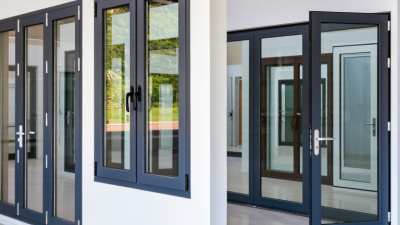
What Is the Best Type of Entry Doors and Windows?
Choosing the best entry doors and windows is less about appearance and more about measured performance. A beautiful black door can still leak cold air around its frame. A wide glass window can brighten a hallway while increasing summer heat. The right choice depends on climate, orientation, security needs, maintenance expectations, and installation quality.
The U.S. Department of Energy reports that windows can account for roughly 25% to 30% of residential heating and cooling energy use. This makes glazing performance impossible to ignore. Look for low U-factor values in cold climates, suitable solar heat gain coefficients in warm regions, and certified air-leakage ratings. ENERGY STAR guidance also indicates that replacing inefficient single-pane windows can reduce household energy bills, although actual savings vary by home design and weather conditions. The National Fenestration Rating Council provides standardized labels, helping buyers compare products beyond marketing claims.
Entry doors require the same disciplined evaluation. Fiberglass doors resist moisture and often need less maintenance than wood. Steel doors can provide strong security and stable insulation, but damaged finishes may invite corrosion. A carefully installed insulated door may outperform a premium product installed with gaps. Small details matter: compression weatherstripping, a tight threshold, insulated glass, and durable hinges.
There is no universal winner. I have seen expensive windows underperform because installers ignored flashing and drainage. That is an uncomfortable lesson. Product ratings matter, but field conditions matter more. This guide examines materials, energy ratings, security features, costs, and installation practices to identify which entry doors and windows genuinely fit different homes.
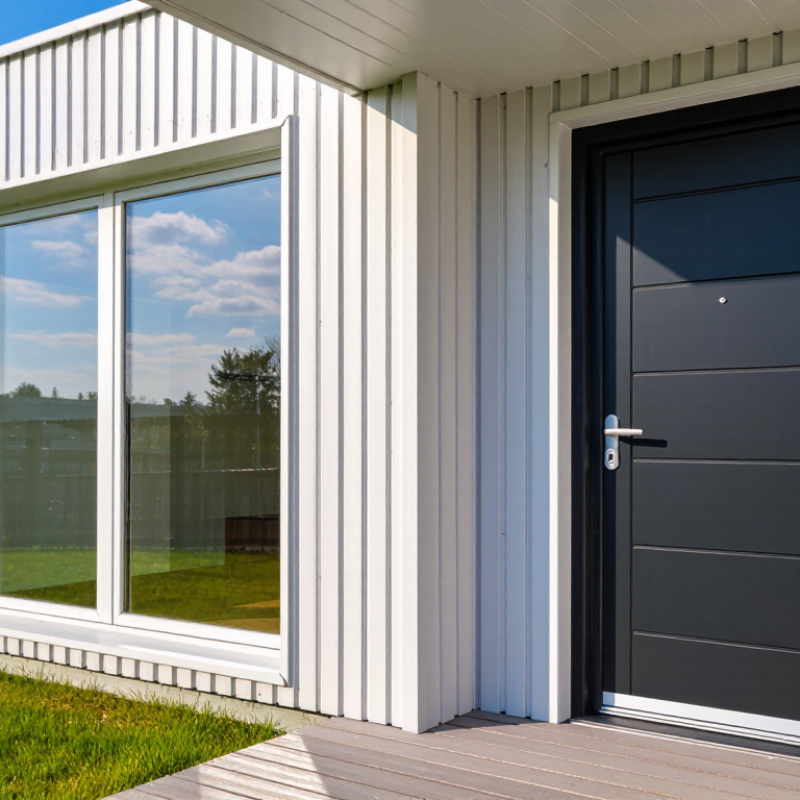
Types of Entry Doors and Windows
What Is the Best Type of Entry Doors and Windows?
Entry doors and windows shape security, daylight, ventilation, and daily comfort. Your choice should match the building’s structure, climate, and entrance traffic.
Solid wood doors offer warmth, weight, and distinctive grain. They need regular sealing, especially in humid or rainy areas. Steel doors provide strong security and resist warping, but damaged coatings may allow rust. Fiberglass doors imitate wood with less maintenance and stable performance. Not every fiberglass door feels substantial. That matters.
Windows also come in several practical types. Casement windows open outward with a crank and create effective airflow. Double-hung windows slide vertically and suit traditional rooms. Awning windows open from the bottom, helping block light rain during ventilation. Fixed windows do not open, but they deliver clear views and strong daylight. Sliding windows save exterior space, although their tracks need frequent cleaning.
Material selection is only part of the decision. Poor installation causes trouble. Gaps around a frame can invite drafts, moisture, and insects. During a site check, examine wall condition, drainage, hinge placement, and sill height. For bedrooms, confirm emergency egress requirements before choosing fixed glass. In hot climates, low-solar-gain glazing may reduce indoor heat. In colder regions, insulated glass can improve comfort near the opening.
A design can look ideal on paper yet feel inconvenient after installation. Test the handle height, opening direction, and cleaning access before ordering. Small details often decide whether the door or window remains practical for years.
What Is the Best Type of Entry Doors and Windows?
Comparison of representative whole-unit U-factors for common entry door and window types. A lower U-factor indicates better resistance to heat transfer and generally better insulating performance.
Insulated fiberglass and steel doors typically provide strong thermal performance, while window efficiency depends heavily on glazing, frame design, and low-emissivity coatings. The values shown are representative midpoints of commonly published performance ranges; actual results vary by construction and certified product rating.
Key Materials and Their Performance Characteristics
What Is the Best Type of Entry Doors and Windows?
Key Materials and Their Performance Characteristics
The best entry door and window material depends on climate, exposure, security needs, and maintenance tolerance. In renovation inspections, I have found that installation quality often matters as much as the material. A premium frame performs poorly when water enters around an uneven opening. Measure carefully. Check flashing.
Fiberglass doors resist swelling, denting, and temperature changes, making them dependable in damp or hot regions. Steel doors offer strong security and good value, but scratched coatings can rust if neglected. Solid wood provides warmth and repairability, yet it needs regular sealing, especially near direct rain. I still hesitate to call one material universally best. That answer ignores local weather.
For windows, vinyl frames usually provide practical insulation and low maintenance. Aluminum frames are slim and durable, but standard aluminum can conduct heat quickly; thermal breaks improve performance. Wood frames insulate well and look natural, though exterior protection requires discipline. Low-emissivity glass, insulated glazing, and proper seals can reduce drafts and solar heat. Compare U-factor, solar heat-gain coefficient, and air-leakage ratings rather than trusting appearance alone.
During selection, inspect corner joints, drainage paths, and sill height. Small details matter. A qualified installer should explain these numbers and document the final fit.
Design, Energy Efficiency, and Security Considerations
What Is the Best Type of Entry Doors and Windows?
The best entry door balances appearance, energy performance, and controlled access. A solid insulated door can reduce drafts around busy hallways and shaded porches. Fiberglass resists moisture well, while steel provides strong resistance against forced impact. Wood offers warmth and character, but it needs regular sealing in wet climates. Measure the opening carefully. A beautiful door performs poorly when the frame is uneven.
Windows require equal attention. Low-emissivity glass can limit summer heat and winter heat loss. Double glazing suits many moderate climates, while triple glazing may help in colder regions. Check the U-factor and solar heat gain coefficient before choosing a window. Lower U-factor values generally indicate better insulation. However, very efficient glass can reduce useful winter sunlight. That trade-off deserves consideration.
Security depends on more than a thick door. Use a reinforced frame, long fasteners, and a properly protected strike area. Laminated glass can delay breakage near locks and handles. Multi-point hardware may improve resistance, but poor installation can weaken any system. Weatherstripping should compress evenly without making the door difficult to close. Small gaps matter. During a site inspection, test the latch, observe daylight around the frame, and check drainage paths. I would not choose appearance alone, although it is tempting. Local weather, building requirements, ventilation, and emergency access should guide the final decision.
Comparing Costs, Maintenance, and Long-Term Value
What Is the Best Type of Entry Doors and Windows?
Comparing Costs, Maintenance, and Long-Term Value
For many homeowners, the cheapest quote is not the lowest long-term cost. A steel entry door often costs less than solid wood and resists warping, dents, and moisture. However, scratches may expose its protective layer. Fiberglass usually costs more, but it keeps a stable shape through seasonal temperature changes. In window replacements, vinyl frames need little maintenance, while wood frames offer warmth and repairability. Installation quality can change the result dramatically. My own first comparison focused too heavily on purchase price. That was a mistake.
Energy performance deserves careful attention. Look for tested air leakage, water resistance, and insulation ratings, not just attractive glass. Low-maintenance materials reduce painting and sealing expenses, but they may be harder to repair after severe damage. Wood needs regular inspection, especially around the threshold and lower window rails. I have seen neglected finishes turn a manageable repair into a costly replacement. Still, premium materials do not guarantee value. Poor flashing can defeat an excellent window. A qualified installer should explain drainage, fasteners, and local climate concerns clearly.
Tips: Request itemized quotes for products, removal, flashing, trim, labor, and disposal. Ask about maintenance intervals and repair options. Check the warranty language carefully. A beautiful door can still perform poorly when installation details are ignored.
How to Choose the Best Entry Doors and Windows for Your Home
Choosing entry doors and windows starts with your home’s climate, structure, and daily use. A solid door may improve security, but it should also open smoothly after years of seasonal movement. Fiberglass resists moisture well, while wood offers warmth but needs regular sealing. Steel can feel strong, although exposed edges may eventually show rust.
Measure every opening carefully, including the frame, sill, and surrounding wall. Small errors can cause drafts, water leaks, or difficult installation. For windows, compare glass performance, frame strength, ventilation, and visible light. In a rainy area, look for sloped sills and reliable drainage paths. In a cold climate, insulated glass and tight weatherstripping deserve more attention.
I have learned that appearance can mislead. I once preferred a narrow glass panel because it looked elegant, but it reduced privacy and increased afternoon heat. That choice needed reconsideration. Security also depends on the complete system, including locks, hinges, frames, and proper installation. Check independent energy ratings and follow the manufacturer’s installation instructions. Local building requirements may affect size, safety glass, and emergency access. Ask an experienced installer to inspect unusual openings before ordering. Measure twice. Then question the design again.
What Is the Best Type of Entry Doors and Windows? - How to Choose the Best Entry Doors and Windows for Your Home
| Category | Type | Main Advantages | Typical Thermal Performance | Maintenance | Expected Service Life | Relative Cost | Best Use |
|---|---|---|---|---|---|---|---|
| Entry Doors | Insulated Fiberglass | Resists dents, moisture, warping, and temperature changes; can imitate wood grain. | Good to very good; insulated cores reduce heat transfer. | Low; occasional cleaning and hardware inspection are usually sufficient. | Approximately 20–40 years with proper installation and care. | Medium | Most climates and homeowners seeking a balance of efficiency, security, and low maintenance. |
| Insulated Steel | Strong, secure, stable, and generally more affordable than solid wood or premium fiberglass. | Good when the door has a continuous insulated core and well-sealed edges. | Low to medium; exposed scratches should be repaired to help prevent corrosion. | Approximately 15–30 years, depending on exposure and finish quality. | Low to medium | Security-focused entrances, utility areas, and locations where budget and durability are priorities. | |
| Solid Wood | Natural appearance, repairability, and strong design flexibility. | Variable; performance depends on wood species, thickness, weatherstripping, and storm exposure. | High; requires periodic sealing, painting, or staining, especially in damp climates. | Approximately 20–60 years when protected and maintained correctly. | Medium to high | Traditional, historic, or design-led homes where appearance and material authenticity are important. | |
| Windows | Vinyl | Affordable, moisture-resistant, and available with insulated multi-chamber frames. | Typical double-glazed U-factor: about 0.25–0.40 Btu/h·ft²·°F; lower is better. | Very low; does not require painting. | Approximately 20–40 years, depending on climate and installation. | Low to medium | Most replacement projects where energy efficiency, affordability, and easy maintenance matter. |
| Fiberglass | Strong, dimensionally stable, low expansion, and suitable for large openings. | Typical double-glazed U-factor: about 0.20–0.35 Btu/h·ft²·°F. | Low; painted finishes may eventually need refinishing. | Approximately 30–50 years with quality installation. | Medium to high | High-performance homes, wide windows, and climates with significant temperature variation. | |
| Wood | Excellent appearance, natural insulation, and the ability to be repaired or refinished. | Typical double-glazed U-factor: about 0.25–0.35 Btu/h·ft²·°F. | High; exterior surfaces need regular paint or stain maintenance. | Approximately 30–60 years when protected from persistent moisture. | High | Period homes, premium renovations, and projects where traditional appearance is a primary consideration. | |
| Aluminum with Thermal Break | Slim frames, high structural strength, and strong resistance to moisture and insects. | Typical double-glazed U-factor: about 0.30–0.50 Btu/h·ft²·°F; thermally improved frames perform better. | Low; finish quality and frame design are important in coastal environments. | Approximately 30–50 years with appropriate maintenance. | Medium to high | Modern architecture, large glazed areas, and designs requiring narrow, rigid frames. |
Related Posts
-
10 Best Doors and Windows Suppliers for Global Buyers
-
2026 Best Entry Doors and Windows for Global Buyers
-
The Ultimate Guide to Choosing the Perfect Entry Doors and Windows for Your Home
-

Elevate Your Home Aesthetics with Professional Doors Installed Service
-
2026 Top Exterior Doors What Are the Best Types?
-
How to Choose the Best Entry Doors and Windows for Your Home?