Login

Skyview  >  Login

Best Wooden Windows and Doors Suppliers in China?

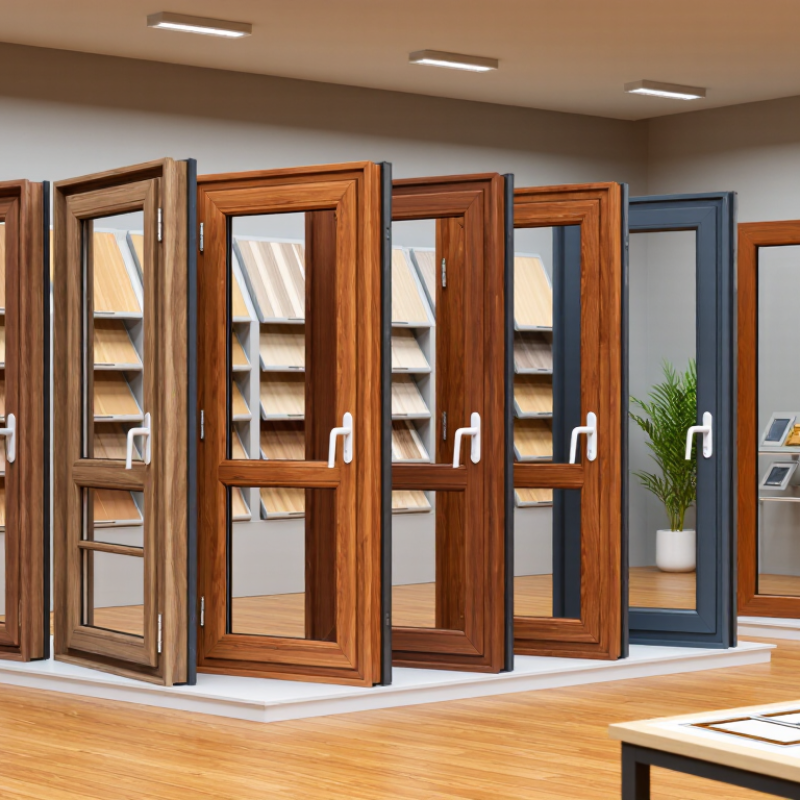
Choosing a supplier for wooden windows and doors in China involves more than comparing prices or polished showroom photos. Buyers should examine timber species, moisture control, joinery, glazing options, coating systems, and documented quality checks. Ask how each frame handles seasonal movement, rain exposure, and repeated opening. Details matter. A neat corner sample can reveal more than a broad catalogue.

Timber architect Michael Green’s work promotes thoughtful use of wood in building. A fair paraphrase of that approach is: “Good timber design respects the material, not just its appearance.” That principle also applies to windows and doors. Request product drawings, finish samples, production timelines, and clear packing details. If possible, inspect a finished unit or arrange an independent factory review. Confirm who handles installation guidance and after-sales questions. A low quote may leave important specifications unclear.

This guide introduces notable Chinese suppliers and practical ways to assess them. It considers product range, customization, manufacturing transparency, communication, and export experience. No single supplier suits every project. A coastal renovation, a quiet courtyard home, and a commercial development place different demands on frames and finishes. Even a careful checklist has limits; samples cannot fully predict years of weather exposure. Ask direct questions, compare like-for-like specifications, and leave room for a second look before placing an order.
Best Wooden Windows and Doors Suppliers in China?

Understanding China’s Wooden Window and Door Industry

China’s wooden window and door industry serves both standard building projects and custom orders. Manufacturers vary in scale, equipment, and specialization, so “made in China” does not describe one consistent level of quality. Some workshops focus on solid timber joinery; others combine engineered wood, glazing, and factory-applied finishes. Details matter.

For buyers, specifications should go beyond appearance. Ask which timber species and construction are used, how moisture is controlled, and what finish protects exposed edges. Request a sample and check corner joints, surface consistency, hardware operation, and dimensions. A polished sample can still conceal uneven production, so confirm that quality checks apply to the full order.

Climate fit deserves attention. A frame suited to a dry interior may perform differently in a humid or coastal setting. Discuss drainage, seals, glazing, and finish maintenance with the supplier, and request test documents for the exact product configuration rather than a similar model. Packaging also matters: damaged corners or trapped moisture can undermine careful manufacturing. Even experienced buyers can overlook this. Clear drawings, agreed tolerances, and written inspection points make comparisons more reliable, though no checklist replaces checking the finished goods.

Key Criteria for Evaluating Suppliers

Supplier evaluation should start with verifiable performance, not showroom polish. The IEA’s Energy Efficiency 2023 report estimates that buildings use about 30% of global final energy. Request whole-window U-factor, air-leakage, water-penetration, and wind-load results. Match each report to the quoted frame, glazing, hardware, and dimensions. Small details matter. Different glass can change the result.

UNEP’s 2023 Global Status Report attributes 37% of global energy- and process-related CO₂ emissions to buildings and construction in 2021. Durability and repairability are relevant, not decorative extras. Ask for timber species, moisture-content limits, kiln-drying records, coating specifications, and batch traceability. Request third-party laboratory reports and confirm their test methods suit the destination market. A certificate alone proves little if its scope excludes the product being supplied.

Then evaluate process control. Visit the production floor, or arrange an independent audit, and inspect corner joints, drainage paths, seals, and finish consistency. Ask how nonconforming units are recorded and corrected. This is where supplier claims can become less tidy. Review packaging, replacement-part availability, warranty exclusions, and lead-time history in writing. Speak with recent project references, especially about post-installation service. A polished sample is useful, but it cannot reveal how the tenth shipment will perform.

Best Wooden Windows and Doors Suppliers in China? — Key Criteria for Evaluating Suppliers
Evaluation Criterion Suggested Weight What to Evaluate Evidence to Request Potential Warning Signs
Product quality and testing 22% Check joinery, dimensional consistency, finish quality, hardware installation, glazing options, and performance requirements for the intended climate and building type. Product samples; inspection records; test reports relevant to the destination market and the specific window or door configuration. Reports that do not match the quoted product, unexplained changes in specifications, or refusal to provide samples or inspection access.
Standards and regulatory compliance 15% Confirm that products can meet applicable building, safety, energy-efficiency, and labeling requirements in the destination market. Current certificates and test reports, including the issuing body, product scope, test method, and validity details where applicable. Expired or unverifiable documents, certificates covering a different product, or claims of universal compliance without supporting evidence.
Manufacturing capability 14% Assess production equipment, process controls, quality checks, capacity, lead-time planning, and ability to maintain consistent specifications across orders. Factory audit or video walkthrough; production workflow; quality-control checkpoints; recent, comparable project references. Unclear production location, inconsistent answers about capacity, or dependence on unapproved subcontractors.
Customization and technical support 12% Evaluate the supplier’s ability to work from drawings and schedules, confirm measurements, advise on hardware and glazing, and manage revisions. Shop drawings; written specification review; sample approval process; documented change-control procedure. Dimensions or material choices left undocumented, or production starting before drawings and samples are approved.
Timber sourcing and material control 10% Review declared wood species, grade, moisture-control process, traceability, and the suitability of materials and finishes for the intended use. Material specifications; sourcing or chain-of-custody documents when required; moisture-control and finishing procedures. Unspecified species or grade, unsupported sustainability claims, or material substitutions without prior approval.
Export packaging and logistics 10% Check protective packaging, shipment planning, export-document experience, delivery terms, and the process for handling transit damage. Packaging specifications; sample shipping documents; written delivery schedule; agreed responsibilities for freight and insurance. Vague delivery terms, inadequate protection for finished surfaces or glazing, or no documented damage-claim process.
Warranty and after-sales service 9% Review warranty coverage, exclusions, response times, spare-parts availability, and procedures for defects or installation-related issues. Written warranty; claims process; service contact details; confirmation of available replacement components. Verbal-only promises, unclear exclusions, or no practical method for resolving issues after delivery.
Commercial transparency 8% Compare quotation detail, payment terms, tooling or sample charges, currency, delivery scope, and procedures for price or specification changes. Itemized quotation; clear contract and payment schedule; written list of inclusions, exclusions, and change conditions. Unitemized pricing, pressure to make undocumented payments, or inconsistent company and payment details.
Total suggested weighting 100% Use the weighting as a comparison framework and adjust it to the project’s destination market, product type, and risk priorities.

Evaluation note: These are suggested procurement criteria, not a ranking of named suppliers. Verify documents and claims independently, and compare suppliers using the same product specifications and project requirements.

Common Supplier Types and Product Specialties

China’s wooden-window and door market includes factory manufacturers, export-oriented trading companies, and smaller custom joinery workshops. Factory manufacturers often handle repeat orders, machining, coating, and packing under one roof. Trading companies may combine products from several factories, simplifying communication but making production control less visible. Custom workshops suit unusual sizes, traditional profiles, or small project runs. Scale varies. Ask who makes each component, not just who issues the quotation.

Product specialties also differ. Some suppliers focus on solid hardwood frames; others use engineered timber to improve dimensional stability. Timber-aluminium-clad units add exterior weather protection, while interior doors may emphasize veneer selection, panel details, or acoustic cores. Check the stated wood species, moisture range, corner-joint construction, coating system, glazing options, and hardware compatibility. Request a finished sample and section drawing. A smooth sample is useful, but it cannot show how a full shipment will perform. Ask for production photos, inspection records, packaging details, and clear written tolerances. Small details count. Compare like with like, especially when quotations list different glass, finishes, or installation accessories. Some specifications remain unclear until questioned; that is a reason to pause, not assume.

Comparing Materials, Certifications, and Customization Options

When comparing wooden window and door suppliers in China, look beyond species names and glossy showroom photos. Ask whether the quoted timber is pine, oak, meranti, or another species, and whether it is kiln-dried. Moisture content matters: poorly controlled timber can shrink, swell, or twist after installation. Request written tolerances and a sample with the same finish and joinery as the order.

Certifications need careful checking. A supplier may provide an ISO 9001 certificate, timber sourcing documents, or test reports for air leakage, water penetration, and wind resistance. Confirm that each document is current and covers the factory, product type, and testing scope you need. A certificate alone does not prove that every production batch performs equally. Ask for recent inspection records and clarify how defects are handled.

Customization is where quotes can differ sharply. Compare available frame profiles, glazing thickness, opening direction, hardware, paint colors, and screen options. Send a dimensioned drawing, then ask the supplier to confirm details such as sill depth and drainage slots. Samples can mislead. A small finish chip may look smooth, while a full frame reveals uneven grain or color variation. It is worth checking both before approving production.

Best Wooden Windows and Doors Suppliers in China?

Comparing Materials, Certifications, and Customization Options

Indicative timber density ranges at approximately 12% moisture content; actual values vary by species, grade, and source. Density is a material reference, not a quality score. When comparing suppliers, assess timber species alongside FSC or PEFC chain-of-custody documentation, product testing, and available customization options.

How to Verify and Select a Supplier in China

Choosing a wooden window or door supplier in China starts with evidence, not a polished catalogue. Ask for the factory’s registered business details, production address, and a live video walk-through. Look for the actual woodworking, sanding, finishing, and assembly areas. A trading office may be useful, but confirm who controls quality at the factory. Details matter. Request a sample made to your specifications, then check dimensions, corner joints, finish consistency, hardware, and glazing. Ask how the supplier controls timber moisture; a written range and measurement record are more useful than a verbal promise.

Verify test reports against the exact product, material, and configuration you plan to order. Requirements differ by destination, so confirm what applies with a qualified local professional. Ask for recent customer references and, where practical, arrange an independent pre-shipment inspection. Compare quotations line by line, including wood species, coating system, packaging, lead time, and replacement terms. A low price can conceal thinner sections or omitted hardware. I would not treat one attractive sample as proof of consistent production; that shortcut is tempting. Even capable suppliers can miss a detail, so record approved drawings, tolerances, and finish samples in the purchase agreement. Check that the supplier accepts these written specifications before paying a deposit.