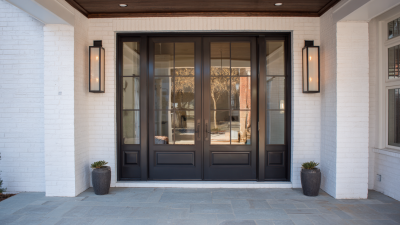
How to Choose the Best Doors and Windows for Your Home?
Choosing the best doors and windows for your home can be daunting. These essential elements not only enhance the aesthetics but also contribute to security and energy efficiency. The right choice reflects your personal style and meets practical needs. Consider the materials—wood, fiberglass, or vinyl. Each has its benefits and downsides.
Doors and windows can significantly affect your home's comfort. Proper insulation is key to keeping energy bills low. A poorly chosen window can lead to drafts and high energy costs. Consult experts to help guide your decision. Experienced professionals will provide insights based on your home’s layout and local climate.
Your choices should balance style, durability, and functionality. Take time to explore different options. Pay attention to details like frame design and glass type. Regular maintenance and installation quality also play a critical role. Reflect on your needs, and don’t rush this important decision. A thoughtful approach will lead to a more welcoming and efficient home.
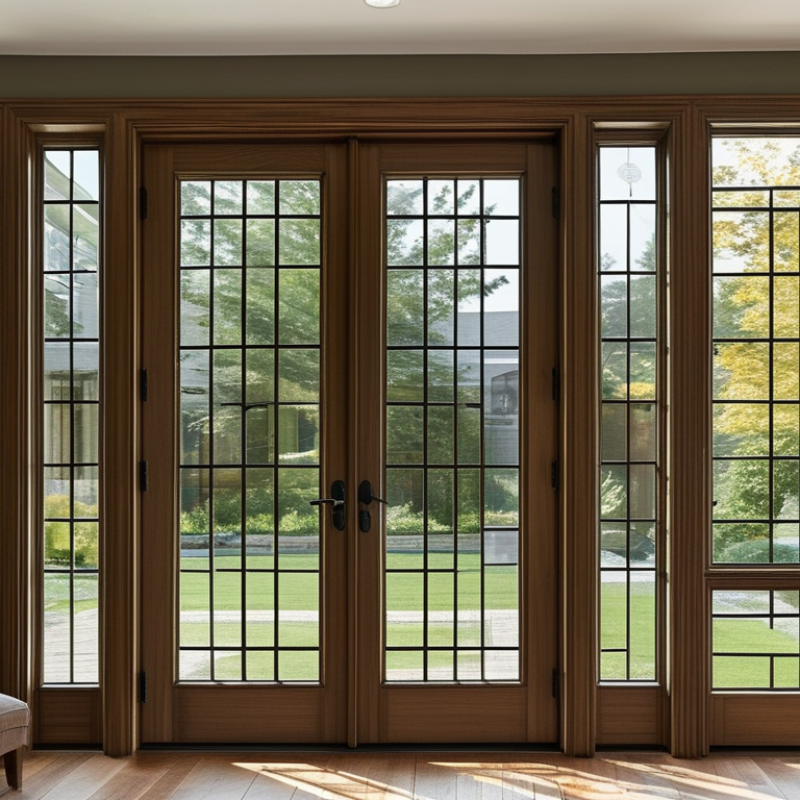
Factors to Consider When Selecting Doors and Windows for Your Home
Choosing the right doors and windows for your home requires careful consideration. Begin with materials. Wooden frames offer warmth but need regular maintenance. Vinyl windows are low maintenance and energy-efficient. Think about the style as well. Your choice should complement your home’s architecture. A mismatched style can disrupt the overall look.
Consider energy efficiency next. Look for double or triple-glazed options. These can significantly reduce heating and cooling costs. Check for energy ratings. A high rating indicates better insulation. Security is also vital. Reinforced doors and multi-point locking systems can enhance safety. Lastly, size matters. Custom sizing may be necessary if existing frames do not fit. This can add to the budget. Reflect on these factors before making a final decision. Each choice shapes your home's comfort and appeal.
Factors to Consider When Selecting Doors and Windows for Your Home
Understanding Different Types of Doors and Their Benefits
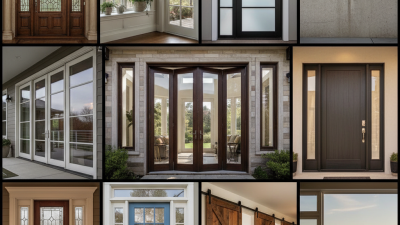
When selecting doors for your home, understanding the different types is key. Each door offers unique benefits. For instance,
fiberglass doors are known for their durability and low maintenance.
According to the American Architectural Manufacturers Association, fiberglass is resistant to dents and can even mimic the look of wood.
This makes it a great option for homeowners who want aesthetics without sacrificing strength.
Steel doors also hold a prominent position in the market. They provide excellent security and can offer better insulation compared to wooden doors.
The U.S. Department of Energy reports that insulated steel doors can reduce energy bills by up to 10% in the long run.
However, they may show scratches more easily than other materials, requiring occasional care.
Windows, too, come in various styles and materials. Vinyl windows are popular for their thermal properties and cost-effectiveness.
However, they can fade over time and may require replacement sooner than other options. Wood windows offer classic beauty but demand more maintenance.
At the end of the day, the best choice combines aesthetics, durability, and functionality,
all while considering the geographical climate and energy efficiency needs of the household.
Exploring Window Styles and Their Impact on Natural Light
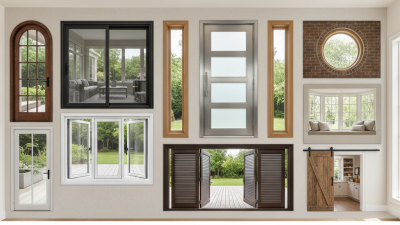
Choosing the right window style can significantly influence the amount of natural light entering your home. When selecting windows, consider the size and shape that best fit your living space. Large, floor-to-ceiling windows can flood a room with light, creating an inviting atmosphere. However, they may also limit privacy and increase heat loss in colder months. Smaller windows can provide a cozy feel but may restrict brightness.
Different styles offer unique advantages.
Casement windows, hinged at the side, can open wide to let in fresh air.
Picture windows provide a clear view while allowing sunlight to pour in. These options require careful placement to maximize light.
However, it's crucial to balance aesthetics and functionality with insulation properties. A beautifully designed window should not compromise energy efficiency.
Transoms and clerestory windows are great for bringing light into specific areas, like hallways or staircases. They can enhance the visual appeal while being practical. Remember to think about the window's orientation as well; south-facing windows will gather more sunlight while east and west-facing may offer harsh glare at certain times. It's all about personal needs and environmental considerations. Finding the right style may involve some trial and error, but the right choices can ultimately enhance both the beauty and energy efficiency of your home.
Choosing Materials: Wood, Vinyl, Fiberglass, and More
When choosing materials for doors and windows, each option presents unique benefits. Wood stands as a classic choice, offering warmth and beauty. Its natural aesthetic complements traditional and modern designs alike. However, wood requires regular maintenance to prevent warping and decay. You need to factor in the climate of your area.
Vinyl is another popular material, appreciated for its durability and low maintenance. Available in various colors, vinyl resists fading and cracking. It's also energy-efficient, making it ideal for homeowners aiming to reduce energy bills. However, some find it less visually appealing compared to wood.
Fiberglass is robust and energy-efficient, providing excellent insulation. This material can mimic the appearance of wood while resisting the elements. It’s important to evaluate the upfront cost versus longevity. Each material has its strengths and weaknesses, which sometimes leads to difficult decisions. Choosing the right material ultimately depends on your priorities and lifestyle.
How to Choose the Best Doors and Windows for Your Home?
| Material Type |
Durability |
Maintenance |
Energy Efficiency |
Cost |
| Wood |
High |
Moderate |
Good |
$$$ |
| Vinyl |
Moderate |
Low |
Very Good |
$$ |
| Fiberglass |
Very High |
Low |
Excellent |
$$$$ |
| Aluminum |
High |
Low |
Moderate |
$$$ |
Evaluating Energy Efficiency Ratings for Doors and Windows
When selecting doors and windows, energy efficiency ratings are paramount. These ratings inform you about the performance of products in various climates. According to the U.S. Department of Energy, windows can account for up to 30% of home energy use. Therefore, understanding the ratings, like U-factor and Solar Heat Gain Coefficient (SHGC), becomes crucial. A U-factor of 0.30 or lower is generally recommended for regions with cold climates. For warmer areas, a lower SHGC ensures more effective cooling.
Here are some tips: Look for the ENERGY STAR label, which signifies better energy performance. Research local climate zones to pick suitable products. Furthermore, multiple glazing can enhance insulation, but consider the trade-off in costs. Double-glazed windows can reduce energy bills significantly, yet their initial price may be higher.
It's essential to balance cost with efficiency. Not all energy-efficient options are affordable for everyone. Cutting corners may save money today, but it could lead to higher energy bills later. Always consider long-term savings against upfront costs to make informed decisions. Paying attention to these details ultimately influences your comfort and energy expenses.