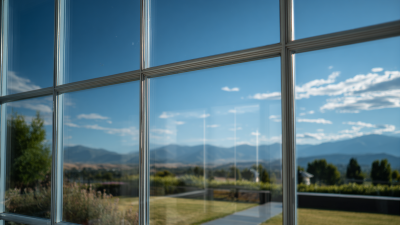
How to Choose the Best Aluminum Windows in 2026
Choosing the best aluminum windows in 2026 means looking beyond a slim frame and a polished finish. Glass performance, thermal breaks, weather seals, hardware, and installation all shape comfort and long-term value. Building-science expert Joseph Lstiburek is associated with this principle: “The perfect wall is one that can be built anywhere, anytime, by anyone.” For windows, the lesson is practical: even a well-made product can underperform when it is poorly matched to the building or badly installed.
Start with your climate and the room’s exposure. A west-facing window may need stronger solar control than one shaded by a porch. Compare documented U-factors and solar heat gain coefficients, and check that the figures apply to the exact glass and frame configuration you are considering. Look closely at corner joints, drainage paths, locking points, and the feel of the operating sash. Details matter. Ask who will install the units, how the opening will be sealed, and what the warranty excludes. A low price can be tempting; replacement work is not.
This guide will help you compare frame designs, glazing options, energy ratings, finishes, security features, costs, and maintenance needs. It will also flag where a simple ranking falls short: the “best” aluminum windows for a coastal home may not suit a cold, windy site. No single specification answers everything. Use the checks that follow to ask sharper questions, weigh real trade-offs, and choose windows that fit your project—not just the brochure.
Understand Aluminum Window Types and Their Main Components
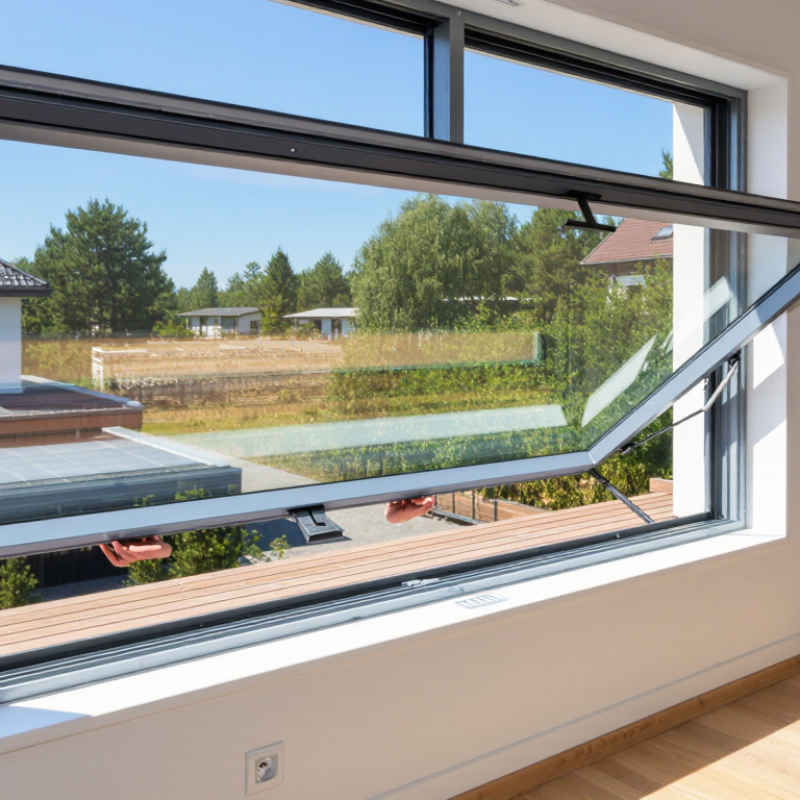
Choosing aluminum windows starts with how each unit opens. Casement windows hinge outward and often close firmly against their seals. Sliding windows save clearance, but their tracks collect dust and grit. Fixed windows bring daylight without ventilation. Awning windows can admit air during light rain. Simple differences, but they affect daily use.
Look beyond the frame. A complete window includes a frame, sash, glazing, seals, hardware, and drainage paths. A thermal break—a low-conductivity strip between the inner and outer aluminum—helps slow heat transfer. Without it, the interior frame may feel cold in winter. The U.S. Department of Energy estimates that heat gain and loss through windows account for 25–30% of residential heating and cooling energy use. That makes the glass and frame details worth checking.
For a 2026 purchase, compare the National Fenestration Rating Council label, especially its U-factor and solar heat gain coefficient. Lower U-factor generally means less heat flows through the window; the right solar gain depends on climate and window orientation. A slim frame may look elegant, but appearance alone says little about performance. Check that seals sit evenly, drainage openings remain clear, and hardware feels secure. Installation matters too, and it is easy to underestimate how much a small gap can undermine a well-rated unit.
Compare Frame Performance, Thermal Breaks, and Energy Ratings
When comparing aluminum windows, look beyond the frame’s slim profile. Ask for the whole-window U-factor, which measures heat flow; lower values indicate better insulation. The U.S. Department of Energy’s Energy Saver guidance estimates that windows account for about 25–30% of residential heating and cooling energy use. That makes frame and glazing choices worth checking closely.
A thermal break is an insulating section between the inner and outer aluminum surfaces. It helps limit heat transfer, but its presence alone does not prove strong performance. Check the National Fenestration Rating Council label for U-factor and solar heat gain coefficient (SHGC). A lower SHGC can reduce unwanted summer sun, while a higher one may help admit winter warmth in some climates. Context matters. Compare ratings for the complete window, not just the frame, and match them to your local climate and window direction. A shaded north-facing opening and a sunlit west-facing one may need different SHGC values. Also inspect corner joints, weatherstripping, and installation details; a rated window can still underperform if air leaks around its frame. Numbers help, but they are not the whole story.
Assess Glass Options, Weather Resistance, and Sound Control
For aluminum windows in 2026, compare the whole glass package, not just the frame. The U.S. Department of Energy’s Energy Saver guidance estimates that windows account for 25–30% of household heating and cooling energy use. Low-emissivity coatings and insulated glass units can help limit heat transfer, but the right choice depends on climate and orientation. A west-facing room may need stronger solar control than a shaded hallway. Check the window’s NFRC-rated U-factor and solar heat gain coefficient; lower U-factors generally indicate better insulation.
Weather resistance deserves equal attention. Ask for tested air-leakage, water-penetration, and structural ratings under the applicable AAMA/WDMA/CSA 101/I.S.2/A440 standard. Ratings should suit local wind exposure and building height, not just look impressive on a sheet. Inspect the sill design, corner seals, and drainage paths. Small details matter. I still find drainage easy to overlook when comparing attractive samples.
For sound control, look for acoustic test results, including STC and OITC ratings, rather than relying on glass thickness alone. Laminated glass, different pane thicknesses, and wider sealed air spaces may reduce particular noise frequencies. Traffic noise is often low-pitched, so OITC can be useful alongside STC. Ask whether the complete window assembly was tested; glass-only figures can overstate real-world performance. A quiet room needs careful installation, too. A tiny perimeter gap can undo a costly upgrade.
How to Choose the Best Aluminum Windows in 2026: Assess Glass Options, Weather Resistance, and Sound Control
| Window or Glass Option | Typical Thermal Performance | Weather-Resistance Considerations | Typical Sound Control | Best Suited For | What to Check Before Buying |
|---|---|---|---|---|---|
| Thermally broken aluminum frame with double glazing | Common starting point for energy-conscious homes. Whole-window U-factor varies by frame, glass, and size; compare certified NFRC ratings. | A thermal break reduces heat transfer through the frame. Performance against wind-driven rain depends on the complete window assembly, seals, drainage, and installation. | Often around STC 28–32 for standard insulating glass, but glass thickness, pane spacing, and frame design affect the result. | Many climates where a balance of cost, daylight, and insulation is needed. | Confirm the frame has a thermal break; compare whole-window U-factor and SHGC; request tested air-leakage and water-penetration results. |
| Double glazing with a low-emissivity coating | Low-E coatings can reduce heat transfer and help manage solar heat gain. The appropriate coating depends on climate, orientation, and shading. | Glass selection does not replace sound frame seals, properly designed drainage, or correct installation. | Usually similar to standard double glazing unless the glass build-up or laminated layers are also changed. | Homes seeking improved energy performance without moving to triple glazing. | Compare the whole-window U-factor and SHGC, not just the glass center-of-glass figures. Check whether the coating is suited to the window’s orientation. |
| Triple glazing | Can achieve a lower U-factor than comparable double glazing, although the exact result depends on the panes, coatings, gas fill, spacer, and frame. | Extra glass weight makes correct hardware, sash design, and installation particularly important. Water resistance still depends on the tested assembly. | May improve sound reduction, but three panes alone do not guarantee a high acoustic rating; pane thickness and spacing matter. | Cold climates, exposed elevations, or projects prioritizing insulation. | Ask for certified whole-window ratings and confirm the frame and hardware are designed for the glass weight. |
| Laminated glass or an acoustic glass build-up | Thermal performance depends on the full insulated-glass configuration; laminated glass by itself is not a substitute for an energy-efficient assembly. | Specify safety-glazing requirements where applicable. Verify that seals and glazing details are suitable for the project’s exposure. | Acoustic configurations may reach higher STC ratings than basic glazing, but performance must be verified for the complete window. | Homes near roads, railways, airports, or other significant noise sources. | Request a tested STC or OITC rating for the complete window and identify the noise type the rating addresses. |
| Impact-resistant glazing in a tested window assembly | Thermal performance varies; impact resistance does not by itself indicate energy efficiency. | For windborne-debris or severe-weather exposure, the complete window must meet the applicable local code and product approval requirements. | May provide some additional sound reduction, but do not assume a particular rating without test data. | Locations where building codes or local hazards call for impact protection. | Check local code requirements, approved product documentation, pressure ratings, and whether the tested configuration matches the proposed size and installation. |
| Casement or awning-style aluminum window | Frame and glazing determine insulation; an operable sash can perform well when it closes firmly against continuous seals. | Compression seals can help limit air and water leakage when properly adjusted. Performance varies by design and tested configuration. | A tight closure can help reduce sound leakage; the glass and installation remain important. | Rooms where ventilation and a secure, gasketed closure are priorities. | Review certified air-leakage and water-penetration data, hardware quality, seal continuity, and adjustment access. |
| Sliding aluminum window | Thermal performance depends on the frame and glass package. Sliding designs should be compared using whole-window ratings. | Track drainage, weep holes, weatherstripping, and installation details are important in exposed locations. | Sliding seals may allow more sound leakage than tightly compressed seals if the product is not well designed or adjusted. | Wide openings and locations where a window that does not swing into the room is preferred. | Inspect drainage paths and seals; check tested air and water performance for the exact operating style and configuration. |
How to compare: Ratings and performance vary by product, size, glazing, and test method. Compare certified whole-window U-factor, SHGC, air-leakage results, water-penetration performance, and acoustic ratings for the exact configuration. Confirm local code requirements and use qualified installation.
Match Window Styles and Features to Your Home and Climate
How to Choose the Best Aluminum Windows in 2026
Match the window style to how each room is used, not just the exterior look.
Sliding windows work well where outdoor space is tight, while casement styles can catch breezes when conditions allow. For a bright living room, larger fixed panes provide clear views, but they do not open for ventilation.
Small details matter. Check that locks and handles are easy to reach, especially above kitchen counters or beside furniture.
Climate should guide the glass and frame design.
In cold regions, look for thermally broken aluminum frames and glazing suited to local winter temperatures; these features can help limit heat transfer and reduce chilly interior surfaces. In hot, sunny areas, low-emissivity glass and suitable solar-control coatings can reduce unwanted heat, though the best choice depends on window direction and shade.
Coastal or storm-prone homes may need finishes and hardware rated for local exposure. Ask for performance information, including air leakage, water resistance, and wind-load ratings, rather than relying on appearance alone.
A common oversight is choosing the glass before checking the room’s orientation. Even a well-specified window can disappoint if installation leaves gaps, so review the installer’s methods and warranty carefully.
There is rarely one perfect option for every room.
Evaluate Installation, Warranty, and Long-Term Value
Choosing aluminum windows in 2026 means looking beyond the frame price. Installation quality affects comfort, water resistance, and service life. Ask who will measure and fit the units, and whether the quote includes removal, flashing, sealing, and cleanup. On site, check that frames sit square and drainage paths remain clear. A sleek frame cannot compensate for poor installation.
Tips: Request a written, itemized quote. Check the warranty for separate coverage on glass, hardware, finishes, and labor. Ask what maintenance is expected, such as cleaning tracks or inspecting seals. Keep the answers in writing; verbal promises are easy to misremember.
For long-term value, compare energy ratings suited to your climate, not just advertised savings. Look for clear specifications on glazing and thermal breaks. Also consider repairability: can a worn handle or seal be replaced without changing the whole window? Warranty terms vary, and exclusions can be easy to overlook. I would not assume the longest warranty is automatically the best; coverage, installer responsibility, and local service matter more. Leave room in the budget for small adjustments after fitting. Even careful projects can need them.
Related Posts
-
Exploring the Benefits of Aluminum Windows: A Sustainable Choice for Modern Homes
-
How to Choose the Best Aluminum Windows for Your Home Improvement Project
-

Top 5 Aluminum Clad Windows for Your Next Project?
-
Who Are the Top Windows and Patio Doors Suppliers in China?
-
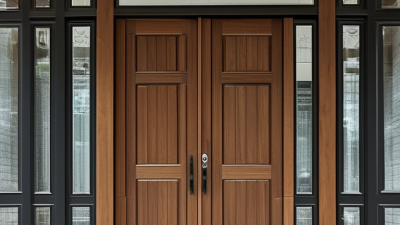
China Best Front Entry Doors How to Choose?
-

The Ultimate Guide to Choosing the Right Doors and Windows for Your Home