7 Best Aluminum Clad Wood Windows for Global Buyers
For global buyers, choosing windows is rarely a simple style decision. Aluminum clad wood windows combine a warm timber interior with a weather-resistant aluminum exterior. That pairing can suit coastal apartments, mountain homes, and modern commercial projects. Yet performance depends on more than appearance. Frame design, drainage, glass specification, coatings, and installation all matter. A beautiful sample can still fail in a wet opening. This guide introduces seven strong options for different budgets, climates, and project goals. It focuses on evidence rather than showroom language. We consider manufacturer experience, published performance data, material quality, service coverage, and installer guidance. Small details matter. Think of tight corner joints, smooth hardware, and paint that remains even in bright sun. Regional climate also changes the decision. A product suited to a dry continental city may need different protection near salt air. No single window wins everywhere.
The selections are not based only on brand recognition. They reflect practical questions buyers can verify before ordering. Does the supplier provide tested thermal values? Are replacement parts available locally? Can the exterior finish be renewed, and who handles warranty claims? These questions often reveal more than a polished brochure. We also consider customization, lead times, glazing choices, and compatibility with local building practices. Independent certification can strengthen confidence, but certificates should match the actual configuration. A window tested with one glass package may perform differently with another. That point is easy to miss. Some judgments remain imperfect. Product literature may sound complete, while installation instructions remain vague. Buyers should request drawings, sample sections, and written commitments. Compare the details. The final choice should balance durability, comfort, appearance, maintenance, and dependable support. This overview is a practical starting point, not a substitute for site review by qualified professionals.
Aluminum-Clad Wood Windows: Materials, Layers, and Service-Life Factors
7 Best Aluminum Clad Wood Windows for Global Buyers
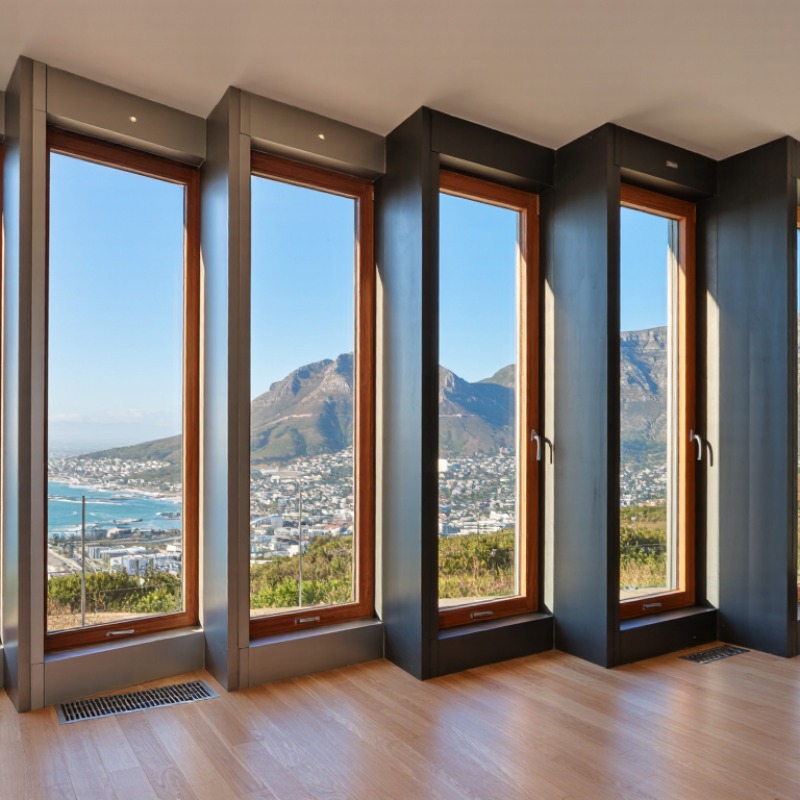
Aluminum-clad wood windows combine a warm timber interior with a weather-resistant aluminum exterior. The wood core provides insulation and a comfortable surface near the glass. The aluminum layer protects against rain, sunlight, wind, and seasonal temperature changes. Quality depends on more than appearance. Kiln-dried wood, sealed joints, and durable exterior coatings matter greatly.
Most systems use several layers: interior finish, wood frame, bonding or drainage details, and aluminum cladding. A ventilated cladding design can reduce trapped moisture. However, poor installation can still cause swelling, corrosion, or air leakage. Service life depends on climate, exposure, hardware quality, glass selection, and maintenance. Coastal buyers should check salt-spray resistance. Cold-region projects need stable seals and low-conductivity glazing. Hot climates require coatings that resist ultraviolet fading. Testing documents help, but real site conditions may differ.
Tips: Ask for section drawings, coating specifications, warranty terms, and maintenance instructions. Inspect corner joints and drainage paths before ordering. Confirm that local installers understand shimming, flashing, and expansion gaps. Do not judge durability from color samples alone. A dark finish may absorb more heat. I have seen attractive windows fail early because installation details were treated as secondary. That is an easy mistake to repeat. Timber species also deserves careful review, since stability varies between regions and suppliers.
Aluminum-clad wood windows combine a weather-resistant aluminum exterior with a stable wood interior, insulated glazing, seals, and hardware. The chart shows typical service-life ranges for major components under normal residential conditions. Actual performance depends on climate, installation quality, drainage, coating quality, ventilation, and maintenance.
Ranking Metrics: U-Factor ≤0.30, SHGC 0.25–0.40, and Air Leakage
7 Best Aluminum Clad Wood Windows for Global Buyers
The strongest aluminum clad wood windows combine a U-Factor of 0.30 or lower with durable timber interiors. This rating limits heat transfer through the frame and glass. For buyers in cold regions, a lower U-Factor can reduce winter heat loss near bedrooms and seating areas. However, glass performance alone can mislead.
The ranking favors seven window systems with SHGC between 0.25 and 0.40. This range balances daylight with unwanted solar heat. A south-facing room with strong afternoon sun may need a lower SHGC. In cooler climates, a higher value can provide useful passive warmth. Air leakage also matters. Look for independently tested results, preferably below 0.10 cfm per square foot at 1.57 psf. Poor sealing can create a cold draft beside the handle.
Installation deserves equal attention. Even an excellent window can fail when the sill pan, flashing, or perimeter seal is poorly fitted. I have seen specifications look impressive while installers ignored uneven masonry openings. That weakness should lower a product’s ranking. Buyers should request whole-window test data, not center-of-glass figures, and confirm the testing standard used. Regional weather, maintenance skills, and replacement parts can change the final choice. The “best” window is not always the highest-rated one. It is the one that keeps its measured performance after transport, installation, and years of exposure.
Seven Global Picks Compared by Glazing, Cladding, Climate, and Certification
7 Best Aluminum Clad Wood Windows for Global Buyers
Seven global picks can be compared through glazing, cladding, climate, and certification. A cold-region pick may use triple glazing, warm-edge spacers, and low-emissivity coatings. In humid coastal areas, powder-coated aluminum and sealed timber joints deserve closer attention. Hot climates often benefit from solar-control glass and deeper exterior overhangs. For noisy urban sites, laminated acoustic glass can improve comfort. The best choice depends on orientation, wind exposure, indoor humidity, and installation quality. Product data matters, but field conditions matter more.
Each pick should be checked against local performance requirements, including air leakage, water resistance, wind pressure, thermal transmittance, and safety glazing. Recognized certification can support confidence, yet certificates must match the exact profile, glass package, and factory location. A certification for one configuration does not automatically validate another. Ask for current test reports, coating specifications, timber treatment details, and warranty limits. Small omissions can become expensive.
Tips: Request a full-size corner sample before ordering. Test the opening with local installers. Inspect drainage paths and sill flashing. Coastal buyers should verify salt-spray performance, not just color durability. My practical mistake was once trusting a beautiful sample without checking the sill detail. It looked excellent. Water still found a way in. Also compare whole-window values, not glass-only figures, because frames and spacers can change the result significantly. Local climate simulation is useful, though it is never perfect.
International Standards: NFRC, AAMA/WDMA, CSA, CE, and Passivhaus Targets
7 Best Aluminum Clad Wood Windows for Global Buyers
The seven strongest aluminum-clad wood options include fixed, casement, awning, tilt-turn, sliding, lift-slide, and specialty-shaped units. The right choice depends on climate, ventilation, and installation quality. NFRC labels help buyers compare U-factor, solar heat gain coefficient, visible transmittance, and air leakage. These numbers matter in real rooms. A low U-factor can reduce heat loss beside a cold bedroom wall.
AAMA/WDMA testing evaluates air, water, structural pressure, and performance grades. Look for tested results, not broad marketing language. In Canada, CSA documentation may support local acceptance and manufacturing consistency. CE marking indicates conformity with applicable European requirements, but it does not automatically prove superior thermal performance. This distinction is often missed.
Passivhaus targets demand more than thick glass. They involve very low heat transfer, controlled airtightness, warm-edge spacers, and reduced thermal bridging. Installation must include sealed tapes, insulated gaps, and careful sill drainage. A certified frame can still perform poorly when the opening is uneven. That is an uncomfortable fact. Field inspections often find leakage around corners, not through the glass. Buyers should request full test reports, climate-specific calculations, warranty terms, and installation details. Standards improve decisions, but they cannot replace competent site work.
Buyer Checklist: Water Resistance, Warranty, Installation, Lead Time, and Cost
7 Best Aluminum Clad Wood Windows for Global Buyers
For global buyers, water resistance should lead the checklist. Ask for tested water-penetration results under AAMA/WDMA/CSA 101/I.S.2/A440 standards. A higher performance grade does not guarantee perfect installation. Flashing, sill pans, and drainage paths still matter. The U.S. Department of Energy reports that windows can account for 25–30% of residential heating and cooling energy use. NFRC-certified ratings help compare U-factor, solar heat gain, and visible transmittance across different products. Request complete test reports, not only marketing claims.
Warranty language deserves careful reading. Confirm coverage for the wood interior, aluminum cladding, glass, hardware, and factory finish separately. Check whether labor, coastal exposure, and replacement shipping are included. Lead time can change with custom colors, glazing, and overseas freight. Get a written production schedule, inspection point, and backup plan before paying a deposit. Installation should be handled by trained local professionals who understand the wall system and regional weather. This is where many “best” windows perform poorly.
Tips: Compare at least three written quotations. Record rough-opening sizes twice. Require photos before concealed flashing is covered. Leave contingency time for port delays. Cost is more than the unit price; include delivery, taxes, lifting equipment, installation, maintenance, and future glass replacement. I would not trust a low quote without a clear water-management detail. That judgment may sound cautious, but missed details become expensive later.
Related Posts
-
10 Essential Tips for Choosing Aluminum Clad Doors for Your Home?
-
Top 10 Patio Doors to Enhance Your Home's Style and Functionality?
-
10 Best Tips for Choosing Wooden Windows and Doors for Your Home
-
What are the Best Entry Doors for Home Security and Style?
-

Why Choose the Best Doors for Sliding Doors?
-
Why Choose Front Doors With Windows for Global Sourcing?