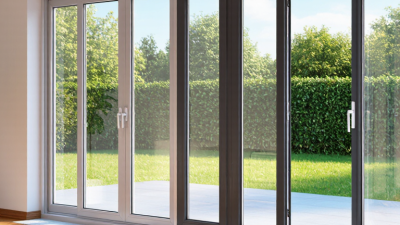
7 Best Patio Doors with Windows for Any Home?
Choosing among the 7 best patio doors with windows requires more than comparing frame colors and opening styles. A bright glass door can transform a dim living room, yet poor seals may create a cold draft near the sofa. The U.S. Department of Energy reports that windows can account for 25–30% of residential heating and cooling energy use. That figure includes large glazed openings, making patio-door performance worth serious attention.
This guide examines sliding, hinged, folding, and multi-panel designs for different homes and budgets. It considers U-factor, solar heat gain coefficient, air leakage, glass safety, threshold height, and hardware durability. The National Fenestration Rating Council explains that its labels help homeowners compare products using consistent energy-performance measurements. ENERGY STAR also recommends certified windows and doors for improved efficiency, although savings vary by climate, installation quality, and household behavior.
Installation changes everything.
A beautifully rated door can still underperform when the sill is uneven or flashing is missing. Field experience shows that water management deserves the same attention as appearance. We will also consider low-E glass, tempered glazing, screen systems, accessibility, and security details such as multipoint locks. Some choices remain subjective. A wide folding door may offer dramatic views, but it can reduce wall space and demand more maintenance. In other words, “best” depends on the room, weather, budget, and how often the opening is used. The goal is a realistic shortlist, not a perfect product that exists only in a showroom.
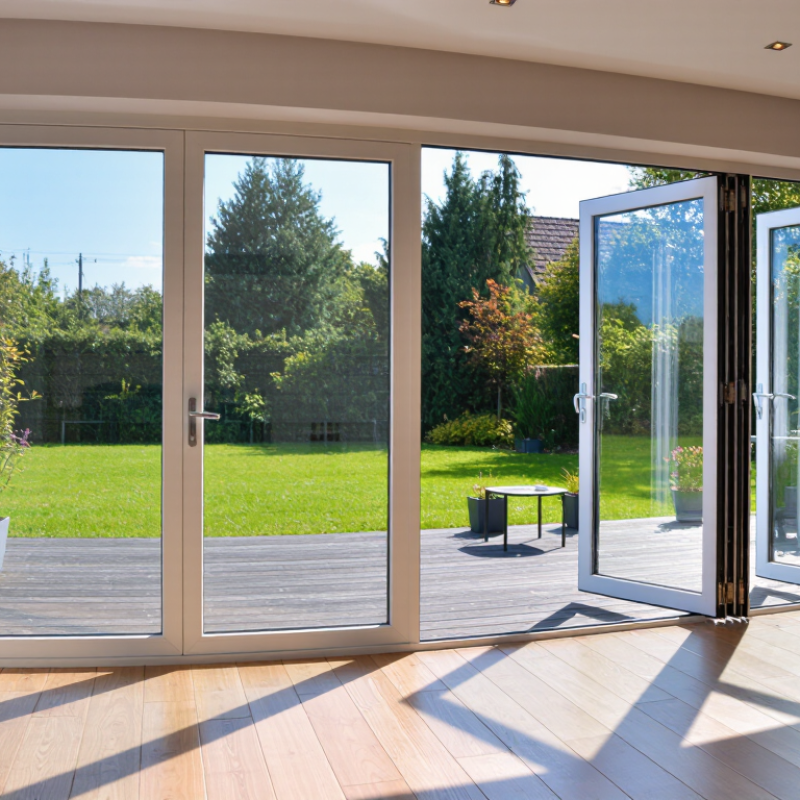
What Makes Patio Doors With Windows Ideal for Different Homes
7 Best Patio Doors with Windows for Any Home?
What Makes Patio Doors With Windows Ideal for Different Homes
Patio doors with windows bring daylight, airflow, and a clearer connection to outdoor spaces. The right style depends on the room, wall width, weather, and how often the door will open. Sliding glass doors suit compact rooms because their panels move beside each other. They preserve floor space near sofas, tables, and kitchen islands. Traditional French doors offer a balanced look and a wider opening, but they need clear swing space.
Light matters. Folding doors can open most of a wall, making them useful for entertaining and large patios. Multi-slide doors create broad views with fewer visible frames, although their tracks require careful installation. Lift-and-slide doors may improve weather sealing and operate smoothly across wide openings.
Hinged single doors work well in narrow areas, especially when a full double-door system feels excessive. Corner window doors can brighten two adjoining walls, but structural changes may increase project costs.
From my own room-planning experience, glass size is not the only concern. Low-emissivity glass can reduce heat transfer, while laminated glass may help limit noise and improve safety. Frames also matter; insulated vinyl, fiberglass, aluminum, and wood each perform differently. A sunny room may need solar-control glazing, even when the view looks perfect. I once chose a broad glass opening without checking afternoon glare. The room became uncomfortable by late summer. That mistake showed me that attractive doors still need climate-aware specifications, professional fitting, and realistic maintenance planning.
Seven Patio Door Styles That Balance Light, Access, and Privacy
7 Best Patio Doors with Windows for Any Home?
Seven Patio Door Styles That Balance Light, Access, and Privacy
Patio doors should brighten a room without making it feel exposed. The right style depends on traffic, wall space, and daily habits. Sliding glass doors offer wide views and easy operation, especially in compact rooms. Choose low-reflective glass for softer daylight. French patio doors create a traditional entrance with a generous opening. Their swing space needs careful measuring around rugs and furniture. Center-hinged doors provide a welcoming, balanced look. They work well for dining areas, but strong hinges and accurate installation matter.
Folding patio doors can open most of a wall, connecting the kitchen with a terrace. However, their tracks collect grit quickly in busy homes. Multi-slide doors stack neatly beside one wall and suit modern layouts. They can feel impressive, though the hardware may need regular adjustment. I would test the rollers in person. Small resistance becomes irritating after months of use.
Pocket patio doors disappear into the wall, preserving floor space and clean sightlines. They require precise framing and dependable drainage. Telescoping doors use several panels that slide behind one another, offering flexible ventilation and access. For privacy, consider textured, tinted, or switchable glass, but inspect samples at night. Curtains may still be necessary.
Look for secure multipoint locks, weather seals, and energy-performance ratings. A qualified installer should verify the opening, threshold height, and local building requirements before ordering.
How to Compare Materials, Glass, Energy Efficiency, and Security
Choosing among the seven best patio doors with windows starts with the frame.
Vinyl resists moisture and usually needs little maintenance. Fiberglass feels stable during temperature changes. Wood offers warmth, but it needs regular sealing. Aluminum provides slim sightlines, though poor insulation can create cold interior edges. Clad frames balance appearance and durability, but quality varies.
Glass deserves equal attention. Low-emissivity coatings reduce heat transfer without making rooms feel dark. Double glazing suits many climates; triple glazing may help in colder regions. Check the visible transmittance, solar heat gain coefficient, and U-factor. These numbers matter more than decorative labels. A beautiful door can still make a sunny room uncomfortably hot.
Security is not just a strong lock. Look for multi-point hardware, reinforced strike areas, laminated or tempered glass, and panels that resist lifting from the track. Hinged, sliding, folding, and lift-slide designs each solve different space problems. I have seen homeowners choose wide glass panels, then regret the cleaning and adjustment work. That detail deserves honesty.
Tips: Compare full-door performance, not frame material alone. Test the handle before buying. Ask how rollers, seals, and glass units are replaced. Inspect the threshold for drainage. If possible, visit a home with the same configuration. Small gaps often reveal poor installation. Factor in climate, sunlight, pets, and daily traffic. A slightly less dramatic door may perform better for years.
Choosing the Right Patio Door for Your Space, Climate, and Budget
7 Best Patio Doors with Windows for Any Home
Choosing the Right Patio Door for Your Space, Climate, and Budget
The best patio door depends on more than appearance. Sliding doors save floor space and suit narrow rooms, while hinged French doors create a wider, traditional opening. Folding and multi-slide doors can connect a kitchen to a deck, but their larger glass areas may increase heat gain and installation costs. A pivot door looks dramatic, though it needs careful clearance planning.
Your climate should guide the glass and frame. In cold regions, choose double or triple glazing, low-emissivity coatings, insulated frames, and a low U-factor. Warm climates benefit from appropriate solar heat-gain control, exterior shading, and durable weather seals. Coastal homes need corrosion-resistant hardware and strong water management. Ask the installer how the sill, flashing, and threshold will handle wind-driven rain. Small details matter.
Budget includes more than the door itself. Demolition, structural changes, trim, delivery, and labor can change the final price sharply. Measure the opening twice. I once underestimated the clearance needed for furniture, and the layout felt cramped afterward. That mistake still influences how I assess patio doors. A simple sliding door may offer the best value, while a custom folding system requires a larger financial commitment. Check warranty terms, local energy requirements, and independent installation reviews before ordering. Some attractive designs perform poorly when fitted without proper drainage.
7 Best Patio Doors with Windows for Any Home
Typical U.S. installed-cost ranges help compare patio door styles by space, climate, and budget. Wider glass systems and advanced lifting hardware usually cost more, while sliding and hinged doors offer more budget-friendly options.
Estimated installed ranges in U.S. dollars for common residential projects. Actual costs vary by size, glass package, labor, delivery, energy requirements, and structural modifications.
Installation, Maintenance, and Long-Term Care for Windowed Patio Doors
Windowed patio doors need careful installation, not just attractive glass. The U.S. Department of Energy reports that windows can cause 25–30% of household heating and cooling energy use. A poorly fitted patio door may increase drafts, moisture, and indoor noise. The installer should check the opening for square, confirm the sill is level, and use a compatible sill pan and flashing system. FGIA installation guidance also emphasizes continuous drainage and proper fastening around the frame.
NFRC labels help homeowners compare U-factor and solar heat gain coefficient values before purchase. Lower U-factor generally means better insulation, while the right solar gain value depends on climate and window orientation. After installation, test the lock, rollers, seals, and drainage channels. Water should leave through the weep holes, not collect inside the track. Clean the glass with mild soap, then inspect the weatherstripping twice yearly. Small gaps matter.
Long-term care is less complicated than people expect. Vacuum the track before applying a silicone-based lubricant, and avoid heavy oils that trap grit. Recheck exterior sealant after severe weather or major temperature changes. ENERGY STAR guidance supports selecting climate-appropriate, efficient fenestration, yet efficiency ratings do not replace good workmanship. I have seen beautiful doors fail because the threshold was slightly out of level. That detail deserves more attention. Five minutes with a level can prevent years of frustration.
7 Best Patio Doors with Windows for Any Home? - Installation, Maintenance, and Long-Term Care for Windowed Patio Doors
| Door Type | Best For | Typical Configuration | Installation Considerations | Maintenance Requirements | Long-Term Care | Key Advantages | Common Limitations |
|---|---|---|---|---|---|---|---|
| Sliding Glass Patio Door | Homes with limited interior or exterior space | Two or more framed glass panels, with at least one panel sliding horizontally | The opening must be square and level. The sill should be properly flashed and supported to reduce water intrusion and operating problems. | Vacuum the track, wash the glass, inspect weatherstripping, and keep drainage openings clear. | Adjust or replace worn rollers when the panel becomes difficult to move. Lubricate only components approved by the door manufacturer. | Space-efficient operation, broad views, and generally straightforward use. | Tracks can collect dirt, and the moving panel may provide less clear opening width than hinged doors. |
| French Patio Door | Traditional, transitional, or symmetrical home designs | A pair of hinged doors, often with large glass areas and a central meeting point | Requires adequate swing clearance inside, outside, or both. The frame must be securely fastened and precisely shimmed. | Clean hinges and thresholds, inspect seals, tighten hardware, and check that both leaves latch evenly. | Repaint or refinish exposed wood as needed. Replace compressed weather seals and adjust hinges if the doors sag. | Wide opening, strong visual symmetry, and convenient access for furniture. | Needs clear floor area and may be affected by strong wind if not properly latched. |
| Center-Hinged Patio Door | Smaller openings or rooms where a single active door is preferred | One operable glazed door, commonly paired with a fixed side panel or narrow sidelites | Confirm the handing, rough-opening dimensions, threshold height, and clearance for the door swing before ordering. | Clean hinges and glass, check the latch, inspect the sweep, and remove debris from the threshold. | Monitor the frame for movement and replace worn seals before drafts or water penetration become noticeable. | Simple operation, efficient use of wall space, and a familiar residential appearance. | Provides a narrower opening than a paired hinged-door system. |
| Bi-Fold Patio Door | Large entertaining areas and indoor-outdoor transitions | Several glazed panels connected by hinges that fold and stack to one or both sides | Needs a strong, accurately sized opening and careful support of the head, sill, and jambs. Structural movement can affect alignment. | Clean tracks and hinges, inspect rollers, wash glass, and keep the folding path free of furniture and debris. | Have alignment and hardware checked if panels bind, gaps change, or locking becomes difficult. | Creates a very wide opening and can connect a room with a patio or garden. | More hardware and moving parts mean higher installation complexity and maintenance needs. |
| Multi-Slide Patio Door | Contemporary homes with expansive wall openings | Multiple large glass panels that slide along parallel tracks, sometimes stacking behind a fixed panel | Requires precise structural planning, a rigid opening, and careful sill drainage. Large panels may require specialized handling equipment. | Clean tracks frequently, inspect rollers and seals, and keep weep paths unobstructed. | Schedule periodic professional adjustment for heavy panels and check for air or water leakage around the perimeter. | Excellent views, generous openings, and smooth horizontal movement when correctly aligned. | Higher project cost, greater weight, and more demanding structural and weatherproofing requirements. |
| Pivot Patio Door | Modern architectural entrances and statement openings | A large glazed panel that rotates on pivot hardware positioned away from the traditional side hinges | Needs carefully planned swing zones on both sides and a rigid, accurately aligned frame with strong anchoring. | Clean pivot hardware and seals, inspect the threshold, and ensure the swing area remains unobstructed. | Use approved adjustment procedures; misalignment can increase stress on the pivot mechanism and locking points. | Distinctive appearance and the ability to accommodate very wide door leaves. | Requires substantial clearance and careful installation; the opening may not seal properly if alignment changes. |
| Tilt-and-Turn Patio Door | Homes needing ventilation as well as a full access opening | A glazed sash that opens inward like a hinged door or tilts inward from the top for ventilation | Requires accurate frame alignment and sufficient interior clearance. Hardware must be installed and operated according to its intended sequence. | Clean the drainage channels, lubricate approved moving hardware, inspect seals, and keep the sash free from obstructions. | Have the hardware serviced if the handle resists movement or the sash does not sit evenly in the frame. | Offers controlled ventilation, strong sealing potential, and flexible opening positions. | More complex hardware requires careful operation and may need specialized replacement parts. |
Related Posts
-
Top Patio Doors with Windows for Global Buyers
-
2026 Top Trends for Front Entry Doors What to Expect?
-

Explore China Best Patio Windows at Canton Fair 139?
-
2026 Best Entry Doors and Windows for Global Buyers
-
China Top 10 Front Entry Doors for Your Home Decor Needs?
-
What is the Importance of Choosing the Right Windows for Your Home