Top 10 Types of Doors and Windows for Your Home Renovation Ideas
When embarking on home renovation projects, one of the most impactful enhancements homeowners can consider are the types of doors and windows selected. According to a recent report from the American Institute of Architects (AIA), renovations that prioritize energy-efficient upgrades, including high-quality doors and windows, result in a significant increase in home value, often recouping 70-80% of the investment upon resale. This highlights not only the aesthetic importance of these features but also their functional contributions to energy efficiency and overall comfort.
In addition to economic benefits, the varying styles and types of doors and windows available today offer myriad design opportunities. A study conducted by the National Association of Realtors (NAR) indicates that 65% of homeowners recognize that adding new or upgraded doors and windows drastically enhances curb appeal and the overall aesthetic of their homes. With an array of options ranging from classic wood frames to modern aluminum designs, homeowners can tailor their choices to fit their unique vision, all while providing improved insulation and natural light to their living spaces. As we delve into the top ten types of doors and windows for home renovation, consider these insights that underscore the essential roles they play in both style and functionality.
Types of Doors: A Comprehensive Overview for Home Renovation
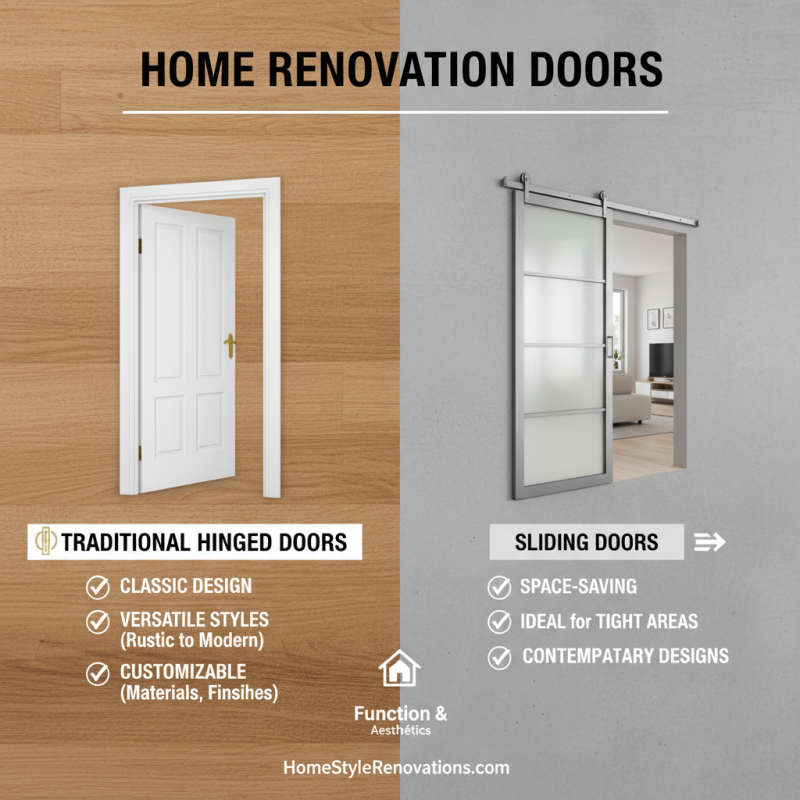
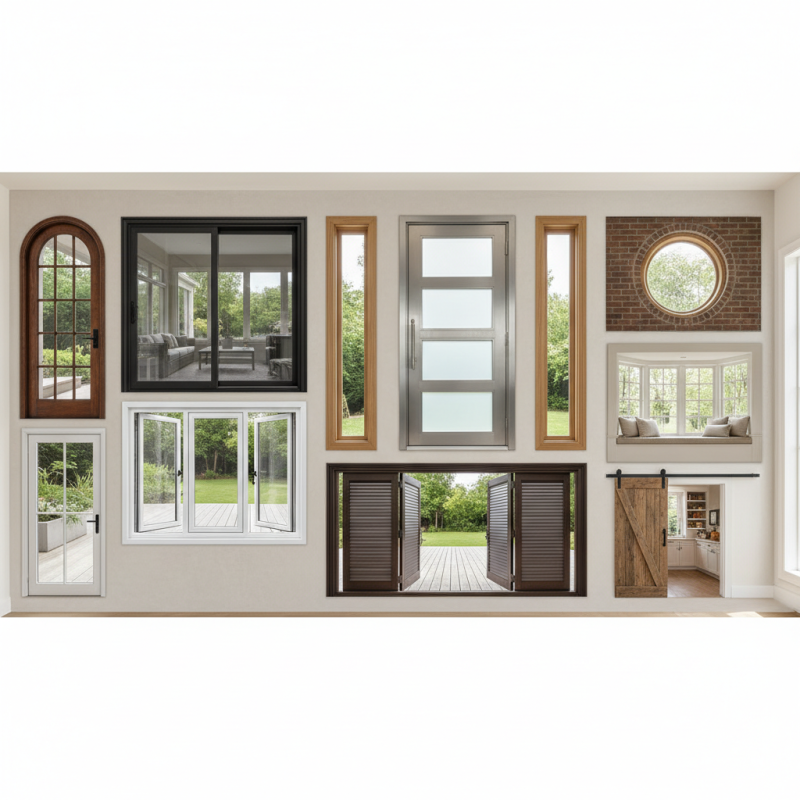
When it comes to home renovation, choosing the right types of doors is essential for both functionality and aesthetics. One of the most popular options is the traditional hinged door, which swings open and closed on a set of hinges. This classic design suits various home styles, from rustic to modern, and can be customized with different materials, finishes, and hardware to match your decor. Another great option is sliding doors, perfect for saving space. These doors glide along a track, making them an ideal choice for tight areas or contemporary designs that emphasize open floor plans.
French doors are also a coveted choice in home renovations, known for their elegance and ability to let in natural light. Typically featuring glass panes, they can serve as a stunning entry to a patio or garden, bridging the indoors with the outdoors. Bi-fold doors have gained popularity as well, as they can create an expansive opening that seamlessly connects indoor living spaces with outdoor environments. Whether you prefer the classic charm of wooden doors or the sleek appearance of glass, exploring different door types can significantly enhance your home’s ambiance and functionality.
Popular Window Styles to Enhance Natural Light in Your Home
When it comes to enhancing natural light in your home, the style and type of windows you choose can make a significant difference. Large, floor-to-ceiling windows are becoming increasingly popular in modern design, allowing ample sunlight to flood into the space while providing stunning outdoor views. This approach not only brightens up interiors but also creates a seamless connection between indoor and outdoor environments. Another enticing option is the use of bay or bow windows, which extend outward from the home, creating additional angles for light to enter. These windows can serve as cozy nooks or reading areas, enhancing both functionality and aesthetics.
In addition to size and shape, the style of window frames can also play a crucial role in maximizing natural light. Sleek, minimalistic frames in materials like aluminum or fiberglass allow for larger glass panes, minimizing visual obstruction. Alternatively, casement windows, which are hinged at the side and open outward, can be strategically placed to catch breezes and enhance ventilation, further bringing in warmth and light. Such window styles not only increase the brightness of your home but can also elevate its overall charm and character, making each room feel more inviting and spacious.
Energy-Efficient Door Options for a Sustainable Living Space
When considering energy-efficient doors for your home renovation, it's essential to understand the impact they can have on both energy consumption and comfort. According to the U.S. Department of Energy, heating and cooling account for approximately 50% of a typical home's energy use. By investing in energy-efficient doors, homeowners can significantly reduce this expenditure. For example, ENERGY STAR® certified doors can reduce energy costs by 20% to 30% compared to standard models, thanks to their advanced insulation properties that minimize heat transfer.
Options such as fiberglass or insulated steel doors provide excellent thermal performance. Reports indicate that homes equipped with high-performance doors can save as much as $150 annually on energy bills. Additionally, using low-emissivity (Low-E) glazing for door and window glass helps reflect heat back into the home during winter while maintaining a cool indoor temperature during summer. This double benefit is crucial for sustainable living spaces, where reducing reliance on heating and cooling systems can lead to both lower utility costs and a smaller carbon footprint. Homeowners looking to make eco-friendly choices can also explore options like reclaimed wood doors, which offer aesthetic appeal while contributing to environmental sustainability.
Choosing the Right Windows for Optimal Insulation and Comfort
When it comes to home renovation, selecting the right windows is crucial for achieving optimal insulation and comfort. Studies suggest that up to 30% of a home’s heating and cooling energy can be lost through its windows. Therefore, investing in high-quality windows with advanced insulation properties can significantly reduce energy bills and enhance indoor comfort. According to the Department of Energy, properly installed energy-efficient windows can save homeowners between $126 to $465 annually, depending on their location and climate.
In terms of insulation performance, the U-factor is a key metric to consider. A lower U-factor indicates better insulation; ideally, homeowners should look for windows with a U-factor of 0.30 or lower. Furthermore, double or triple-glazed windows with low-emissivity (Low-E) coatings can greatly reduce heat transfer and improve thermal performance. Research shows that homes with energy-efficient window systems can achieve a reduction in heating costs by as much as 15% to 30%. Prioritizing energy efficiency in window choice not only aids in creating a comfortable living environment but also contributes to long-term savings and sustainability, making it an essential consideration for any renovation project.
Top 10 Types of Doors and Windows for Home Renovation
This chart displays the energy efficiency ratings of different types of doors and windows commonly used in home renovations. Higher ratings indicate better insulation properties, contributing to comfort and energy savings.
Aesthetic Considerations: Matching Doors and Windows to Home Design
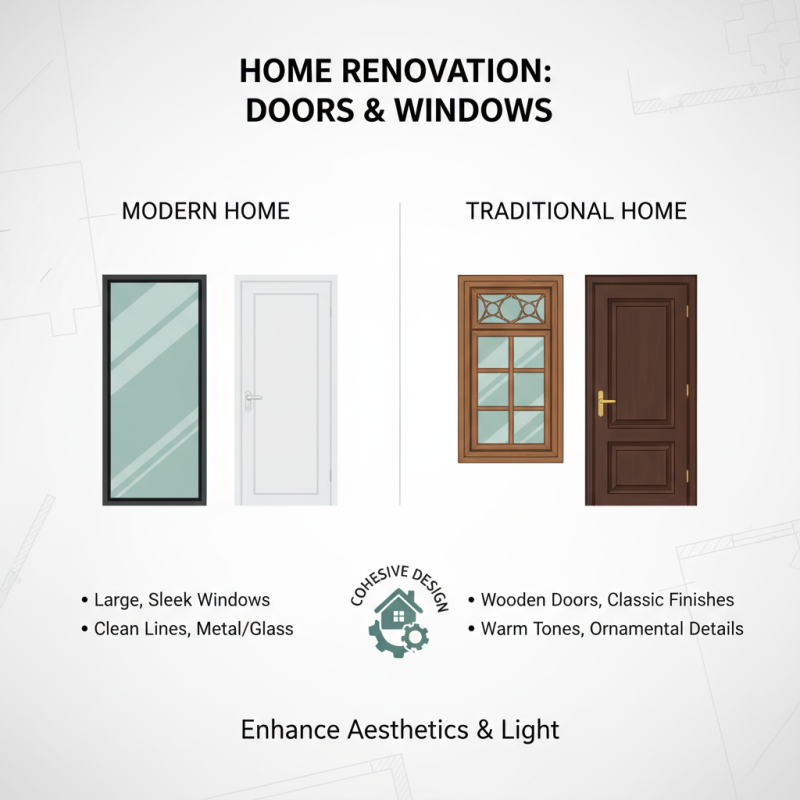
When planning a home renovation, selecting the right doors and windows is crucial to achieving a cohesive design. The aesthetic appeal of these elements significantly enhances the overall look of your home. Whether you prefer a modern, minimalist style or a more traditional vibe, the choice of materials and colors can make a substantial impact. For a contemporary home, consider large, sleek windows that invite natural light, while rustic homes may benefit from wooden doors with classic finishes.
Tips: One effective way to ensure harmony in your design is to choose doors and windows that share complementary colors. For instance, if your home features earth tones, opt for windows in a warm, wooden finish. Conversely, bright, bold colors can set a playful tone in a farmhouse-style home. Additionally, think about the style of your door when selecting a window; for example, a modern door paired with geometric windows can create a striking visual balance.
Another key consideration is the size and shape of your openings. Oversized windows can act as stunning focal points, especially in living areas, while smaller, strategically placed windows can enhance the charm of a cozy kitchen or bathroom. Be mindful that your choices should not only fit your home’s architecture but also create a sense of flow between spaces. The right combination will provide both beauty and function, elevating your home’s interior and exterior simultaneously.