Top Tips for Choosing Seamless Elbows in Your Projects?
When it comes to building and construction, choosing the right materials is crucial. Seamless Elbows play a vital role in various piping systems. These components ensure fluid flow is smooth and consistent. Whether in residential or industrial applications, their importance cannot be overstated.
Selecting the proper seamless elbows requires careful consideration. Factors like material, size, and application type are essential. High-quality seamless elbows can greatly enhance performance and durability. However, not all options available in the market meet these standards. It is crucial to do thorough research before making a purchase.
Quality matters more than price. Sometimes, a cheaper option might lead to more costs in repairs later. Consider the long-term implications of your choice. Investing in reliable seamless elbows pays off in performance and longevity. This guide aims to provide insights that will help you make informed decisions.
Understanding Seamless Elbows: Definition and Importance
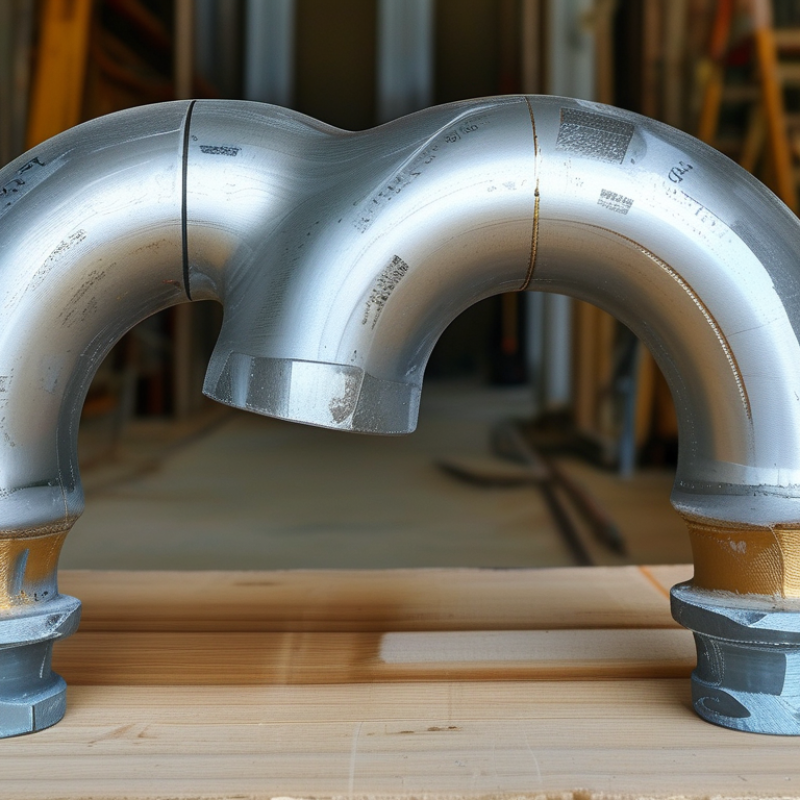
Seamless elbows play a crucial role in piping systems, ensuring fluid flows efficiently and reducing the risk of leaks. Defined as fittings made from a single piece of material, they lack welds or joints. This characteristic enhances their durability. According to a report by the American Society of Mechanical Engineers, seamless fittings have a failure rate 30% lower than welded alternatives in high-pressure applications.
The material choice significantly impacts performance. Seamless elbows are often made from stainless steel, carbon steel, or alloys. Stainless steel elbows, for instance, resist corrosion and are ideal for chemical applications. A study published by the Pipe Fabrication Institute highlights that seamless options are favored in environments with high stress and temperature variations, showcasing their importance in industrial settings.
Yet, selecting the right elbow requires careful consideration. Not all projects demand seamless types; sometimes, welded elbows suffice. Evaluating pressures and environmental factors is essential. Consistently, professionals note that misjudgments in fitting selection lead to costly repairs. This indicates a need for closer assessment in the planning phase.
Key Materials Used in Seamless Elbows for Durability
When selecting seamless elbows for your construction projects, the choice of materials is crucial for ensuring durability. Seamless elbows are commonly made from steel, stainless steel, and various alloys. These materials offer strength and resistance to wear and corrosion. Steel is often the go-to choice for many applications due to its high tensile strength. However, it can be susceptible to rusting if not properly coated.
Stainless steel is an excellent alternative when corrosion resistance is vital. This material continues to perform well in harsh environments, such as chemical processing plants. Nonetheless, it can be more expensive than standard steel. Alloys, like nickel or copper-based variants, are also used. They provide exceptional durability but might not be readily available.
Choosing the right material can be challenging. It is essential to consider the specific demands of your project, such as temperature, pressure, and environmental exposure. Some materials may perform better in certain conditions than others, which necessitates careful evaluation. Make sure to consult engineering guidelines to support your decision, ensuring reliability and safety in your applications.
Top Tips for Choosing Seamless Elbows in Your Projects
This chart illustrates the distribution of different key materials used in seamless elbows to ensure durability. The materials are categorized by their tensile strength and corrosion resistance, which are crucial for selecting the right elbow for your projects.
Factors to Consider When Selecting Seamless Elbows
When selecting seamless elbows, it’s crucial to consider several factors that impact performance and reliability. Material selection is the first step. Different materials, such as stainless steel or carbon steel, offer varying corrosion resistance and strength. According to industry reports, stainless steel elbows have a lifespan up to 50% longer in corrosive environments compared to carbon steel ones. This can significantly affect long-term project costs.
Another important factor is the elbow’s radius. A larger radius reduces turbulence and pressure loss in piping systems. Research indicates that using long-radius elbows can improve fluid dynamics by at least 50%. However, they require more space and may not fit all designs. Analyzing the layout of your project before selection helps in making an informed choice.
Lastly, don’t overlook the manufacturing standards. Elbows must meet ASTM or ASME specifications to ensure they can withstand operational pressures. Specifications should align with your project’s requirements. Oversights here can lead to serious failures. The right elbow enhances project efficiency; a poor choice can compromise safety and functionality.
Applications of Seamless Elbows in Various Industries
Seamless elbows play a crucial role in various industries, providing essential connections in pipelines. In oil and gas, they ensure smooth transitions and minimize turbulence. This enhances flow efficiency, which is critical for transporting resources over long distances. Moreover, seamless elbows resist high pressure and temperature, ensuring system integrity.
In the water treatment sector, seamless elbows help maintain a steady flow of water and prevent leaks. Facilities often face strict regulations; thus, reliability is paramount. Chemical processing plants also benefit. They use seamless elbows to handle corrosive substances without risking contamination or failure.
Not all projects require seamless elbows, though. Sometimes, cost constraints lead teams to choose alternatives. This can raise questions about durability and performance. Evaluating each project’s specific needs is essential. Finding the right balance between budget and reliability is worth reflecting on.
Best Practices for Installation and Maintenance of Seamless Elbows
When it comes to installing seamless elbows, proper techniques are crucial. Begin by ensuring the pipes are clean and free from debris. Dirt and contaminants can harm the integrity of the joint. Use appropriate tools to achieve a secure fit. This might require some effort, but a snug connection is necessary to prevent leaks and ensure safety.
Maintenance also plays a significant role in the longevity of seamless elbows. Regularly inspect joints for any signs of wear or corrosion. It’s easy to overlook small issues, but ignoring them can lead to larger problems. Proper sealing can provide an additional layer of protection. However, do not hesitate to replace an elbow if you notice significant damage. This proactive approach can save time and costs down the line.
Additionally, consider the environment where the elbows will be installed. Temperature and exposure to elements can greatly affect performance. Always choose the material suited for the specific application. In some cases, you might find the selected elbow doesn't meet your initial expectations. Learning from these experiences can improve future decisions. It's what you do with these lessons that count.