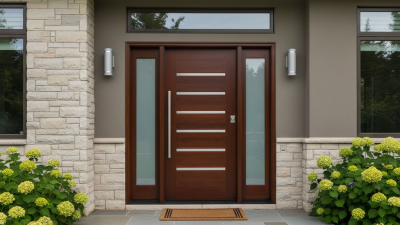
10 Tips for Choosing Entry Doors for Your Home Upgrade?
Choosing the right entry doors for your home upgrade is crucial. Entry doors not only enhance your home’s style but also provide security. A well-chosen door can make a significant difference in your home’s first impression.
Consider the material of the entry door. Wood, fiberglass, and steel each offer unique benefits and drawbacks. For instance, wood doors bring warmth but may require more maintenance. Steel doors are sturdy but can rust over time.
Think about energy efficiency as well. Poorly insulated doors can lead to higher energy bills. A good entry door should effectively block drafts. Subtle details like color and design can reflect your personal taste. Remember, the perfect entry door is a mix of aesthetics and functionality. Make decisions that resonate with your lifestyle.
Importance of Entry Doors in Home Aesthetics and Security
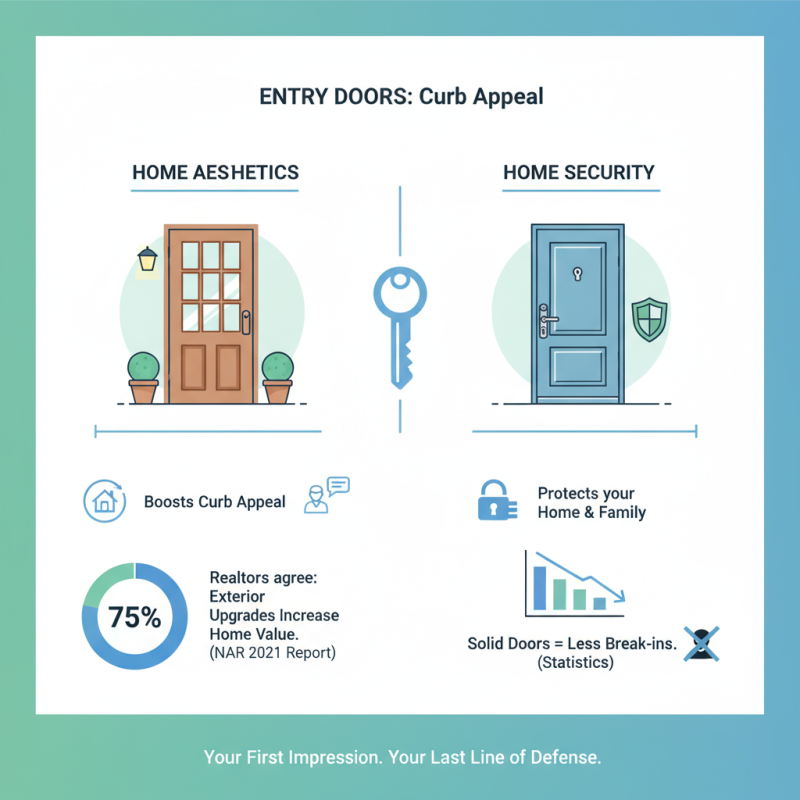
Entry doors play a crucial role in home aesthetics and security. They are the first thing guests see. An attractive door can enhance curb appeal significantly. According to a 2021 report by the National Association of Realtors, nearly 75% of realtors believe that exterior upgrades can increase a home's value. Entry doors also act as barriers. They protect your home and family from potential intruders. Statistics show that homes with solid doors are less likely to be broken into.
When choosing an entry door, consider the materials. Steel doors offer high security but may lack warmth. Wood doors, on the other hand, provide beauty but require maintenance. Balance aesthetics and practicality. A door that stands out is great, but functionality should lead your choice.
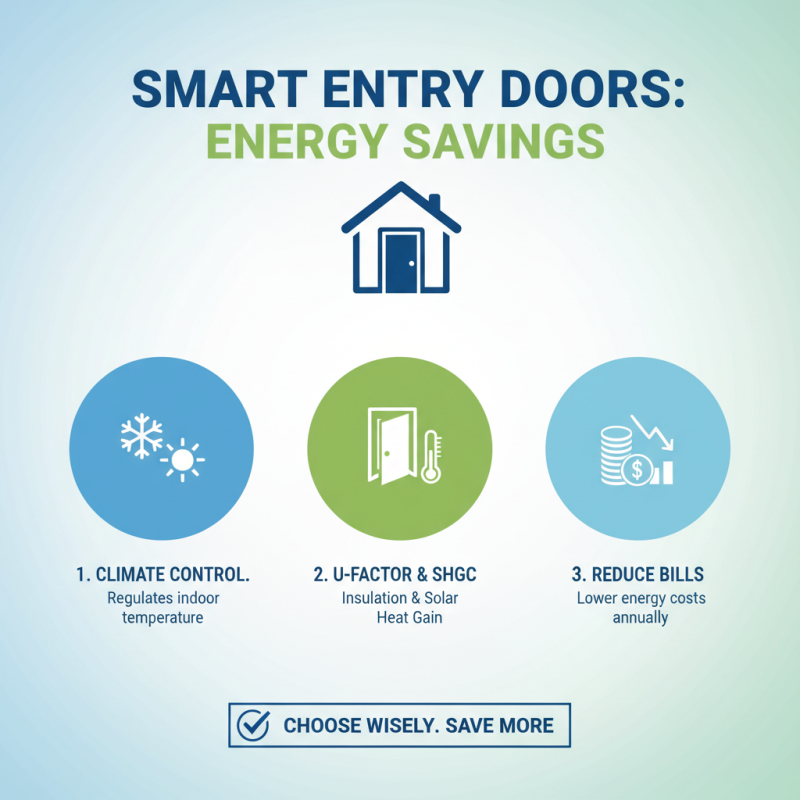
Think about energy efficiency as well. The Department of Energy states that energy-efficient doors can save homeowners up to 25% on heating and cooling costs. Look for doors with a good insulation rating. Check the energy performance label.
Don’t overlook color and style. The color of your door can convey a lot. Bold colors can make a statement, while neutral tones offer timeless appeal. Reflect on your home’s overall style and choose a door that complements it.
Key Materials Used in Entry Door Construction and Their Benefits
When choosing an entry door, materials matter significantly. Steel, fiberglass, and wood are popular options, each with unique benefits. Steel doors, for example, provide excellent security. According to the National Association of Home Builders, they resist impacts better than wood. They also require less maintenance, making them a practical choice.
Fiberglass doors are popular for their energy efficiency. They can be designed to mimic the look of wood, yet resist warping and splitting. Research shows that fiberglass doors can save homeowners up to 15% on energy costs. Wood doors offer an aesthetic appeal that many prefer. However, they need regular upkeep to avoid decay. This maintenance can be a drawback for some homeowners.
Homeowners must consider warranties and installation. Some doors may look appealing but could lack durability. It’s essential to evaluate long-term value over initial cost. A door may be inexpensive upfront but may lead to higher replacement costs later. Balancing aesthetics, security, and maintenance can be challenging, yet it's vital for a successful home upgrade.
10 Tips for Choosing Entry Doors for Your Home Upgrade
| Material |
Benefits |
Cost Range |
Durability |
Energy Efficiency |
| Fiberglass |
Highly durable, resistant to dents and rust |
$400 - $2,500 |
Very high |
Excellent |
| Steel |
Strong security features, budget-friendly |
$300 - $1,500 |
High |
Good |
| Wood |
Classic appearance, customizable |
$500 - $5,000 |
Moderate |
Fair |
| Vinyl |
Low maintenance, energy-efficient |
$300 - $1,000 |
High |
Good |
Choosing the Right Style: Traditional vs. Modern Door Designs
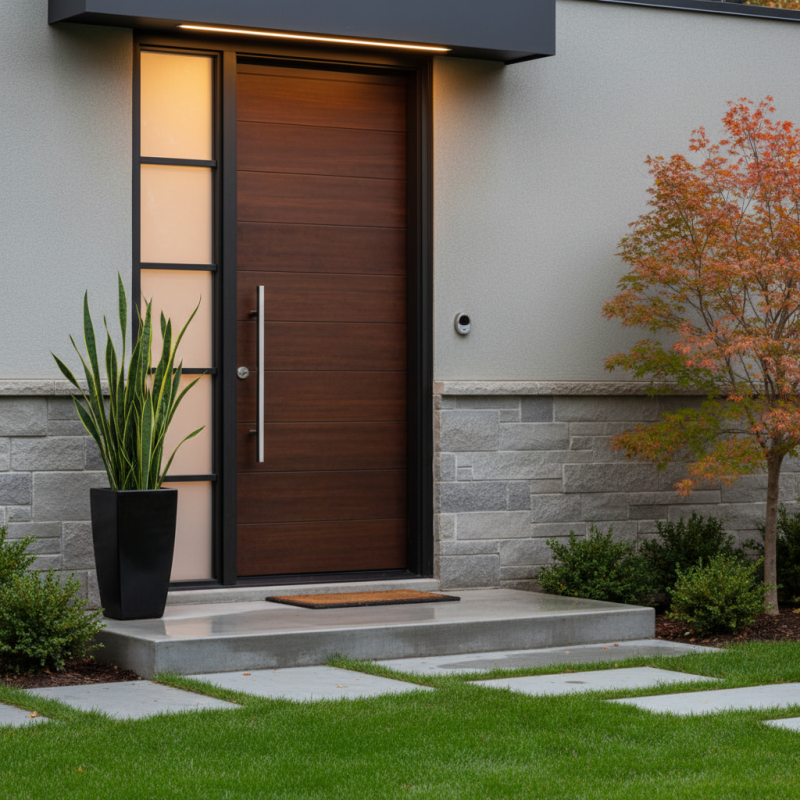
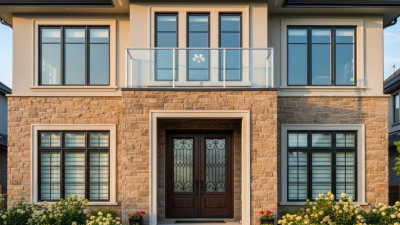
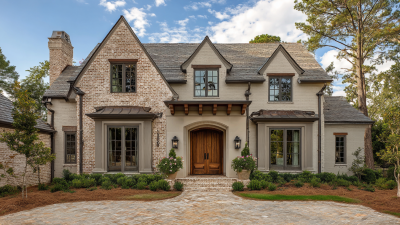
When selecting entry doors, style plays a crucial role. Traditional doors often feature intricate designs, rich woods, and classic finishes. These doors can add charm and timeless appeal to your home. Modern doors, on the other hand, typically embrace minimalism. They often use sleek lines, glass, and innovative materials. The choice between these styles can define the overall aesthetic of your space.
Consider how much light you want to let in. Glass panels in modern designs allow natural light to flood your entryway. This creates a welcoming atmosphere. However, privacy might become an issue. Think about your location and surroundings. A traditional wood door can provide more seclusion and security.
Tip: Ensure the door complements your home's architecture. A modern door can clash with a classic home. Look for harmony. Another tip: focus on functionality as well as beauty. A door that looks great may not be durable. It’s essential to balance style with practicality. The right choice impacts both the beauty and security of your home. Reflect on what you truly desire in your entryway.
10 Tips for Choosing Entry Doors for Your Home Upgrade
Cost Considerations: Budgeting for Quality Doors and Installation
When upgrading your home, entry doors are a vital consideration. Quality doors enhance curb appeal and security. However, cost plays a critical role. A recent report indicates that homeowner spending on entry doors has increased by 15% over the past three years. This trend reflects a growing emphasis on durable, attractive options.
Budgeting requires careful thought. The average cost for an entry door installation ranges from $1,000 to $2,500, depending on materials and design. Wood and fiberglass doors tend to be pricier, yet they offer better insulation, which can save on energy bills. Some homeowners may opt for lower-cost options but find themselves replacing them sooner than anticipated.
Installation is another significant expense. Labor costs can vary widely, averaging between $200 and $600. Choosing the right contractor is key. If you go with a cheaper option, you risk poor workmanship. Investing in a quality door and installation can provide peace of mind and long-term savings. Reflect on your choices carefully; a solid entry door is worth the cost.