How to Get Doors Installed for Your Home Improvement Project?
When planning a home improvement project, getting doors installed is crucial. In fact, a recent survey indicated that 75% of homeowners believe new doors enhance their property's value. Quality doors can improve aesthetics and boost energy efficiency. The average ROI for door replacement projects is around 70%, making it a smart investment.
However, the process of door installation can pose challenges. Many homeowners underestimate the time and effort involved. Selecting the right style, material, and size is essential. Research shows that 45% of homeowners are unsure about their choices before starting. This uncertainty can lead to mistakes during installation.
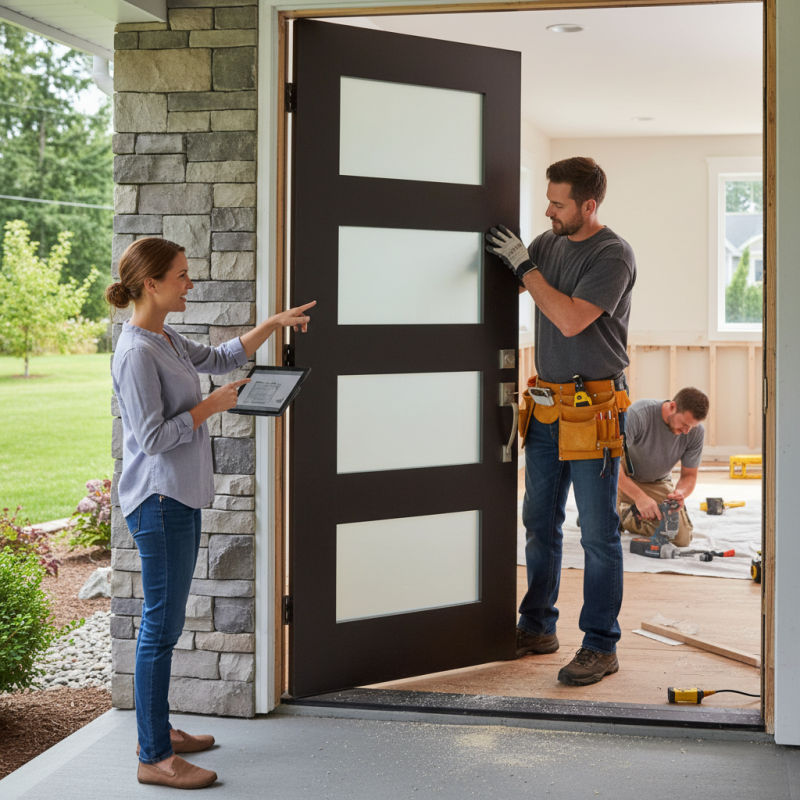
Furthermore, hiring a professional is often recommended. According to industry standards, skilled installers can significantly reduce the chances of issues arising later. DIY installations sometimes overlook critical details. Ultimately, taking the time to research and plan for getting doors installed can lead to a more successful home upgrade.
Planning Your Door Installation Project: Key Considerations
Planning your door installation project requires careful thought. Consider the type of doors you want. Are they interior or exterior? Each type has its own requirements. Think about materials too. Wood, fiberglass, and steel each have different strengths and weaknesses.
Measure your door frames accurately. Use reliable tools to ensure precision. You don’t want a door that doesn’t fit properly. Mistakes can lead to wasted time and resources. If you’re unsure about measurements, consult a professional. It’s worth it to avoid costly errors.
Next, budget accordingly. Costs can escalate with unexpected issues. Factor in installation expenses, materials, and any necessary hardware. Research local labor costs. Sometimes DIY seems appealing, but it may save you headaches to hire an expert. Remember, a well-installed door can improve your home’s security and aesthetics significantly.
Choosing the Right Type of Door for Your Home Needs
Choosing the right type of door for your home can be challenging. Various styles serve different functions. According to the American Institute of Architects, 75% of homeowners prioritizing energy efficiency prefer insulated doors. These doors help maintain indoor temperatures. They can reduce heating and cooling costs significantly.
Consider aesthetics as well. A beautiful front door can add curb appeal. Reports indicate that a new door can increase your home's value by about 4%. Many people overlook this aspect during renovations. They focus more on practicality and forget the visual impact.
Material choice matters too. Wood doors offer elegance but require maintenance. Steel doors provide durability yet may not fit every style. Think about your lifestyle before making a decision. A busy household might benefit from low-maintenance options. Gathering information can help, but hesitation often leads to missed opportunities. Reflect on current trends and your preferences to find the right balance.
How to Get Doors Installed for Your Home Improvement Project?
| Door Type |
Material |
Energy Efficiency |
Cost Range |
Installation Difficulty |
| Hinged Door |
Wood/Composite |
High |
$500 - $1,500 |
Moderate |
| Sliding Door |
Vinyl/Glass |
Moderate |
$700 - $2,500 |
Moderate to High |
| French Door |
Wood/Steel |
High |
$1,200 - $3,000 |
High |
| Bi-Fold Door |
Aluminum/Glass |
Moderate |
$1,500 - $4,000 |
High |
| Patio Door |
Vinyl/Glass |
High |
$600 - $2,000 |
Moderate |
Measuring Your Door Frame for Accurate Sizing
When measuring your door frame, accuracy is key. A study by the National Association of Home Builders shows that precise measurements can reduce installation errors by up to 30%. Start by measuring the height of your frame from the floor to the top. Make sure to check at multiple points. This ensures that your door will fit snugly without gaps.
Tip: Use a level when measuring. Uneven floors can distort your measurements. Also, measure in inches to avoid confusion when selecting your door size. Next, measure the width of the frame from one side to the other. It’s important to check the width at both the top and bottom. Sometimes, frames can be slightly warped.
Don't forget the depth of the frame. This measurement affects the type of door you can install. If your frame is deeper than usual, you might need specialty hardware. To maintain consistency, document all your measurements. You can refer back to them if needed. Mistakes in measurements can lead to costly errors. Review your findings before making a purchase.
DIY vs. Hiring a Professional: Making the Right Choice
When deciding whether to take a DIY approach or hire a
professional for door installation, it’s essential to
weigh the pros and cons of each option. According to a recent report by the National Association
of Home Builders, nearly 60% of homeowners choose to hire
professionals for significant projects. Home improvement can be daunting, especially with
something as crucial as doors.
Engaging a professional ensures a seamless installation. Experts bring experience,
precision, and the right tools. However, DIY
can save money. It allows personal involvement but can lead to unforeseen challenges. Common
mistakes include mismeasuring or using inadequate materials,
leading to future headaches.
Tips: If you opt for DIY, begin with thorough research.
Measure your door frame carefully. Order the right size door. If you're uncertain, ask for help
from experienced friends. Don't overlook safety; ensure you wear protective gear. If the thought
of installation stresses you out, consider consulting a professional.
In the end, evaluate your skills, budget, and time.
Sometimes, a blend of both might work. Testing the waters with a small project could provide insight.
Make an informed choice for your home improvement goals.
Step-by-Step Guide to Installing Your New Doors
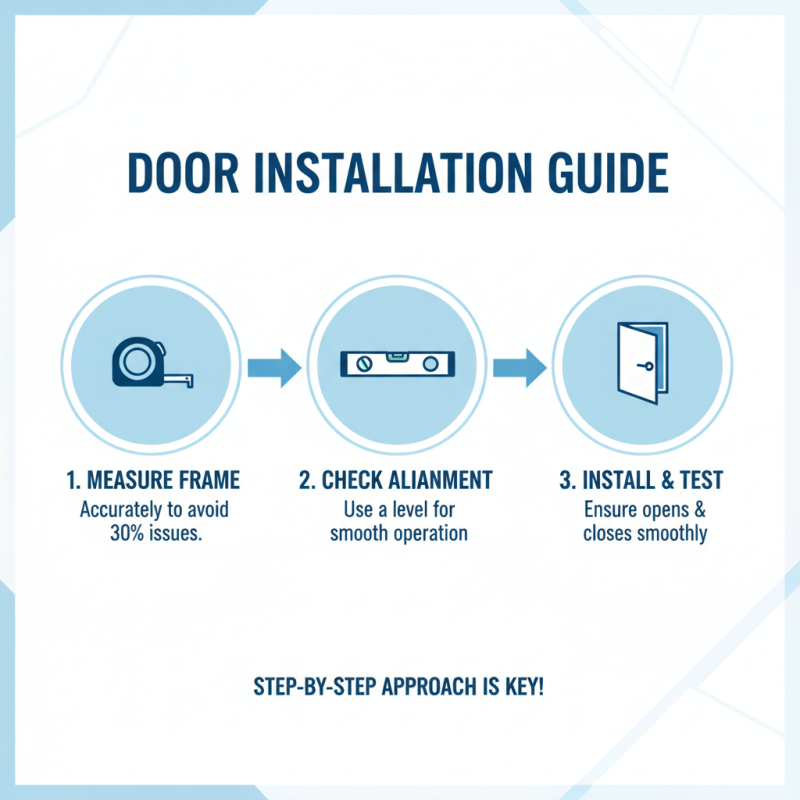
When installing new doors, a step-by-step approach is key. Start by measuring your door frame accurately. According to industry reports, improper measurements cause 30% of door installation issues. Use a level to check the alignment. This ensures the door opens and closes smoothly.
Next, choose the right type of door for your space. A lightweight option might seem tempting, but heavier materials can offer better durability. Research shows that solid doors provide more insulation and security. However, they can be challenging to install due to their weight.
Once you have your door, check the hinges and hardware. The right screws and tools make all the difference. In fact, a 2021 survey indicated that over 40% of homeowners faced hardware issues post-installation. Mistakes can lead to misalignment or gaps, affecting the door’s functionality. Patience and attention to detail are essential for a successful project. Remember, a perfect fit requires time and effort.