What is the Concept of Sliding Doors in Everyday Life?
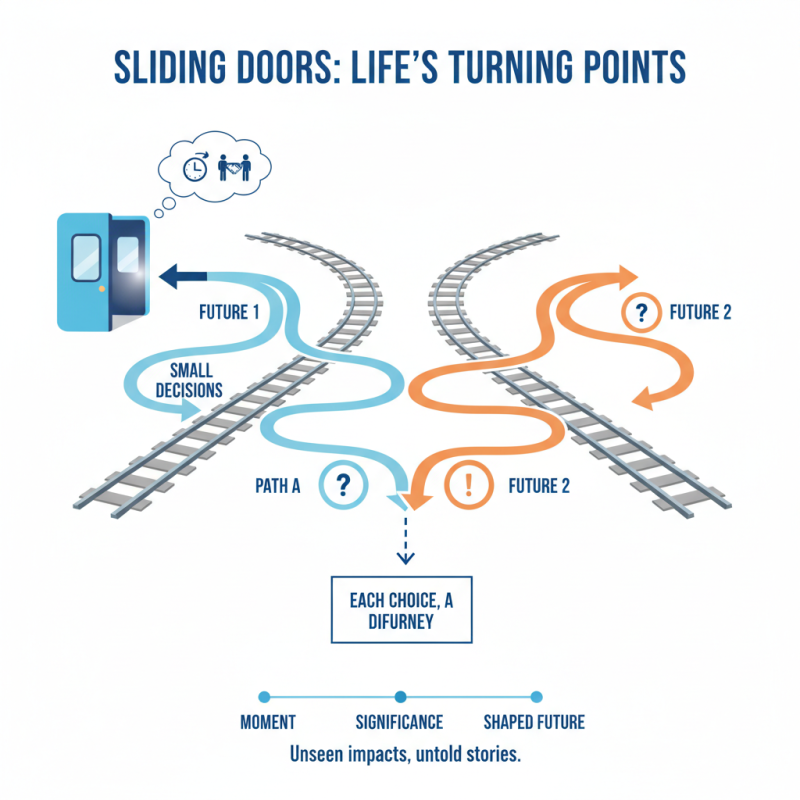
Life is full of choices, much like the concept of sliding doors. These doors represent moments where our decisions create new paths. Imagine a busy morning, deciding whether to take the bus or walk. Each choice leads to different outcomes.
Consider a job interview. You could arrive early and meet someone influential. Or, you could be late, missing a vital connection. These small decisions shape our future in unexpected ways. Sometimes, we don’t recognize the significance of our choices.
In everyday life, sliding doors remind us to reflect on our decisions. Each choice, no matter how trivial, carries weight. We often wish we could turn back time, but those moments are pivotal. They form the tapestry of our lives, encouraging us to embrace uncertainty and learn from what could have been.
The Definition of Sliding Doors in Everyday Life
The concept of sliding doors in everyday life refers to pivotal moments that can change our path. Imagine standing at a train station. You either catch the train or miss it. This choice could lead to entirely different experiences. Research reveals that such decisions can impact happiness and career success. A study indicated that 70% of individuals believe small decisions shape their life more than major milestones.
In our daily routines, sliding doors appear frequently. They emerge as choices like taking a different route to work or deciding to speak up in a meeting. Each choice presents a potential opportunity or setback. Reflecting on these moments can lead to personal growth and greater awareness.
Tips: Embrace uncertainty. Not every choice will seem significant. Sometimes, spontaneity can lead to unexpected joy. Be mindful of your decisions. Track how small changes in routine affect your day. You'll discover profound insights about your habits and preferences. Additionally, seek feedback from trusted friends. Their perspectives can illuminate blind spots in your decision-making.
Examples of Sliding Doors Moments in Daily Experiences
Sliding doors moments shape our lives in unexpected ways. Imagine waking up late and missing your bus. That small delay can change your day. You might run into an old friend or miss an important meeting. Each choice builds your reality.
Consider walking into a café. You can choose to sit alone or engage with someone nearby. That conversation could spark a new friendship or collaboration. These moments remind us that seemingly minor decisions affect our paths profoundly.
Sometimes, we don't recognize these moments until later. We look back and wonder. What if we had left home five minutes earlier? The imagination runs wild. Choices are filled with potential, both good and bad. Reflecting on these moments can lead to deeper understanding. It shows how crucial they truly are.
How Sliding Doors Influence Relationships and Opportunities
Sliding doors often represent pivotal moments in our lives. Each decision we make can lead us down different paths. We encounter various opportunities that can either strengthen or weaken our relationships. For example, choosing to attend a friend’s gathering might spark a deeper connection. Alternatively, staying home could lead to missed chances.
Every interaction carries weight. The small, everyday choices shape our future. Time spent with someone can shift dynamics. A simple text can reignite an old friendship or spark a romantic interest. These moments often feel insignificant at first. Yet, they define our connections and opportunities.
Reflecting on our choices is important. We may not always recognize the long-term impacts. An awkward conversation can leave a lingering doubt. It’s essential to embrace and learn from these experiences. Opening or closing a door can change everything, even if we don’t realize it at the time.
What is the Concept of Sliding Doors in Everyday Life? - How Sliding Doors Influence Relationships and Opportunities
| Situation |
Decision |
Outcome |
Impact on Relationships |
| Meeting a friend at a café by chance |
Stay and chat |
Rekindling an old friendship |
Strengthened bond |
| Choosing to take a different route to work |
Explore a new neighborhood |
Discovering a great lunch spot |
Opportunities for new connections |
| Deciding to attend a seminar |
Participate in networking |
Gaining a mentor in your field |
Career advancement |
| Stopping to help a stranger |
Engage in conversation |
Forming an unexpected friendship |
Broadened perspectives |
Coping with Regret: Embracing Sliding Doors Theory in Life Choices
Life’s choices often resemble sliding doors. Every decision can lead us down a different path. According to a study by the Journal of Behavioral Decision Making, around 70% of people experience regret over their choices. This regret highlights the challenge of embracing our decisions. Often, we wonder, "What if?"
Imagine a job opportunity you didn’t take. You may envision a life filled with success and fulfillment. Instead, you are left with uncertainty. A report from the American Psychological Association suggests that reflecting on unmade choices can exacerbate feelings of regret. The mind drifts into hypothetical scenarios, making it harder to appreciate the present.
Embracing sliding doors theory can help us cope. Each choice shapes our identity. Accepting the imperfections of our decisions allows growth. The Pew Research Center found that 60% of adults believe learning from mistakes is crucial. Instead of fixating on what could have been, focus on the lessons learned. Life is a series of open and closed doors, and every moment is an opportunity to grow and adapt.