How to Choose the Best Exterior Doors for Your Home?
Choosing the right exterior doors can transform your home. The best doors enhance curb appeal and ensure security. Many homeowners overlook these essentials. However, they serve as the first line of defense against weather and intrusions.
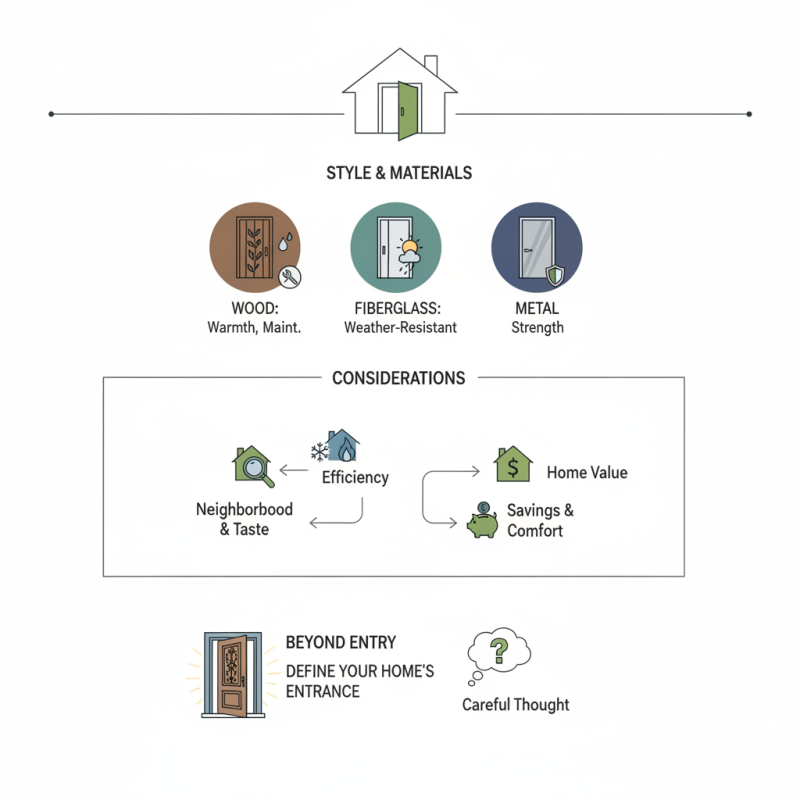
When selecting exterior doors, consider style and materials. Wooden doors provide warmth but require regular maintenance. Fiberglass doors resist weathering but may lack character. Metal doors offer strength but can be less attractive. You'll need to balance aesthetics with functionality to meet your needs.
Reflect on your neighborhood and personal taste. The wrong choice can affect your home's value. Think about energy efficiency too. Drafty doors waste money and comfort. Ultimately, finding the ideal exterior doors requires careful thought and consideration. They are more than just an entry point; they define your home's entrance.
Understanding Different Types of Exterior Doors Available
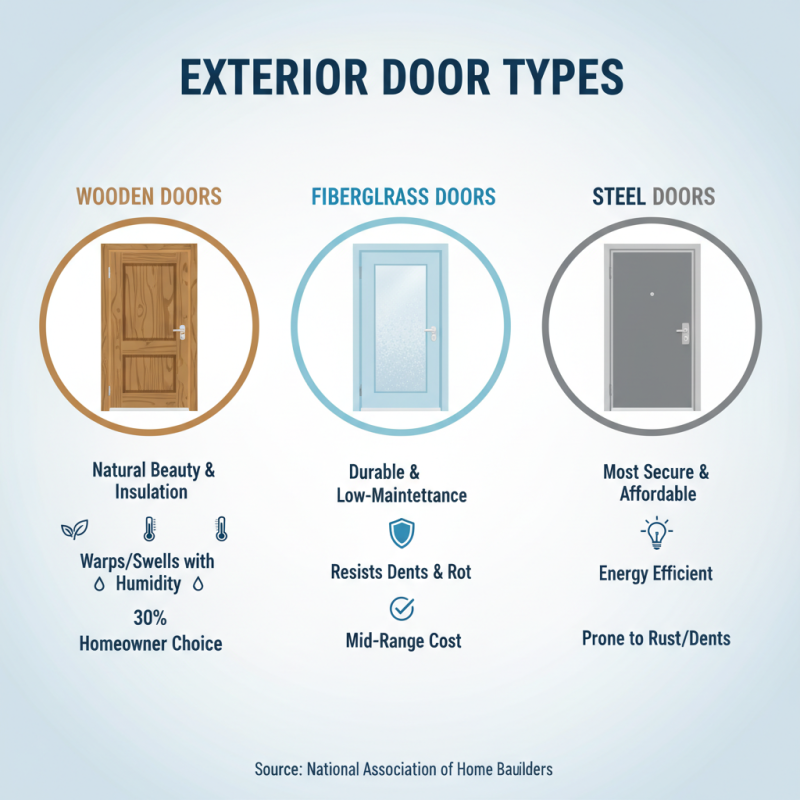
When choosing an exterior door, understanding the types available is crucial. The most common options include wooden, fiberglass, and steel doors. Wooden doors offer natural beauty and excellent insulation. However, they can warp or swell in humidity. Around 30% of homeowners prefer wooden doors for aesthetics, as reported by the National Association of Home Builders.
Fiberglass doors are gaining popularity due to their durability and low maintenance. They resist denting and fading, making them a practical choice. The Energy Information Administration notes that fiberglass doors can improve energy efficiency by up to 15%. They come in various styles and can mimic wood without upkeep concerns.
Steel doors are known for security and strength. They are typically cheaper and can last for years with proper care. However, they can rust if not maintained properly. Data from the Door and Access Systems Manufacturers Association shows that over 40% of exterior doors installed in new homes are steel.
Tips: Consider your local climate. If you live in an area with high humidity, avoid wooden doors. Check the energy efficiency ratings of doors. Some might look good but may not perform well. Always balance aesthetics with practicality. Door selection is an investment in your home's safety and energy consumption.
Evaluating Material Options for Durability and Security
When selecting exterior doors, material choice is critical. Wood doors offer beauty and insulation. They can warp or rot over time, though. Regular maintenance is essential for longevity. Steel doors provide robustness and security. They resist weather and impact, but can dent. Dent repair can be tricky, sometimes costly.
Fiberglass doors are another option. They mimic wood's look but are low maintenance. However, they may scratch. Scratches can diminish aesthetic appeal. Each material has strengths and weaknesses. Consider the climate in your area when choosing. An ideal door should balance durability and style. Pay attention to security features as well. Good locks and reinforced frames add peace of mind. We've all experienced doubts during decision-making. It’s okay to rethink your choice as you gather more information.
Material Options for Exterior Doors: Durability and Security Ratings
Assessing Style and Design for Curb Appeal
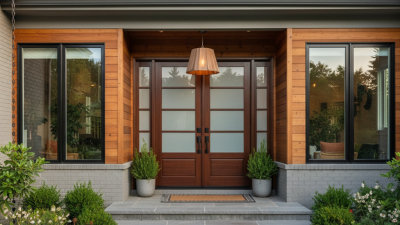
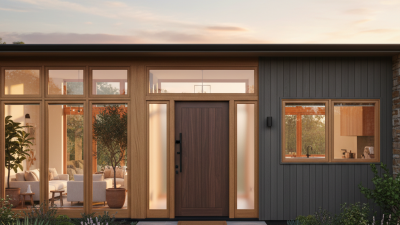
When selecting exterior doors, style and design play a critical role. An appealing door can enhance your home's curb appeal significantly. Consider the architecture of your house. Does it lean toward modern, traditional, or something rustic? A sleek, minimalist door might look stunning on a contemporary home. In contrast, a richly detailed wooden door enhances a classic façade.
Color is another key factor. A bold hue can make a strong statement. For instance, a vibrant red door can draw the eye and suggest warmth. However, this might not suit all homes. Soft, muted tones might complement a quieter style better. Textures also matter. A smooth finish offers a different vibe than a weathered look. Each choice speaks volumes about your style.
While you might be drawn to certain trends, think about longevity. Styles can change quickly. Are you selecting a door that you'll love years later? Reflect on the balance between personal taste and timeless appeal. Your door should invite guests in while expressing your unique identity. Take your time with this important decision.
Measuring for Proper Fit and Installation Considerations
When choosing exterior doors, proper measurements are crucial. A door that doesn't fit correctly can lead to air leaks, security issues, and energy loss. Start by measuring the door frame. Use a tape measure to get the width and height. Always measure from the inside of the frame. These measurements ensure a snug fit.
Tips: Pay attention to the door swing. Choose whether you want the door to open in or out. This can affect the space inside your entryway. Consider the thickness of the walls as well. A thicker wall may require a different door type to ensure proper alignment.
Installation should be done with care. Misalignment can happen easily. If the door is not installed correctly, it may not close properly. Gaps may appear, leading to drafts. You might need to make adjustments after the installation. Make sure to check the door's operation several times before finalizing. This ensures that everything works as intended. A little extra time spent measuring and adjusting can prevent bigger problems later on.
How to Choose the Best Exterior Doors for Your Home? - Measuring for Proper Fit and Installation Considerations
| Dimension/Factor |
Details |
| Door Width |
Standard width is 30, 32, or 36 inches; measure the opening to ensure proper fit. |
| Door Height |
Standard height is 80 inches; check if you need a custom height for larger entryways. |
| Frame Material |
Choose between wood, fiberglass, or steel based on climate and durability needs. |
| Energy Efficiency |
Look for doors with an Energy Star rating to ensure insulation and efficiency. |
| Style |
Consider the architectural style of your home; options include traditional, modern, or decorative styles. |
| Security Features |
Look for doors with multi-point locking systems for enhanced security. |
| Installation Considerations |
Ensure a professional installation if unsure; check for local building codes. |
Exploring Energy Efficiency Ratings and Features
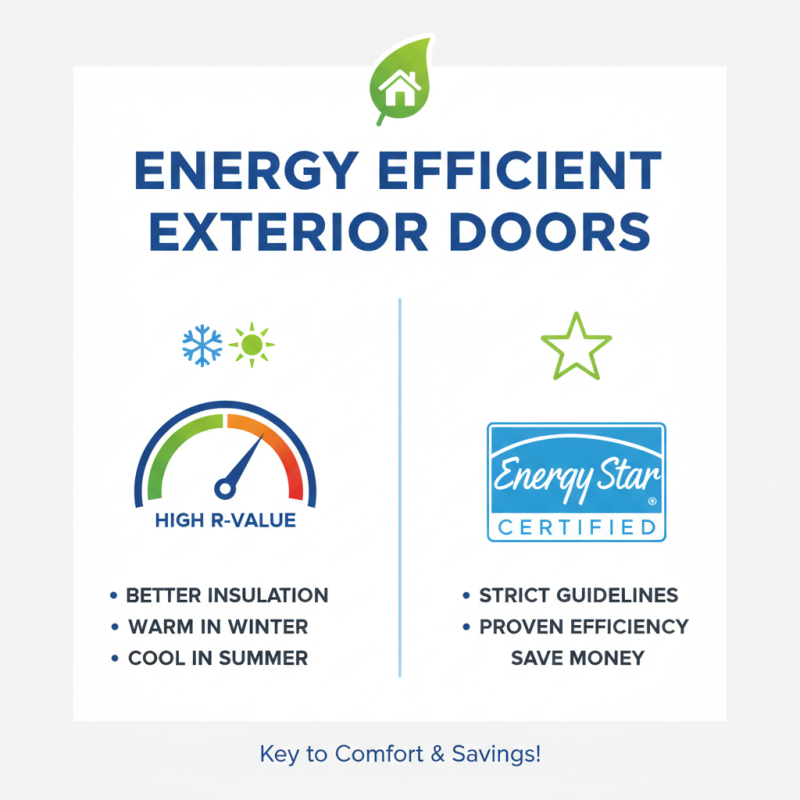
When selecting exterior doors, energy efficiency ratings play a vital role. Look for doors with high R-value. This indicates better insulation, keeping your home warm in winter and cool in summer. Energy Star certification is another aspect to consider. It shows that the door meets strict efficiency guidelines.
Features like weather stripping and proper sealing are essential. These details can greatly affect how well a door performs. A door with poor sealing might lead to drafts. This is both uncomfortable and energy-inefficient. Many doors offer a variety of materials. Wood, fiberglass, and steel each have their pros and cons regarding insulation and maintenance.
Don't overlook the importance of glass options. Double or triple-pane glass reduces energy loss effectively. However, these can increase initial costs. Some homeowners might prioritize aesthetics over efficiency. It's a trade-off that can impact long-term savings. Therefore, take your time evaluating all options.