Why Choose the Best Entry Doors for Your Home?
Choosing the right entry doors for your home is a significant decision. These doors serve as your first line of defense and set the tone for your entire living space. A beautiful entry door enhances your home’s curb appeal. However, functionality and security are equally important.
When selecting entry doors, consider materials, design, and insulation. Different materials offer varying levels of durability and security. Wood doors provide classic beauty, but require maintenance. Steel doors offer strength and energy efficiency. Each choice has its pros and cons, which requires thoughtful consideration.
Your entry doors should reflect your style while being practical. Think about how often you use these doors. Are they easy to operate? Do they provide adequate security? A door that’s beautiful but impractical may become a source of frustration. The right entry doors should combine aesthetics with everyday functionality.
Benefits of High-Quality Entry Doors in Home Value Enhancement
High-quality entry doors significantly enhance home value. According to the 2022 Cost vs. Value report, replacing an entry door can yield a return on investment of up to 74%. Homeowners often focus on aesthetics, but durability plays a crucial role. Steel and fiberglass doors resist wear and improve security. They last longer than traditional wooden doors, leading to fewer replacements over time.
Safety is paramount. Studies show that over 30% of break-ins occur through the front door. Investing in a robust entry door system deters intruders. Additionally, high-quality doors provide better insulation. This can reduce energy costs by up to 20%, as per the U.S. Department of Energy. The energy efficiency can be a strong selling point for potential buyers.
Appearance matters too. Curb appeal can significantly influence buyer interest. According to real estate experts, homes with attractive entry doors sell faster. However, some homeowners overlook this detail, prioritizing other improvements. Aesthetic upgrades shouldn't overshadow the function of the door. Reflecting on these aspects can lead to better investment choices.
Statistical Impact of Entry Doors on Energy Efficiency Ratings
Choosing the right entry doors goes beyond aesthetics. They play a vital role in your home’s energy efficiency ratings. A well-insulated door can significantly reduce heat loss in winter and keep cool air inside during summer. According to studies, homes with energy-efficient entry doors can save up to 20% on energy bills.
Many people overlook the importance of door materials. Steel and fiberglass offer better insulation compared to traditional wooden doors. However, improper installation can negate these benefits. Homeowners often underestimate how air leaks from poorly fitted doors can impact energy performance. It’s crucial to ensure doors are installed correctly.
In addition to insulation, entry doors enhance curb appeal. A visually appealing door can increase home value. Yet, it must also align with energy efficiency goals. Sometimes, homeowners focus too much on looks while ignoring practical aspects. Balancing style with functionality is essential for ensuring long-term energy savings.
Why Choose the Best Entry Doors for Your Home? - Statistical Impact of Entry Doors on Energy Efficiency Ratings
| Door Material |
Average Energy Efficiency Rating (U-Factor) |
Average Cost ($) |
Estimated Annual Energy Savings ($) |
| Fiberglass |
0.15 |
1,200 |
$200 |
| Steel |
0.25 |
800 |
$150 |
| Wood |
0.35 |
1,500 |
$100 |
| Vinyl |
0.30 |
1,000 |
$120 |
Security Features in Premium Entry Doors: A Comparative Analysis
When considering entry doors, security features play a critical role in safeguarding your home. Premium entry doors often include robust locks, reinforced frames, and impact-resistant glass. According to the Home Security Research Institute, homes without secure entry points are three times more susceptible to break-ins. This emphasizes the importance of quality doors in deterring potential intruders.
In a comparative analysis, it's vital to evaluate the materials used in door construction. Steel doors can provide superior protection compared to wooden options. They resist forced entry more effectively. However, many homeowners choose wooden doors for aesthetic reasons. This choice can compromise security despite the visual appeal. Additionally, advanced features like smart locks have emerged. These locks offer convenience but can introduce vulnerabilities. A report from the National Institute of Standards and Technology highlights that smart locks must be updated regularly to ensure security.
Opting for the best entry door requires balancing aesthetics, durability, and security. Many homeowners overlook the impact of specialized locking systems. Deadbolts, for instance, significantly lower the risk of unauthorized entry. However, their effectiveness depends on proper installation, which is often neglected. Quality craftsmanship is essential. Thus, while selecting an entry door, reflect on both security features and potential weaknesses that might arise from making compromises.
Comparative Analysis of Security Features in Premium Entry Doors
Choosing Materials: Wood vs. Fiberglass vs. Steel Entry Doors
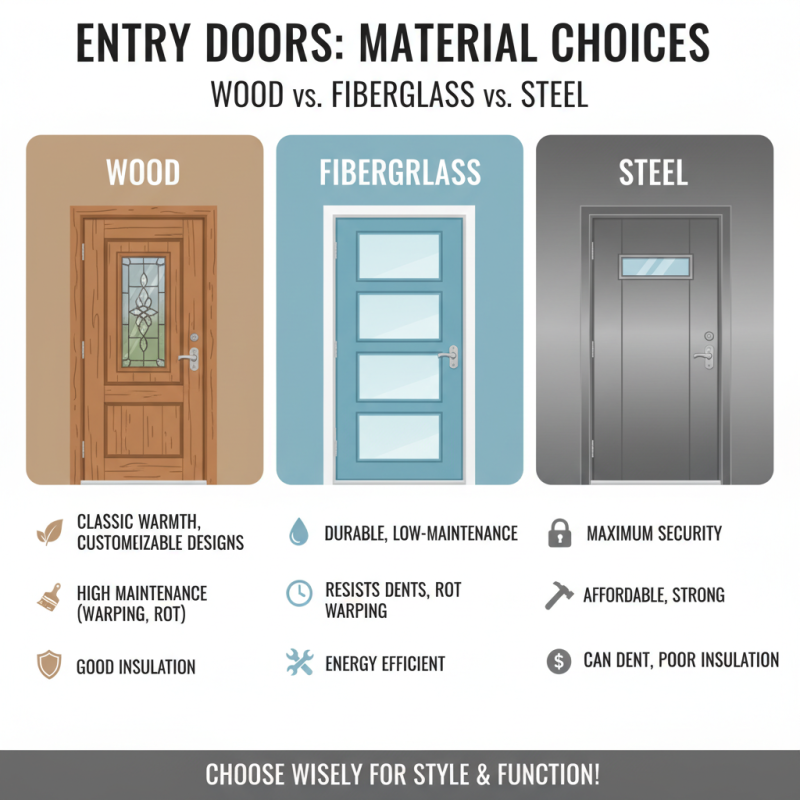
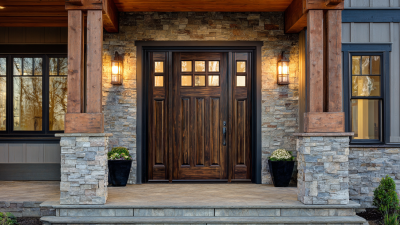
When selecting entry doors, the choice of material is crucial for both aesthetics and functionality. Wood doors exude warmth and classic charm. They can be customized to fit any style. However, wood requires regular maintenance to prevent warping and rot. This effort can be time-consuming, and not all homeowners are ready for that commitment.
Fiberglass doors present an attractive alternative. They offer durability and can mimic the look of wood without the upkeep. However, the quality can vary greatly among different manufacturers. Buyers need to be cautious and ensure they are choosing a reliable product. Fiberglass doors are often energy-efficient, which can reduce heating costs. Still, some may find them less visually appealing than traditional wood.
Steel doors are known for their strength and security. They resist dents and, when properly insulated, can provide excellent energy performance. However, steel can be susceptible to rust if not treated properly. Some homeowners may feel limited by the design options of steel doors compared to wood or fiberglass. It’s essential to weigh these factors before making a decision. Each material has unique characteristics that require careful consideration.
Design Trends in Entry Doors and Their Influence on Curb Appeal
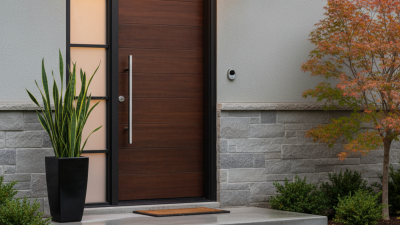
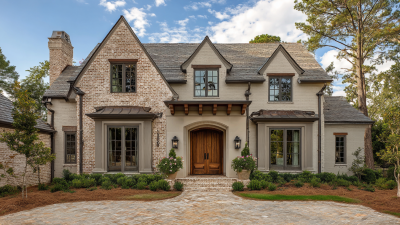
When it comes to entry doors, design trends play a crucial role in enhancing your home's curb appeal. A well-chosen door can be a statement piece or a subtle complement to your home's architecture. Many homeowners are exploring bold colors, intricate patterns, and unique materials. These choices reflect personal style while inviting guests into a warm atmosphere.
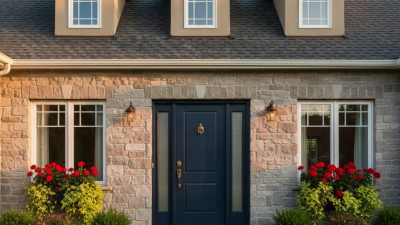
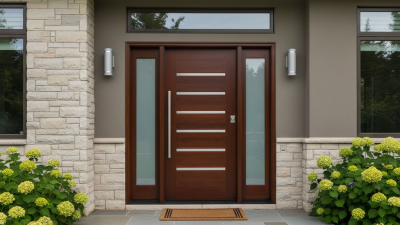
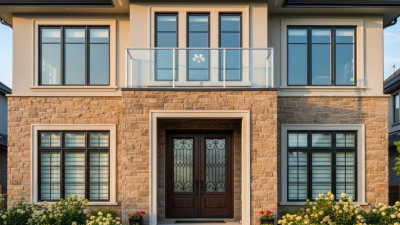
Consider choosing a door with glass inserts. This design offers an elegant touch while allowing natural light to fill your entryway. However, it may require frequent cleaning and maintenance. Another trend is using sustainable materials. Eco-friendly options not only help the environment but also add a modern flair. Yet, durability can be a concern, as some materials may weather over time.
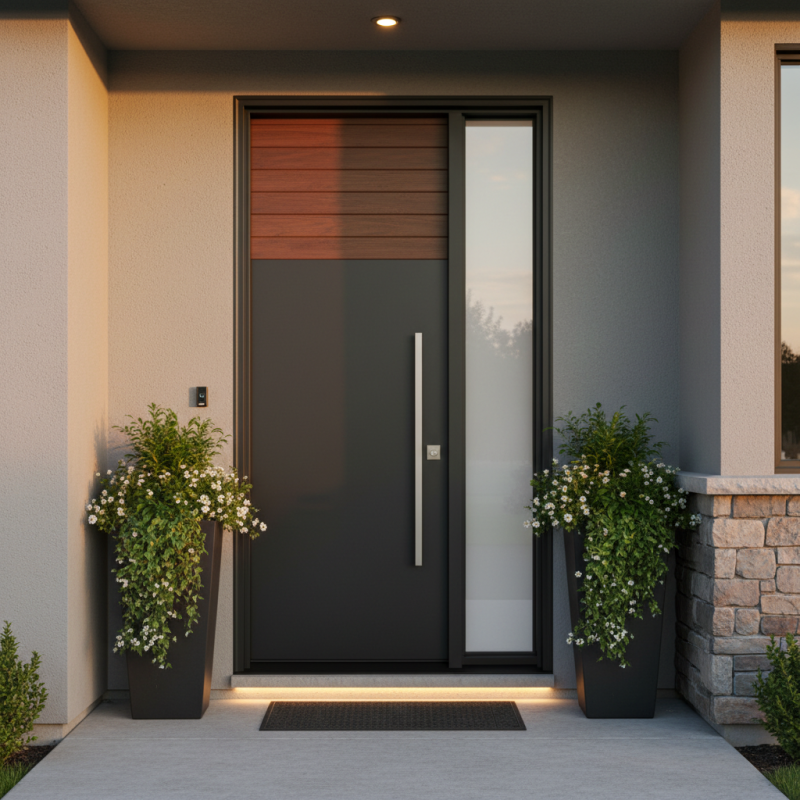
The rise of minimalist designs also influences entry doors. Clean lines and simple silhouettes can look striking. They work well with contemporary homes but may seem too stark for traditional setups. Balancing style with functionality is key. Each choice you make should reflect not just aesthetics but also practicality and security. A door should be inviting but also robust enough to protect against the elements.