How to Choose the Best Centrifugal Fan Blower for Your Needs?
When selecting the right Centrifugal Fan Blower, many factors must be considered. Industry expert Dr. John Smith emphasizes, "Choosing the right blower is crucial for system efficiency." His experience highlights the importance of matching blower specifications to specific needs.
Centrifugal Fan Blowers are essential in various applications, from industrial settings to HVAC systems. Users must evaluate airflow requirements, pressure ratings, and energy efficiency. Each application has unique demands. Understanding these parameters helps prevent costly mistakes.
Many buyers overlook maintenance requirements. A reliable blower needs easy access for repairs. This is often not considered early in the selection process. Users should also be wary of underestimating noise levels. A fan that seems quiet in specifications may not perform the same in real-world scenarios. The right choice demands thorough research and careful consideration.
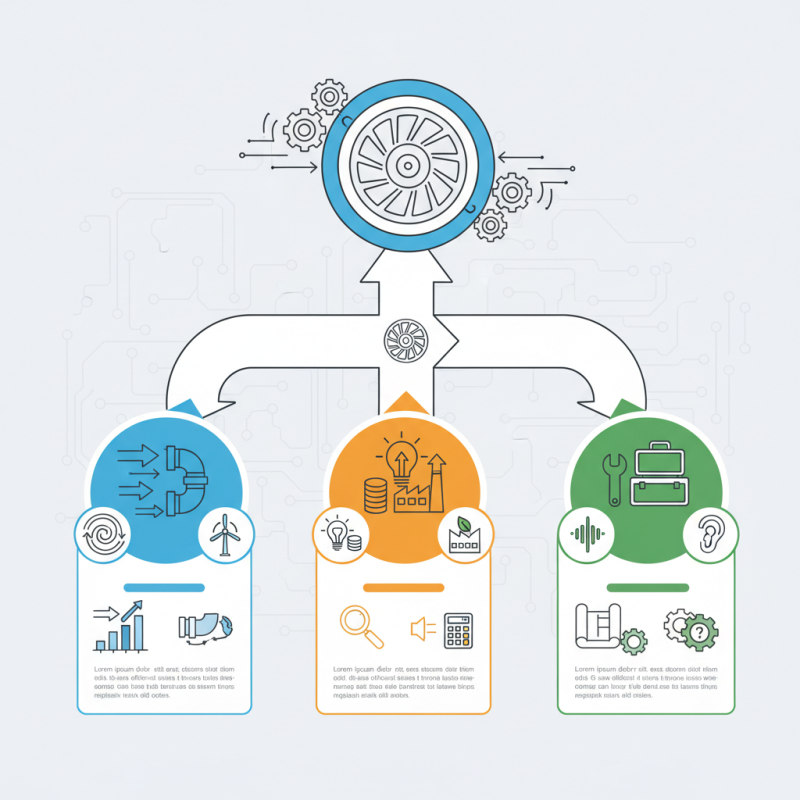
Understanding Centrifugal Fan Blower Basics and Their Applications
Centrifugal fan blowers play a crucial role in various applications. They are widely used in industrial settings for material handling, ventilation, and cooling. Understanding their functionality is essential for selecting the right one. A reliable centrifugal fan can operate efficiently in diverse environments.
In 2022, global demand for Centrifugal Fans reached approximately$6 billion USD, with an expected growth rate of 4% annually through 2030. Industries like HVAC, automotive, and manufacturing drive this demand. A centrifugal fan uses rotational energy to move air or gas, creating a pressure differential. This process is efficient for moving large volumes of air over distances.
When choosing a centrifugal fan blower, consider factors like airflow, static pressure, and efficiency ratings. It's important to assess your specific needs and environmental conditions. Miscalculating requirements can lead to energy waste or poor performance. For instance, a fan that is too large may create excessive noise and energy consumption. Balancing the right size and performance is vital for optimal functionality.
Key Specifications to Consider When Selecting a Centrifugal Fan Blower
When selecting a centrifugal fan blower, key specifications play a crucial role in ensuring optimal performance. Start by considering airflow requirements. This is typically measured in cubic feet per minute (CFM). Understanding your space and air movement needs helps in making the right choice.
Also, pay attention to static pressure. This measurement indicates how well the fan can move air against resistance. A higher static pressure rating may be necessary for ducts or filters that restrict airflow. Choosing a fan with adequate static pressure ensures efficiency and functionality in your setup.
Tips: Always assess the environment where the fan will operate. Noise levels are often overlooked but can impact comfort in living spaces. Check the fan's noise rating, especially for indoor use. It's also wise to evaluate energy efficiency. Look for fans designed to consume less power while delivering high performance. Balancing these specifications can improve both effectiveness and cost savings in the long run.
Evaluating Airflow and Pressure Requirements for Optimal Performance
When selecting a centrifugal fan blower, evaluating airflow and pressure requirements is crucial for optimal performance. Industry reports show that the efficiency of air movement directly correlates with the specific needs of your application. For instance, certain processes may require a higher static pressure, while others prioritize airflow volume. Balancing these requirements is essential for system effectiveness.
Consider how airflow is measured in cubic feet per minute (CFM) and static pressure in inches of water gauge (in wg). Data indicates that for maximum efficiency, fans should operate near their peak efficiency point. This often translates to finding the right size and type of fan for your space.
**Tip:** Before making a choice, calculate the required CFM and pressure for your specific environment. This helps avoid the common pitfall of over- or under-sizing, which can lead to poor performance.
Also, keep in mind noise levels generated by centrifugal fans. Reports suggest that noise can increase with higher speeds. Sometimes, quieter models are necessary for sensitive environments.
**Tip:** Always consult performance curves and test reports when selecting a fan. This ensures that it meets your operational needs while maintaining desired noise limits.
In ensuring optimal airflow and pressure balance, you can enhance overall system efficiency.
How to Choose the Best Centrifugal Fan Blower for Your Needs? - Evaluating Airflow and Pressure Requirements for Optimal Performance
| Model | Airflow (CFM) | Static Pressure (inches H2O) | Motor Power (HP) | Noise Level (dB) | Diameter (inches) |
| Model A | 1200 | 4.5 | 1.5 | 65 | 12 |
| Model B | 1500 | 5.0 | 2.0 | 70 | 14 |
| Model C | 1000 | 3.5 | 1.0 | 60 | 10 |
| Model D | 1800 | 6.0 | 2.5 | 72 | 16 |
| Model E | 1300 | 4.0 | 1.5 | 68 | 12 |
Material Selection and Durability Considerations in Fan Design
When selecting a centrifugal fan blower, material selection and durability are crucial factors. The material directly affects performance and lifespan. Common materials include steel, aluminum, and plastic. Each offers distinct advantages. Steel, for example, provides excellent strength and durability. However, it can be heavy and prone to rust if not treated properly. Plastic is lightweight and resistant to corrosion but may not withstand high temperatures.
Industry reports suggest that around 70% of fan failure results from inadequate material choice. A study from the American Fan Manufacturers Association highlights that proper material selection can enhance performance by up to 30%. This statistic emphasizes the need for careful consideration during the selection process.
**Tips:** Consider using corrosion-resistant coatings for metal fans. They can significantly extend life and reduce maintenance. Ensure the material chosen aligns with the operating environment. If high temperatures are expected, opt for specialized high-temp materials. Regularly inspect your fans for signs of wear. This proactive approach can save costs and time in the long run.
Comparative Analysis of Centrifugal Fan Blower Materials
This bar chart illustrates the durability scores of various materials typically used in the design of centrifugal fan blowers. As shown, stainless steel ranks the highest in durability, making it a preferred choice for demanding applications.
Assessing Energy Efficiency Ratings for Cost-Effective Operation
When choosing a centrifugal fan blower, energy efficiency is vital. High energy ratings mean lower operational costs. Look for blowers with a minimum efficiency rating. It can save you money on electricity bills over time. These ratings indicate how effectively the blower converts energy into airflow.
Tips: Always check for the EnergyStar label. This label ensures that the product meets high energy efficiency standards. You can also compare specifications on performance charts. Knowing the cubic feet per minute (CFM) needed is essential. This helps in selecting a blower that matches your space requirements.
Efficiency also depends on the blower's design. Scroll fans are known for quiet operation and steady airflow. However, they can be more expensive upfront. Consider your long-term needs against initial costs. Power consumption can differ across models, so research is key. A blower that suits your immediate needs may not be the best in the long run.
Tips: Use online calculators to estimate energy usage. This can guide you in making informed decisions. Explore user reviews for real-world performance insights. Balancing cost and efficiency takes time, but it's essential for effective operation.