How to Choose the Best Robotic Coffee Kiosk for Your Business?
In today's fast-paced business environment, the demand for efficiency and innovation is greater than ever. Robotic Coffee Kiosks are emerging as a smart solution for coffee retailers and service providers. A report by IBISWorld indicates that the coffee shop industry is expected to reach $45.4 billion in revenue by 2025. This growth is driven by consumer preferences for convenience and quality, making automated solutions increasingly appealing.
Selecting the right Robotic Coffee Kiosk can significantly impact your business's success. Various models offer different features like customization, payment options, and rapid service. According to a study from Statista, 60% of consumers prefer self-service kiosks for quick transactions. This trend highlights the opportunity to enhance customer experience while cutting labor costs.
However, choosing a robotic kiosk is not without challenges. Many businesses may overlook factors like location, maintenance, and user experience. Understanding these nuances is crucial, as the wrong choice can lead to operational issues. Ultimately, a well-informed decision can position you favorably in a competitive market.
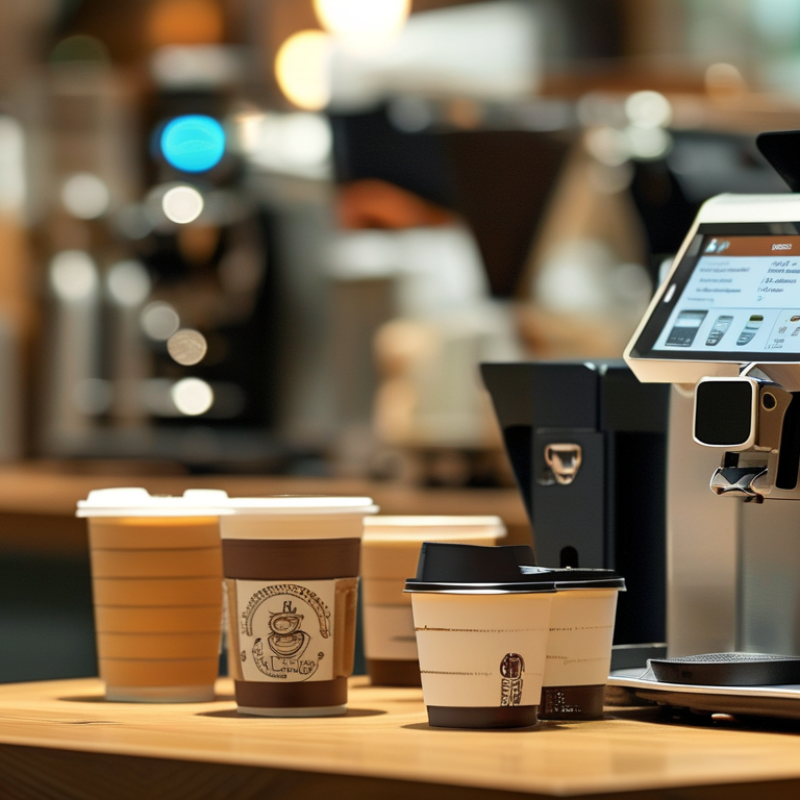
Understanding the Demand for Robotic Coffee Kiosks in Today's Market
The demand for robotic coffee kiosks is growing steadily in today's market. According to a recent study by the National Coffee Association, 62% of Americans drink coffee daily. This statistic highlights a robust market potential for automation in coffee preparation and distribution. Consumer preferences are shifting towards convenience and speed, driving businesses to consider this innovative solution.
Robotic kiosks can serve coffee at a fraction of the cost of traditional shops. Reports estimate that automated kiosks cost up to 40% less to operate. This cost-effectiveness attracts businesses aiming to minimize overhead while meeting customer expectations. Additionally, the kiosks can operate 24/7, satisfying the demand for quick service anytime.
However, there are challenges. Machines require regular maintenance and may face technical issues that could hinder service. Moreover, adapting to consumer tastes can be difficult for robots. Coffee preferences are subjective and changing. Businesses must consider these factors when investing in robotic kiosks. Balancing technology and the human touch in coffee brewing is essential for customer satisfaction.
Understanding the Demand for Robotic Coffee Kiosks
Evaluating Key Features of Robotic Coffee Kiosks for Optimal Performance
When selecting a robotic coffee kiosk, evaluating key features is crucial. Efficiency is a primary factor. Recent industry reports show that kiosks with advanced brewing technology can improve service speed by up to 30%. This speed allows businesses to serve more customers during peak hours, boosting overall revenue.
Another important aspect is customization. Customers today expect personalized experiences. Kiosks equipped with user-friendly interfaces can offer tailored drink options. Data indicates that stations with customizable menus see a 25% increase in customer satisfaction. The technology must also support various payment methods, accommodating diverse customer preferences.
Reliability is often overlooked. Mechanical malfunctions can lead to downtime, affecting sales. A study highlighted that kiosks operating at a 95% reliability rate significantly lower operational costs. However, potential users should remain aware of maintenance needs and troubleshooting processes. Investing in a robust service plan is wise. The right features can lead to enhanced performance, making the kiosk a valuable asset.
How to Choose the Best Robotic Coffee Kiosk for Your Business? - Evaluating Key Features of Robotic Coffee Kiosks for Optimal Performance
| Feature | Description | Importance | Rating (1-5) |
| Automated Brewing System | Ensures consistent quality and speed in coffee brewing. | High | 4 |
| User Interface | Intuitive touch screen for easy customer interaction. | Medium | 5 |
| Payment Options | Supports various payment methods including cashless. | High | 5 |
| Size and Footprint | Compact design suitable for different venues. | Medium | 4 |
| Maintenance Requirements | Ease of cleaning and refill of supplies. | High | 4 |
| Customization Options | Allows for personalized beverage choices. | Medium | 5 |
| Energy Efficiency | Low energy usage to reduce operating costs. | High | 4 |
Analyzing Cost vs. Return on Investment: A Key Metric in Kiosk Selection
When selecting a robotic coffee kiosk, analyzing cost versus return on investment (ROI) becomes crucial. A recent industry report indicated that businesses see an average ROI of 30-40% within the first year of operation. This metric is pivotal in understanding how the initial investment translates into profits over time. A high-quality kiosk typically ranges from $15,000 to $30,000. However, maintenance costs and potential downtimes should also be factored in to get a clear financial picture.
One tip is to consider your location and target audience. A kiosk placed in a high-traffic area may generate more sales, justifying a higher initial cost. Additionally, examining competitor pricing and services can provide insights into setting competitive rates. Some businesses report struggling with technological issues, leading to unexpected downtime. Regular maintenance can mitigate these risks.
Another point to reflect on is the scalability of your kiosk. Can it adapt to new coffee trends or consumer preferences? An adaptable system could offer better long-term returns. Investing in technology that allows for easy updates can keep your kiosk relevant and profitable over time. This analysis helps ensure that your choice not only meets current needs but also aligns with future growth.
Assessing the Impact of Location and Foot Traffic on Kiosk Success
The success of a robotic coffee kiosk heavily relies on location and foot traffic. A study from the National Coffee Association reveals that 79% of coffee consumption occurs in locations with high visibility and accessibility. Placing kiosks in busy areas, such as near office complexes or colleges, can significantly boost traffic. High foot traffic correlates with increased sales, making these areas essential.
Foot traffic analysis is vital. According to a report by IBISWorld, locations with over 1000 daily pedestrians see an average sales increase of up to 25%. Identifying peak hours can help in staffing and promotions. Some owners may overlook the importance of analytics. Relying solely on intuition can lead to underperformance.
Choosing a spot without adequate data may result in lost opportunities. Understanding local demographics is crucial. Engaging with the community can enhance visibility and encourage patronage. A kiosk in a vibrant area may thrive, but a poorly placed one can stagnate. Failing to adapt to local trends or foot traffic patterns can be detrimental. An agile approach to location strategies is key.
Reviewing Top Brands and Models in the Robotic Coffee Kiosk Industry
The robotic coffee kiosk market is witnessing significant growth. A recent industry report suggests a projected increase of 25% annually. This growth is driven by rising consumer preference for automated services. Businesses are now seeking efficient solutions to meet coffee demands without increasing labor costs.
In reviewing top brands, factors such as ease of use, maintenance costs, and coffee quality are crucial. Some models excel in speed, delivering fresh coffee in under 30 seconds. However, others fall short, failing to provide consistent taste. It’s essential to evaluate customer reviews and expert opinions, as they often reveal issues not highlighted in product brochures.
Another key consideration is technology integration. Some kiosks offer mobile app connectivity, allowing for advanced ordering features. Yet, not all products offer reliable software support, leading to operational hiccups. As businesses adopt these kiosks, understanding their limitations is as vital as acknowledging their benefits. Make informed choices by considering both industry reports and real-world user experiences.