How to Choose the Best Aluminum Clad Doors for Your Home Renovation
When embarking on a home renovation project, selecting the appropriate doors is crucial to enhancing both aesthetics and functionality. Among the various options available, aluminum clad doors have gained significant popularity due to their unique blend of durability and style. These doors consist of a core material—commonly wood—encased in a protective layer of aluminum, making them resistant to weather, pests, and wear while requiring minimal maintenance. This combination offers homeowners an attractive solution that harmonizes safety and elegance, making aluminum clad doors an ideal choice for any renovation.
In this guide, we will delve into the essential considerations when choosing aluminum clad doors for your home. Factors such as design options, energy efficiency, and insulation properties will be examined to help you make an informed decision. Moreover, understanding the differing levels of customization and installation requirements will empower you to select the perfect aluminum clad doors that not only complement your home’s style but also meet your practical needs. As we explore the various aspects of these doors, you will discover how to maximize the benefits of this innovative building material in your renovation journey.
Understanding Aluminum Clad Doors: Key Features and Benefits
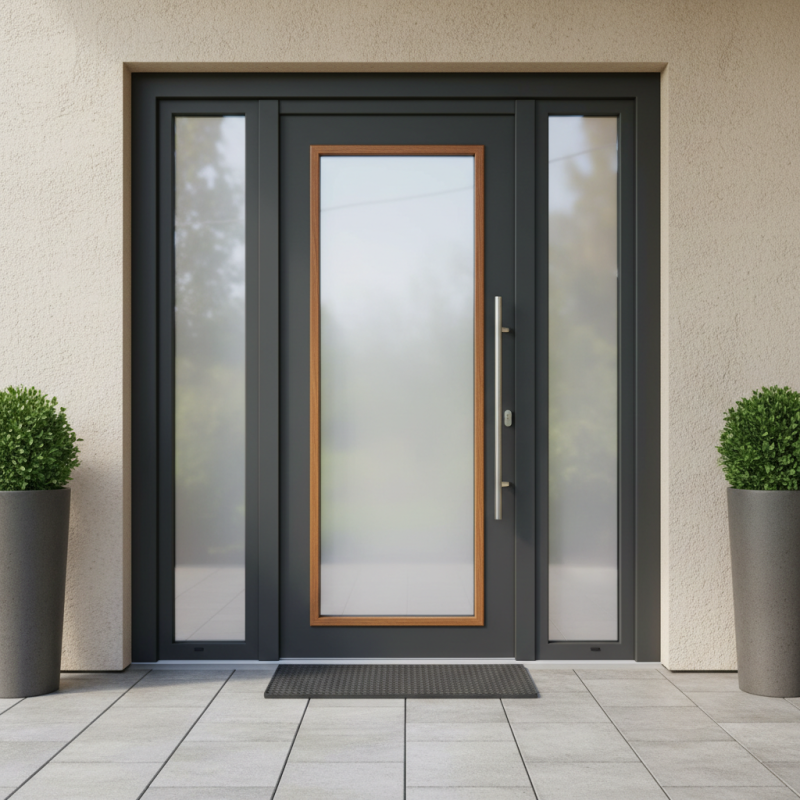
Aluminum clad doors offer a unique combination of durability and aesthetic appeal, making them a popular choice for many home renovations. One of the key features of these doors is their protective aluminum exterior, which shields the underlying wood from the elements. This provides an extra layer of resistance against moisture, decay, and insect damage, ensuring the longevity of the door while maintaining its structural integrity. The aluminum cladding can come in various colors and finishes, allowing homeowners to choose options that seamlessly blend with their overall design scheme.
Another significant benefit of aluminum clad doors is their energy efficiency. The wooden core contributes to excellent insulation properties, helping to regulate indoor temperatures and reduce energy consumption. Moreover, this type of door typically requires minimal maintenance; the exterior aluminum surface is easy to clean and does not require regular painting or staining. This practicality, combined with the aesthetic versatility that aluminum clad doors offer, makes them an intelligent investment for those looking to enhance their home while ensuring sustainability and durability.
Assessing the Design Aesthetics for Your Home’s Architecture
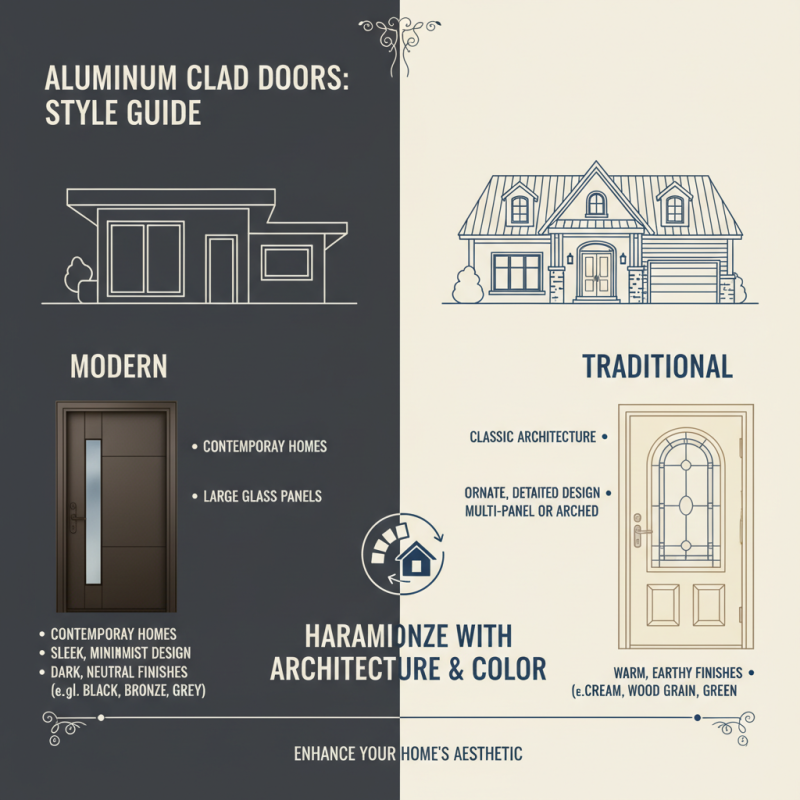
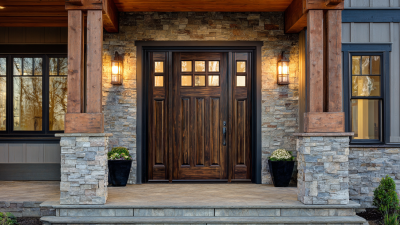
When selecting aluminum clad doors for your home renovation, it's essential to consider how they harmonize with your home's architectural style. Different designs, from contemporary to traditional, call for various door styles that will enhance the overall aesthetic. For example, sleek, minimalist aluminum doors suit modern homes, whereas more ornate, detailed designs complement classic architecture. The finish of the aluminum cladding can also play a significant role in achieving the right look; opting for a color that aligns with your existing palette can ensure that the doors blend seamlessly into the overall design.
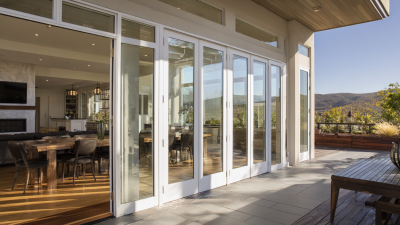
In addition to matching the exterior style, think about the impact the doors will have on the interior aesthetic. Aluminum clad doors often feature large glass panels that invite natural light, creating a bright and airy atmosphere indoors. Consider how the door’s design can frame views of the outside, allowing nature to become a part of your interior decor. Whether you're looking for a statement piece or a subtle enhancement, the alignment of your doors with both the internal and external architectural elements will create a cohesive and inviting environment for your home.
Evaluating Energy Efficiency Ratings of Aluminum Clad Doors
When selecting aluminum clad doors for your home renovation, understanding their energy efficiency ratings is crucial. The U-factor and Solar Heat Gain Coefficient (SHGC) are two fundamental metrics used to evaluate the thermal performance of doors. According to the U.S. Department of Energy, a lower U-factor indicates better insulation and reduced heat transfer, helping to maintain a comfortable indoor environment while minimizing energy costs. For example, doors with U-factors of 0.30 or lower are generally considered effective in energy conservation efforts.
Additionally, the SHGC specifically measures how much solar radiation is absorbed and transmitted through the door. The National Fenestration Rating Council (NFRC) recommends that homeowners look for doors with an SHGC rating of 0.25 to 0.35, depending on their climate zone. In warmer climates, a lower SHGC is preferable to reduce cooling costs, while in colder climates, a higher rating can be beneficial in harnessing solar heat during winter months.
By carefully evaluating these ratings, homeowners can choose aluminum clad doors that not only enhance the aesthetic appeal of their homes but also significantly contribute to energy savings over time.
Comparing Costs: Budgeting for Aluminum Clad Door Installation
When budgeting for aluminum clad door installation, it's essential to understand the various factors that contribute to overall costs. The initial purchase price of aluminum clad doors can vary widely based on design, size, and the specific features you choose. Standard sizes may be more affordable, but custom designs could significantly increase expenses. Additionally, the choice of glass options, such as low-E or double glazing, can add to the total cost but may provide benefits in terms of energy efficiency and insulation.
Beyond the doors themselves, installation costs are another critical aspect to consider. Professional installation is often recommended due to the complexity involved, and labor costs can fluctuate based on geographic location and the specific contractor’s rates. It's advisable to obtain multiple quotes and assess the reputation of the contractors to ensure you receive quality service. Moreover, don't forget to factor in potential additional expenses, such as removing old doors, making necessary frame adjustments, or enhancements for weatherproofing, which can further impact your budget. By taking a comprehensive approach to these cost considerations, you can plan effectively for your home renovation project.
Cost Comparison of Aluminum Clad Doors for Home Renovation
Choosing the Right Finish and Color for Your Aluminum Clad Doors
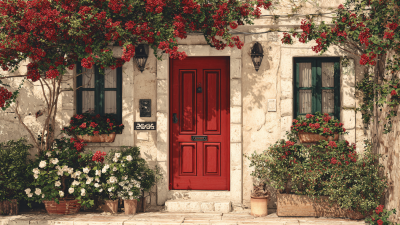
When selecting aluminum clad doors for your home, the finish and color play a crucial role in complementing your overall design aesthetic. Aluminum cladding offers the advantage of a durable exterior that can withstand various weather conditions while also providing a clean, modern look. It is essential to consider the architectural style of your home when choosing colors and finishes. For a classic look, neutral tones such as white, beige, or gray can enhance traditional designs. Conversely, bold colors like deep blue or rich green can make a statement and add personality to contemporary homes.
The finish you choose can also dramatically impact the visual appeal and maintenance of your doors. A matte finish offers a sleek, understated look that can hide fingerprints and smudges, making it a practical choice for busy households. On the other hand, a glossy finish can reflect more light, adding brightness to your space, but may require more frequent cleaning to maintain its sheen. Additionally, consider the color's fade resistance and durability, as these factors will ensure your aluminum clad doors continue to enhance your home's curb appeal for years to come. Ultimately, the right combination of finish and color will harmonize with your home’s exterior while reflecting your personal style.
How to Choose the Best Aluminum Clad Doors for Your Home Renovation - Choosing the Right Finish and Color for Your Aluminum Clad Doors
| Feature |
Description |
Color Options |
Finish Types |
| Durability |
Resistant to rust, corrosion, and weather damage. |
White, Black, Gray, Brown |
Smooth, Textured, Matte, Glossy |
| Energy Efficiency |
Helps in maintaining indoor temperature, reducing energy bills. |
Beige, Charcoal, Navy Blue, Green |
Anodized, Painted, Powder Coated |
| Maintenance |
Easy to clean and maintain with regular care. |
Red, Dark Green, Light Gray, Oil-Rubbed Bronze |
Textured Powder Coat, Baked Enamel, Polished |
| Aesthetic Appeal |
Enhances the appearance of your home exterior. |
Custom Colors Available |
Brushed, Satin, High Gloss |
| Cost |
Varies based on materials, finishes, and installation. |
Standard and Premium Options |
Standard Finish, Custom Finish Upcharge |