How to Choose Acoustic Metal Panels for Optimal Soundproofing?
In today’s fast-paced environments, the importance of soundproofing has become increasingly vital. Selecting the right materials is key, particularly when it comes to Acoustic Metal Panels. According to a recent study by the Acoustics Society, noise pollution can lead to significant physical and mental health issues, emphasizing the need for effective soundproofing solutions.
Expert in the field, Dr. Elena Hart, states, “Acoustic Metal Panels can greatly enhance a space's sound quality when chosen wisely.” These panels not only offer aesthetic appeal but also provide substantial noise reduction capabilities. The materials used in these panels significantly influence their effectiveness. Core density, thickness, and surface finish are crucial factors.
Yet, it’s essential to approach this choice with caution. Many users might overlook critical specifications that affect performance. Additionally, varying environmental factors can alter the expected outcomes. An informed decision on Acoustic Metal Panels, informed by expert advice and rigorous research, is crucial for achieving optimal soundproofing in any space.
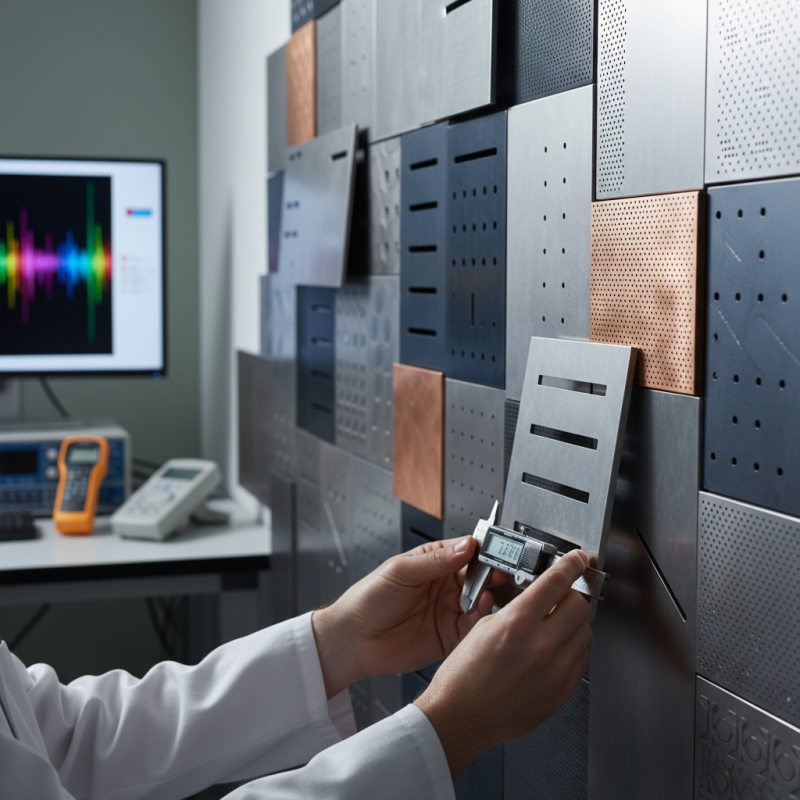
Understanding Acoustic Metal Panels and Their Benefits
Acoustic metal panels are gaining popularity for soundproofing solutions. They combine functionality with aesthetic appeal. These panels are made from materials that effectively absorb sound and reduce noise pollution. Their unique design allows them to blend seamlessly with various interior styles.
One of the primary benefits of acoustic metal panels is their durability. Unlike traditional soundproofing materials, these panels resist moisture and pests, making them a long-lasting option. Additionally, they are easy to clean and maintain, ensuring that they retain their appearance over time. However, selecting the right panel requires careful consideration.
Consider the specific environment where they will be installed. A music studio demands different characteristics than an office space. The panel thickness, density, and mounting method can all influence sound absorption. Installation might seem straightforward, but improper techniques can lead to disappointing results. This highlights the need for expertise in achieving the best outcome. Always seek reliable guidance before making choices.
Acoustic Metal Panels: Soundproofing Performance Comparison
Key Factors to Consider for Effective Soundproofing
When choosing acoustic metal panels for soundproofing, several key factors come into play. The panel's material composition significantly affects sound absorption. Thicker panels generally offer better soundproofing capabilities. Steel and aluminum are common choices, but they behave differently. Each type has its pros and cons. Understanding the composition helps in making an informed decision.
Another crucial aspect is the installation method. Proper sealing and mounting influence effectiveness. Gaps can undermine performance, allowing sound to escape. Some users overlook this detail, which can lead to disappointment. It's essential to assess the environment where the panels will be installed. Reflective surfaces may require additional treatments to improve sound quality.
Lastly, consider the panel's design and aesthetic appeal. Soundproofing doesn't have to compromise style. Many designs integrate seamlessly into various interior themes. However, balancing design and functionality can be tricky. Finding the right combination requires careful thought and sometimes compromises on both fronts.
Types of Acoustic Metal Panels and Their Applications
Acoustic metal panels come in various types, each with unique applications. One popular option is perforated metal panels. These panels have holes that allow sound waves to pass through while absorbing some of the noise. They are great for spaces like concert halls and recording studios, where sound quality is crucial. However, their effectiveness can vary based on the hole sizes and patterns used.
Another type is slotted metal panels. These panels are designed with vertical or horizontal slots that enhance sound absorption. They work well in auditoriums and open offices to minimize echoes. When considering these panels, installation is key. Improper placement can lead to reduced soundproofing, creating reflections that undermine performance.
Tips: Always assess the room’s specific acoustic needs before selecting panels. Consider testing samples in the intended space. Consult an acoustics expert if needed. Pay attention to how different materials react with your environment. Reflective surfaces may counteract sound absorption, leading to less-than-ideal results.
Installation Techniques to Maximize Soundproofing Efficiency
Acoustic metal panels can significantly enhance soundproofing in various environments. However, proper installation is crucial for maximizing their effectiveness. A poorly installed panel can create gaps, which allow sound to leak through, undermining your efforts.
When installing, ensure that panels are aligned correctly. Use acoustic sealant on the edges to fill gaps. This helps create a tight seal against sound transmission. Consider varying the placement of panels based on the room's acoustics. Different frequencies may require specific attention, making professional input valuable.
Tips: Always measure your space accurately before purchasing panels. Consider hiring professionals if you're unsure about the installation process. Review feedback from past installations to learn from common mistakes. Relying solely on DIY could lead to issues down the line.
Experiment with different layouts. Test for sound quality before sealing everything up. Sometimes, moving a panel just a few inches can significantly alter the sound experience. Be open to adjusting as needed to find what works best.
Maintenance Tips for Longevity of Acoustic Metal Panels
Acoustic metal panels can greatly enhance soundproofing in any space. However, to ensure their effectiveness, proper maintenance is crucial. Regular cleaning is essential. Dust and grime can accumulate and affect sound absorption. A simple damp cloth often suffices. Avoid abrasive materials that might scratch the surface.
Inspect the panels for any damage regularly. Sometimes, small dents can appear over time. These imperfections may not seem significant, yet they can affect performance. If you notice any changes, consider repairing or replacing them. Additionally, ensure that the panels are securely mounted, as loose installations may lead to sound leaks.
Consider environmental factors in your maintenance routine. Humidity can affect the structural integrity of metal panels. In moist areas, keeping the space well-ventilated is vital. Over time, you may notice signs of wear that require reflection. Are your panels still performing as expected? Staying proactive about maintenance can significantly extend their lifespan and functionality.