How to Choose the Best Aluminum Windows for Your Home?
Choosing the right aluminum windows for your home is a crucial decision. Renowned architect Linda McCarthy emphasizes, “Aluminum windows combine durability and aesthetic appeal.” It's essential to understand the features that suit your needs. Factors like energy efficiency, design, and maintenance can influence your choice significantly.
When exploring aluminum windows, consider their performance in different climates. Some variations are optimized for extreme heat, while others excel in cold regions. Durability is another vital aspect. Aluminum is resilient, but the quality of the finish matters. You want to avoid issues like fading or corrosion in the long term.
Make sure to assess your budget. While aluminum windows offer several advantages, higher-end options can be quite expensive. It's important to balance cost with quality and functionality. Reflect on whether the initial investment will pay off through energy savings and enhanced property value. Remember, this choice impacts not just aesthetics, but also comfort and efficiency in your home.
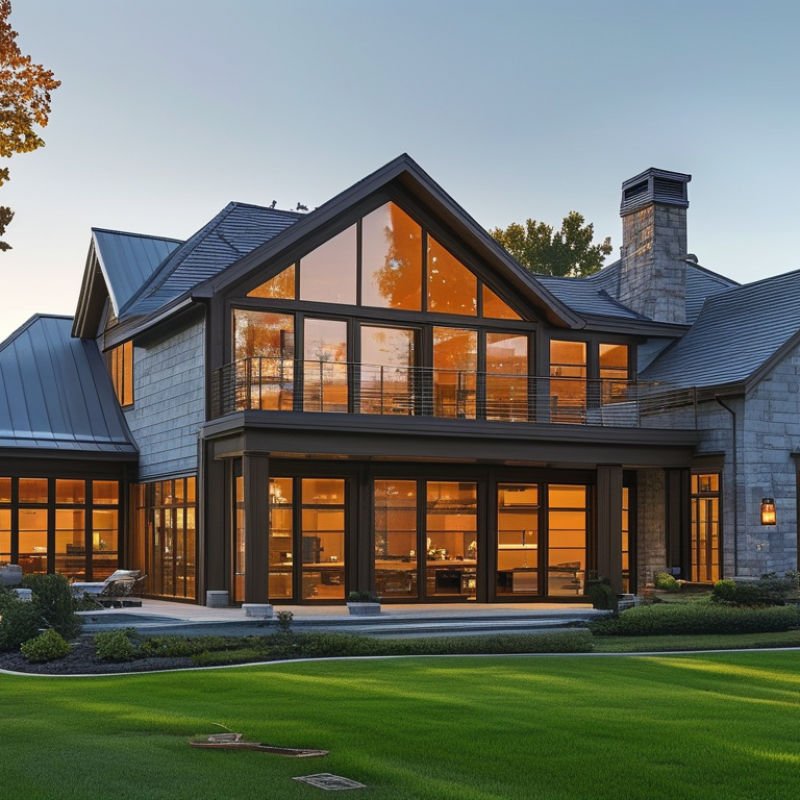
Understanding the Benefits of Aluminum Windows for Residential Use
Aluminum windows offer a range of benefits for residential use. They are lightweight yet durable, making them an excellent choice for various home designs. An essential advantage is their resistance to rust and corrosion, which often appears in other materials. This property ensures longevity and reduced maintenance efforts. Moreover, aluminum frames can be easily coated, allowing for creative customization to match your home's aesthetic.
When considering aluminum windows, think about thermal performance. Good insulation will save energy and keep your home comfortable. Look for windows with thermal breaks that improve energy efficiency. This design reduces heat transfer, maintaining a stable indoor environment.
Install ventilation features to enhance air circulation. This can improve indoor air quality, making your home healthier. Remember, not every aluminum window will provide the same benefits. It’s crucial to research and compare options thoroughly. Involve a professional to assess your home's specific needs. This step ensures you select a window that aligns with your preferences while enhancing your property's functionality.
Key Factors to Consider When Selecting Aluminum Windows
When selecting aluminum windows, several factors are crucial for ensuring you make the best choice.
Energy efficiency is one key consideration. According to the U.S. Department of Energy, energy-efficient windows can lower energy bills by 7-15%. Look for windows with a low U-factor, which measures heat transfer. A value below 0.30 is generally recommended for colder climates.
Durability is another essential aspect. Aluminum frames are known for their strength and resistance to the elements. However, not all aluminum windows are created equal. A report by the National Fenestration Rating Council highlights that thermally broken aluminum windows can significantly reduce heat loss. These windows contain a barrier that minimizes thermal transfer, enhancing comfort and efficiency.
Aesthetic appeal should not be overlooked either. Aluminum windows offer a modern look and can be customized in various finishes. However, poor color retention can be problematic. Some coatings fade quicker than expected. It's necessary to choose finishes that ensure long-term performance. Understanding these factors can guide you in making a choice that meets both practical and aesthetic needs for your home's windows.
Comparing Different Styles and Designs of Aluminum Windows
When choosing aluminum windows, it's essential to consider styles and designs that enhance your home's aesthetic. Aluminum windows come in various styles, such as casement, sliding, and fixed. Casement windows, for instance, offer excellent ventilation and an unobstructed view. They open outward and can be perfect for hard-to-reach areas. On the other hand, sliding windows provide a modern look. Their ease of operation makes them ideal for smaller spaces.
The design of aluminum windows also plays a significant role in energy efficiency. Double-glazed options minimize heat transfer. You might find some designs leaking air. It can be surprising how much this impacts your comfort. Choosing the right frame color is another detail to consider. Darker hues can absorb heat but may fade over time. Lighter colors are preferable for maintaining aesthetics, though they might require more frequent cleaning.
Aluminum windows can reflect your personality through customization. Different styles can either blend in or stand out against your home’s exterior. However, not all options are equally durable. Researching warranty information may provide insights into longevity and performance. It's wise to reevaluate your choices, keeping in mind both function and look. Balancing style and practicality will lead to a more satisfying decision in the long run.
Evaluating Energy Efficiency Ratings for Aluminum Windows
Choosing aluminum windows requires careful consideration of energy efficiency ratings. These ratings inform homeowners about a window's ability to prevent heat loss or gain. According to the U.S. Department of Energy, windows account for about 25% to 30% of residential heating and cooling energy use. Understanding the ratings can help save on energy bills.
When evaluating windows, look for the U-factor and solar heat gain coefficient. The U-factor measures heat transfer; lower numbers indicate better insulation. A U-factor of 0.30 or lower is ideal for most climates. The solar heat gain coefficient (SHGC) gauges solar radiation entering your home. An SHGC of 0.25 allows minimal heat, suitable for hot environments.
Understanding these ratings can be complex. Take time to read energy labels carefully. Consider your local climate when selecting the best options. Insulation and glazing can also greatly impact performance.
Assess overall thermal performance. Are the frames and seals tight? Do they complement the energy-efficient design of your home? Sometimes, even minor discrepancies can lead to significant energy loss. Be cautious and confirm the overall compatibility of materials used in installation.
Energy Efficiency Ratings of Aluminum Windows
This chart displays the energy efficiency ratings of aluminum windows based on three key metrics: U-Value, Solar Heat Gain Coefficient, and Visible Transmittance. These values help homeowners to evaluate the energy performance of aluminum windows for better energy conservation.
Installation and Maintenance Tips for Aluminum Windows
When installing aluminum windows, it's crucial to focus on precision. Measure your openings carefully to ensure a snug fit. Misalignments can lead to air leaks and reduced energy efficiency. Proper sealing around the frames is also essential. Use quality caulk to prevent water intrusion, which can cause long-term damage to your walls and foundation.
Routine maintenance plays a vital role in the longevity of aluminum windows. Clean the frames regularly with mild soap and water. Avoid abrasive cleaners that can scratch the surface. Check weatherstripping to make sure it’s intact and functioning. This small detail can significantly enhance insulation, keeping your home energy-efficient.
In some cases, the finish on aluminum windows may fade over time. It’s important to evaluate the condition of your windows periodically. If you notice signs of wear, consider applying a protective coating. This can help maintain their appearance and durability. Reflect on these details to ensure your aluminum windows remain an asset to your home.