2026 Top Pre Built Tiny Homes Trends for Global Buyers?
As the global housing market evolves, the trend of Pre Built Tiny Homes is gaining significant traction. Reports indicate that the tiny home industry has experienced a steady growth of 7% annually, with a projected market value reaching $20 billion by 2026. This growth reflects changing consumer preferences towards minimalism and affordability. Buyers are increasingly seeking these homes for their eco-friendly designs and efficient use of space.
The appeal of Pre Built Tiny Homes extends beyond mere size. They often provide essential features such as sustainable materials and energy-efficient systems. However, potential buyers should consider the challenges. Zoning regulations and land use can complicate ownership. Furthermore, psychological aspects of downsizing often require deep personal reflection. These factors can impact the overall satisfaction of owning a tiny home.
In 2026, global buyers will likely prioritize models with multifunctional spaces. This shift may help address growing concerns about urban housing scarcity. Yet, it is crucial to recognize that not every design works for every lifestyle. Balancing personal needs with the minimalist approach remains a key consideration for potential owners. As buyers navigate this trend, reflecting on individual goals will be vital to truly embracing the tiny living movement.
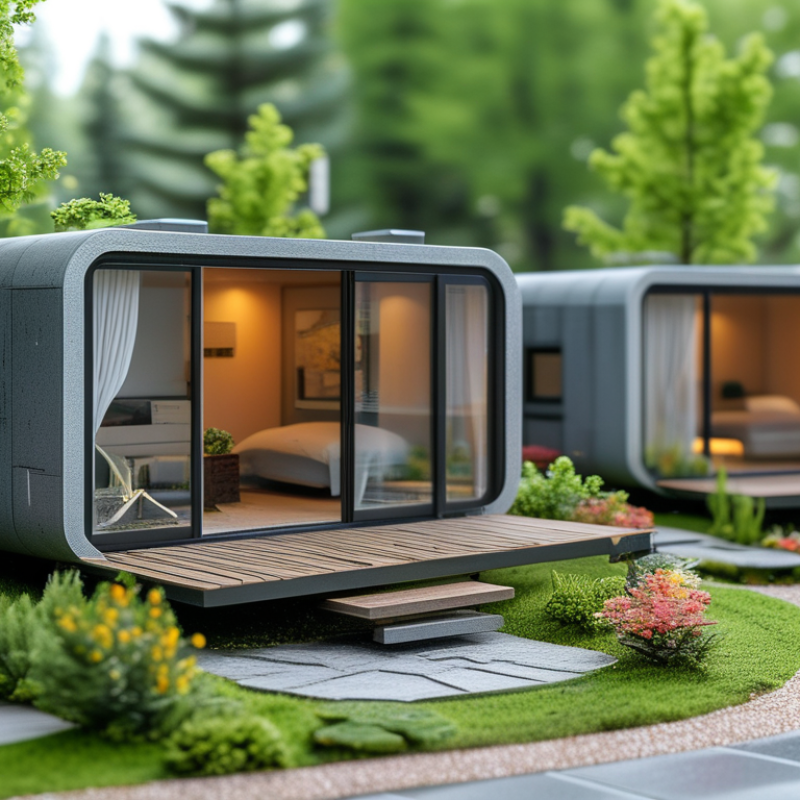
2026 Tiny Homes: Emerging Global Design Trends
The tiny home movement continues to grow, driven by a desire for sustainability and minimalist living. In 2026, new design trends are set to reshape tiny homes, making them more appealing to global buyers. One standout trend is the integration of natural materials. Many builders are opting for bamboo, reclaimed wood, and stone, which enhance aesthetics and environmental sustainability. This shift mirrors a broader push towards eco-friendliness, as more people seek homes that harmonize with nature.
Innovative layouts are also emerging, focusing on maximizing space without sacrificing comfort. Multi-functional furniture is key in these designs. For example, a sofa that transforms into a bed can save valuable room. Large windows are another focal point, inviting natural light and creating a sense of openness. However, some buyers may struggle with the idea of downsizing, finding it challenging to adapt to limited space. This emotional hurdle requires reflection on personal values and priorities.
Moreover, technology is playing an increasingly pivotal role. Smart home features are becoming common, allowing efficient energy use and enhanced security. Buyers can control everything from heating to lighting via their smartphones. Yet, this reliance on technology raises questions about privacy and data security. As these trends evolve, potential buyers must carefully consider their lifestyle needs and the implications of their choices.
Sustainable Materials: Eco-Friendly Choices for Tiny Homes
As the tiny home movement gains momentum, the choice of materials becomes crucial. Sustainable materials are at the forefront of this trend. Buyers increasingly seek eco-friendly options that minimize environmental impact. Reclaimed wood is popular; it adds character while reducing deforestation. Bamboo is another amazing choice; it grows quickly and absorbs carbon dioxide effectively.
The challenge lies in finding balance. While many aim for sustainability, not all materials labeled as eco-friendly are truly so. For instance, some low-VOC paints may still contain harmful substances. It's essential for buyers to research and vet materials thoroughly.
There is beauty in imperfection. Choosing recycled or upcycled materials often leads to unique aesthetics. However, this can sometimes result in compromises on durability or finish. This reflects the ongoing journey toward sustainability in tiny homes—a step in the right direction, yet still a work in progress.
Technological Innovations in Pre Built Tiny House Construction
In 2026, pre-built tiny homes are set to undergo significant changes due to technological innovations. Automation in the construction process is becoming commonplace. This provides precision and speed in building tiny homes, ensuring high-quality finishes. Advanced robotics help create modular components, reducing labor costs and construction time.
Sustainable materials are another vital trend. Many manufacturers are exploring eco-friendly options like recycled plastics and bamboo. These materials not only reduce environmental impact but also appeal to eco-conscious buyers. Smart home technology is increasingly integrated into tiny homes. Features like energy-efficient appliances and smart thermostats enhance living quality while minimizing energy consumption.
Despite these advancements, challenges remain. High upfront costs can deter potential buyers. Also, navigating zoning laws can complicate placements. It's essential for buyers to research regulations in their area. Understanding local laws ensures the tiny home can be legally occupied. Each innovation comes with its own set of hurdles that buyers must confront. These factors make the tiny home journey both exciting and daunting.
2026 Top Pre Built Tiny Homes Trends for Global Buyers
| Trend | Description | Technological Innovation | Sustainability Aspect |
| Smart Home Integration | Incorporating IoT devices for remote monitoring and control. | Smart thermostats, lighting, and security systems. | Energy-efficient devices reduce carbon footprint. |
| Eco-Friendly Materials | Using sustainable and recycled building materials. | Bamboo, reclaimed wood, and recycled steel. | Minimizes waste and promotes sustainability. |
| Energy Independence | Tiny homes equipped with solar panels and energy storage. | Solar photovoltaic systems and battery banks. | Reduces reliance on grid power. |
| Modular Designs | Flexible designs that can be customized and expanded. | Pre-fabrication technology for easier construction. | Efficient use of space and materials. |
| Vertical Living | Utilizing vertical space for living, working, and storage. | Compact furniture and modular shelving. | Maximizes functionality in small areas. |
Customization Options: Personalizing Your Tiny Living Space
The trend towards customization in tiny homes is reshaping how people approach small living spaces. According to industry reports, around 70% of tiny home buyers prioritize personalization options. This shift allows homeowners to create a unique environment that reflects their lifestyle and preferences. Features like modular furniture, green materials, and smart home technology are becoming commonplace. Buyers increasingly wish to tailor their spaces not just for aesthetics but for practicality.
Customization comes with challenges. Buyers often face a dilemma between design flexibility and budget constraints. The ideal tiny home must merge creative ideas with affordability. Small adjustments, such as adding a multi-functional countertop or partition walls, can significantly enhance usability. Yet, it's crucial to keep functionality a priority. Space is limited, and while stylish elements are appealing, they shouldn't compromise essential living needs.
Further, many tiny home enthusiasts report that the design process can induce stress and second-guessing. They wrestle with the fear of over-customizing and the fear that their choices might not stand the test of time. It's a delicate balance, finding what sparks joy today while ensuring it remains practical tomorrow. Thoughtful customization is key as homeowners aim to craft their sanctuary in compact living.
Global Market Insights: Popular Features Among International Buyers
The growing interest in pre-built tiny homes is reshaping the housing market globally. Many buyers prioritize eco-friendly features, showcasing their commitment to sustainability. Solar panels, rainwater collection systems, and energy-efficient appliances are now standard in many designs. Buyers are drawn to materials that are both durable and low in environmental impact. This shift is not just a trend; it represents a deeper value shift towards responsible living.
Flexibility in design remains a critical feature for international buyers. Customizable layouts allow individuals to adjust living spaces to fit their needs. Multi-functional furniture is becoming a popular choice, providing both utility and style. However, not all tiny homes can cater to unique tastes and preferences. Some designs may lack sufficient storage solutions, leading to frustration among residents. Buyers often need to carefully evaluate their choices to ensure functionality meets lifestyle needs.
Technology plays a vital role in attracting global buyers. Smart home features enhance convenience and security. Automation for lighting and heating system makes a difference in daily living. Yet, some buyers may find themselves overwhelmed by the complexity of these systems. Not every tiny home can seamlessly incorporate technology while maintaining a cozy atmosphere. Balancing modern conveniences with minimalism remains a challenge for many developers and buyers alike.